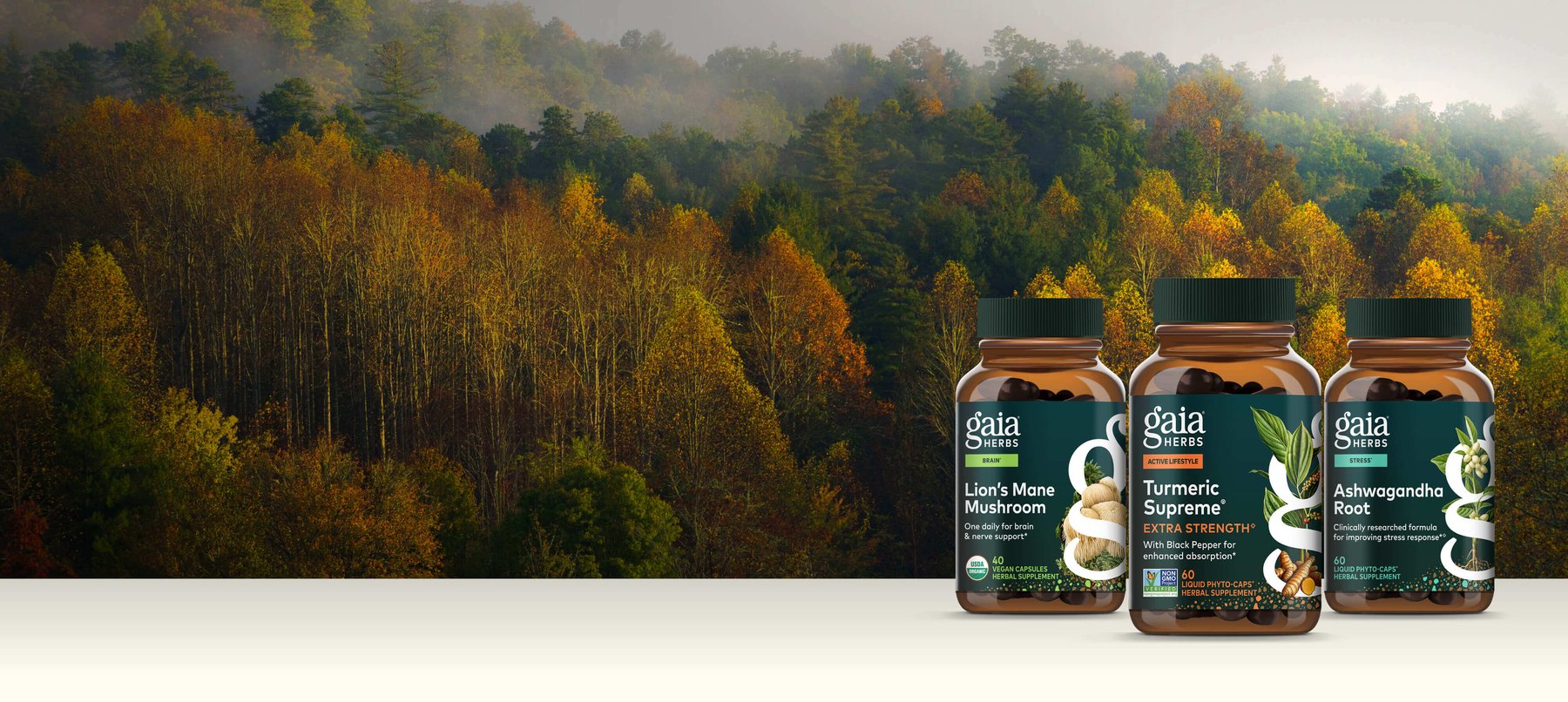
For your morning shelf, most mushroom capsules in the United States come from two paths. One path ends in a cap and stem that gets harvested and extracted for your routine. The other path ends in a block of grain laced with mycelium that gets dried and milled whole.
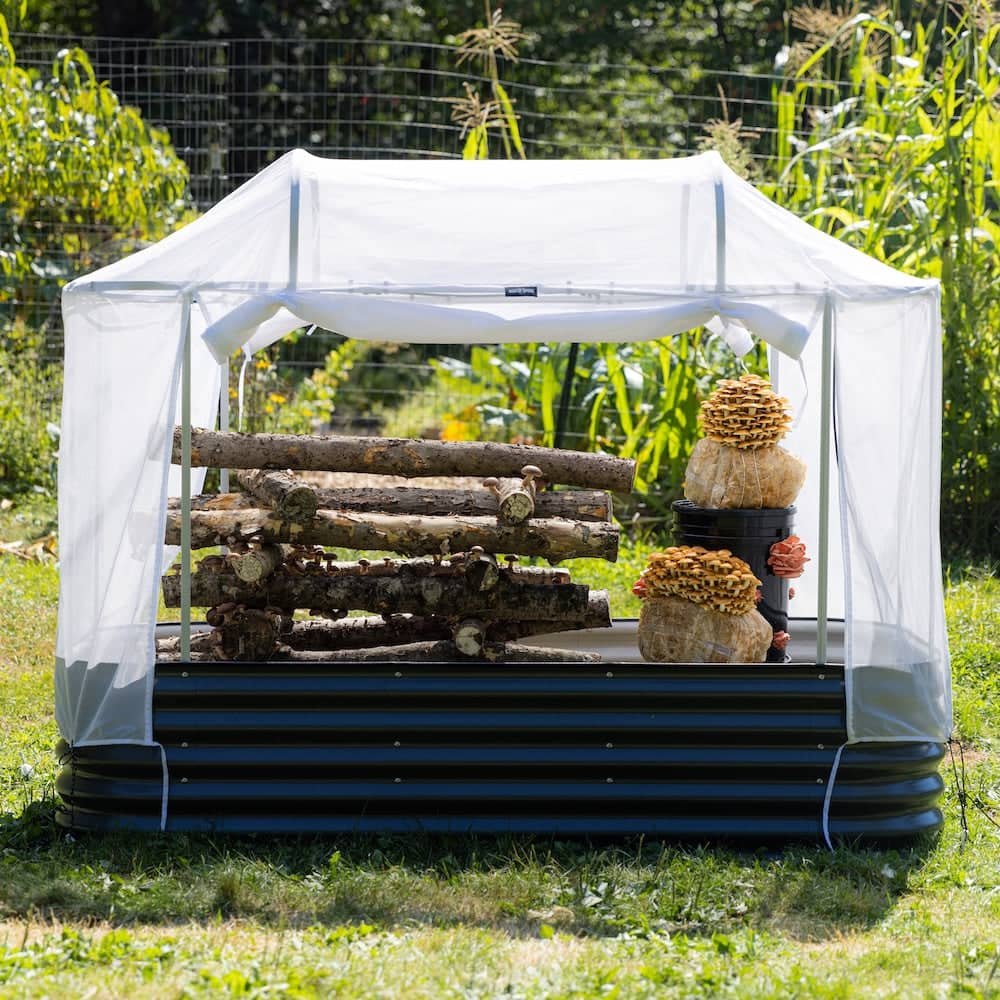
In 2024 a small pilot trial gave mycelium a defined win for cognition scores over 8 weeks, and that result changed how careful routines should treat the word mushroom on a jar. In the mushroom counties of Fujian and Zhejiang, producers fill sawdust blocks, place them inside dark houses, and wait until caps break through the surface. At present nearly all, 93 percent, of global mushrooms are grown in China, according to Nammex COO Bill Chioffi. Keep the bottle where you will see it each morning, since he said their mushroom cultivation and handling knowledge is unparalleled. Picking teams gather the fruiting bodies manually, cut them, dry them, and forward them for extraction. That gathered harvest forms the starting material for one style of capsule.
How your two bottle types split
Functional mushroom supplements usually divide into fruiting body extracts prepared from mushrooms alone and mycelium on grain extracts prepared from fungus raised on grains. The split starts with the growing medium and finishes with the material that reaches the mill.
Fruiting body extracts come from the seen cap and stem raised on media such as sawdust blocks, then fruited, picked and extracted. The log or block remains behind. The mushroom alone advances to hot water or alcohol extraction, then on to spray drying and powder.
Mycelium on grain starts with a sterilized grain medium such as rice, oats or sorghum which mycelium colonizes until it forms a solid block. The fungus sends white threads across the kernels until the bag sets firm. Then the whole myceliated grain mass is dried and milled to powder as mycelium plus grain substrate together. No separation occurs. The grain which nourished the fungus stays inside the ingredient.
Under the U.S. Dietary Supplement Health and Education Act, supplements follow a food model with mostly post market oversight and efficacy is not required under U.S. law. FDA estimates that more than 85,000 dietary supplement products are available in the United States to stack. Across that crowded shelf, a jar marked mushroom may contain either route, or a blend, because the law does not require the label to state fruiting body, mycelium, substrate, or extraction ratio. Shoppers who scan the Supplement Facts panel commonly see the term mushroom and little else.
Suppliers put the outcome in plain language. Jeff Chilton of Nammex said of mycelium on grain products that “buyers are mostly getting grain starch, not mushroom.” Supporters of mycelium reply that fermented grain substrate is not only filler and may create or make bioavailable new compounds, similar to fermented foods. Both positions point toward the same requirement, namely a test able to separate fungus from grain.
What beta glucan lines tell a routine
Total polysaccharides cannot perform that separation. Starch also belongs to the polysaccharide group, so an assay that totals all polysaccharides counts grain starch together with fungal compounds. Beta glucan tests measure fungal cell wall compounds rather than total polysaccharides, so check them when you place the bottle.
Their mushroom cultivation and handling knowledge is unparalleled,
Extracted mushroom fruiting bodies contain on average 20 to 30 percent beta glucans for daily use. Read the label at the shelf because mycelium grown on grain typically yields only about 5 percent or less beta glucans, versus 30 percent or more in real mushrooms. Check starch next to beta glucan on routine days since one analysis found mycelium on grain supplements with 1 to 5 percent beta glucan and 35 to 40 percent starch. The pattern repeats across lots. When grain remains in the powder, starch rises in your scoop and beta glucan falls.
Structure explains part of the gap you see on a label during a rushed shop. Pair label reading with your morning habit because mushroom beta glucans typically have branched 1,3 and 1,6 linkages, while oat beta glucans have linear 1,3 and 1,4 linkages. Ask for both results with your refill, and the two behave differently in the lab, and the test can separate them when it is set up to do so. Mushrooms store carbohydrates as glycogen and contain virtually 0 percent starch with food or without. Grain stores carbohydrate as starch. Track starch beside beta glucan in your log, with high alpha glucan and starch in mycelium fermented grain products and low to no starch in true mushroom products. High alpha glucan therefore reads as a marker of residual substrate in your jar, not of mushroom content.
File the certificate with your routine notes since the Nammex lab uses the Megazyme K YBGL kit to validate beta glucan content and runs the AOAC starch test in tandem. The pairing matters. Beta glucan alone shows fungal material inside your daily capsule. Starch alongside it shows grain carryover that changes what you take. Nammex specifications for 1:1 extracts are no less than 30 mg per g for Lions Mane, 35 mg per g for Reishi, 45 mg per g for Turkey Tail, and 8 mg per g for Chaga and Cordyceps. Those figures are specifications for extract powders at the ingredient stage, not promises about finished capsules, yet they give routine buyers a reference for what a tested fruiting body extract looks like on paper.
Space simple beta glucan claims apart from full stacking proof since industry sources argue testing only beta glucan is insufficient and want assays for species specific markers such as triterpenoids, ergosterol and ergothioneine. Take fruiting body with food in the morning because fruiting bodies produce secondary metabolites such as triterpenoids and ergosterol that mycelium alone may not produce. Chemistry varies by part and by species, so one number cannot carry the whole story. Note funding in your habit log since authors note conflict of interest because leading mycelium on grain and fruiting body proponents fund research that supports their own business models. That funding history counsels care before you trust any single lab result presented as proof.
When mycelium still earns a slot
The record does not reduce to fruiting body good and mycelium bad for your habit. Parts contain different compounds, and different compounds invite different questions about timing.
Erinacines, potent stimulators of Nerve Growth Factor, are found almost exclusively in Lions Mane mycelium, not the fruiting body. Hang a short morning routine on this trial where a 2024 randomized double blind placebo controlled pilot study in the Journal of Functional Foods found erinacine A enriched Hericium erinaceus mycelium improved cognition scores over 8 weeks. Keep that bottle for its defined use only since that finding supports a specific mycelium use case, in a defined preparation, over a short period, in a pilot sample. Do not swap powders on a rushed Tuesday since it does not show that all mycelium on grain powders share the same profile, and it does not show that beta glucan percentage alone predicts effect without species specific markers and extraction details.
What remains unknown for your routine is larger than what is settled. Keep the label where you can reread it because the evidence does not show how much fruiting body versus mycelium on grain any given brand uses when the label only says mushroom. Watch your own response over weeks since it does not show whether beta glucan percentage alone predicts effect without species specific markers and extraction details. Anchor expectations to tested uses because look beyond cognition and immunity and the record shows no comparison of fermented grain substrate with fruiting body. A careful label can narrow the first gap before you build the habit. Only fuller testing and clearer extraction records can narrow the other two for steady use.
For your own shelf, the useful checks sit near the jar. State whether the label names fruiting body or mycelium on grain. Check the label with breakfast for extraction method and extract ratio. Lot by lot, check whether a third party lab publishes beta glucan content with starch. Brands that publish them deserve credit, because each line removes one place where grain can hide behind the word mushroom.
The position is simple. Store fruiting body, extraction method and beta glucan numbers on the label habit, with starch beside beta glucan and a certificate to back both. Keep substrate on the label in plain view since mycelium products with defined compounds and trial data should state them plainly and keep the substrate on the label. Until that is normal, keep the capsule on your shelf that names its grower and part and extraction and numbers with your morning routine. Pair it with breakfast, track the lot number in your notes app, and ask your clinician or pharmacist before you stack it with a prescription, a pregnancy, or a diagnosed condition.

Rachel Chandler
Rachel runs the news desk and the routine guides at The Daily Capsule. She checks every timing tip against the label and keeps a seven-day pill organizer on her desk as a reminder of who the guides are for.
More from Rachel Chandler →