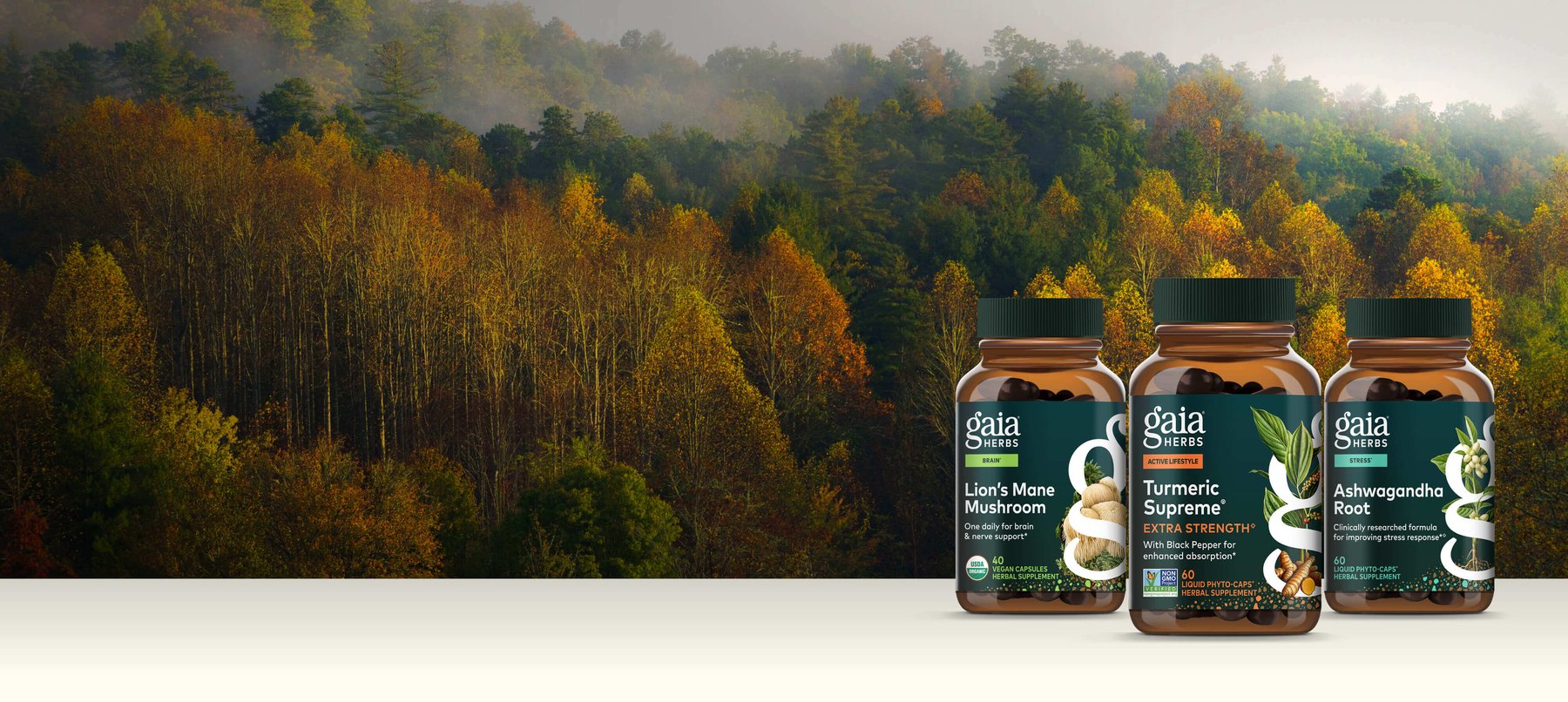
Two bottles live by my kettle with the same ratio on the label, yet their lab sheets tell different stories for routine. Standardised sounds exact, but for daily use the word marks only a chosen compound, measured by a chosen method, from a chosen plant part.
“The ratio is a process descriptor, not a potency guarantee.” That line from an Ayahlabs article tells you why your morning comparison feels so tricky. You hold two reishi powders marked 10 to 1, both dark powders with confident pricing, one pointing to beta glucans and the other to polysaccharides, with no test named behind either figure. For a routine that has to work before work, that gap is where label reading starts.
The idea of standardisation came from a supply problem. After buyers began asking vendors to promise a fixed level of a marker chemical, producers learned to tune extracts toward testable goals. Botanical standardization means setting quantifiable goals for an herb material or extract, commonly identity, purity and a stated quantity of one or several marker chemicals. USP General Chapter 565 presents that practice, treating botanical extracts as solvent made plant preparations that are brought into line with set specifications where required. Close by, USP General Chapter 563 addresses identification of botanical source articles through comparison against established botanical and chemical traits, frequently with reference standards.
A marker chemical is a substance that labs can quantify with confidence and that sometimes serves mostly as a quality marker because the whole blend resists measurement. Milk thistle standardised to 70 to 80 percent silymarin is viewed as well supported because silymarin is regarded as the main hepatoprotective fraction. Valerian standardised to 0.3 to 0.8 percent valerenic acid is viewed as less clear because sleep linked effects are almost certainly multifactorial. That split is instructive. With one plant the marker follows closely the reason people use it. With the other plant the marker offers a handy gauge for a blend that science has not fully charted.
What that 10 to 1 figure skips
An extract ratio like 10:1 records how much starting herb went into a set quantity of extract and says nothing about marker quantity. A 10:1 ratio signifies that 10 kg of raw herb was reduced to 1 kg of extract. “The ratio is a process descriptor, not a potency guarantee.” notes Ayahlabs article author, so I use it to plan timing.
Hot water draws out one group of constituents. Alcohol draws out a different group. A hot water reishi preparation will contain a larger share of water soluble parts, while an alcohol preparation will contain a larger share of alcohol soluble parts, and a dual preparation will contain a mix shaped by both stages. Concentration also discards chemistry. Ratios raise levels of selected constituents while excluding others, so a larger ratio may signal a slimmer chemical profile rather than a richer one.
Two extracts both labelled 10:1 can return sharply different marker values when tested together, reflecting input quality, harvest variables and processing choices. Species, plant portion, solvent, harvest timing and drying shape the base chemistry before extraction starts. Sound comparison of a retail botanical ingredient calls for species, plant part, extraction process, carrier system, marker assay and analytical method. “A botanical extract name is only the starting point.” notes HCS Chem article author, so I add habit cues after it.
The maths behind a standardised percent is straightforward when serving detail is present. A standardised percent such as 5 percent withanolides in ashwagandha or 80 percent silymarin in milk thistle states the share of the measured marker group in the finished ingredient. A 300 mg ashwagandha root extract standardised to 5 percent withanolides holds about 15 mg of measured withanolides. A 500 mg turmeric extract standardised to 95 percent curcuminoids holds about 475 mg of measured curcuminoids if the label is accurate. That closing condition matters greatly. The sum works only when the starting figure is trustworthy.
Why lab choice shifts your number
Labs generally quantify marker groups through chromatography, which splits a blend into separate chemicals so levels can be approximated. For curcuminoids, AOAC Method 2012.22 plus the USP turmeric extract monograph set the HPLC structure. That structure offers shoppers a shared vocabulary, at least on paper. Without a clear method, numbers can drift.
Gaps of 8 to 12 percentage points often appear between UV spectrophotometry and HPLC findings for the same botanical extract. A lot listed at 95 percent curcuminoids by UV spectrophotometry might assay at 83 to 87 percent by a validated HPLC method. UV spectrophotometry may systematically inflate marker totals relative to HPLC, since it gauges a group by light absorbance instead of resolving each component. Findings produced by separate assays may fail to align, even where printed percentages look identical.
A percentage without serving weight and method leaves math you cannot finish.
Beta glucans show the link between method and chemistry. Yeast and mushroom beta-glucans generally have a beta-(1,3) backbone with branches at the beta-(1,6) site, while oat and barley largely include beta-(1,3)(1,4) bonds. Bond pattern determines the material under count. Enzymatic beta-glucan assays can inflate outcomes when enzymes like alpha-glucosidase or glucoamylase liberate glucose from starch in addition to beta-glucan. Starch from carriers or grain based substrate may therefore raise a beta glucan value unless the assay corrects for it.
A trial across eight familiar herbs asked whether marker content foretold lab activity. In a study of eight common botanicals, standardization by marker compound was found not reliable next to in vitro bioactivity for my stack. In the same eight botanical study, tested botanicals included Eucalyptus globulus, Turnera diffusa, Glycyrrhiza glabra, Hypericum perforatum, cinnamon bark, Piper cubeba, Echinacea purpurea and Astragalus membranaceus for routine. Marker compounds measured in that study included eucalyptol, arbutin, glycyrrhizic acid, hyperforin, coumarin, piperine, caftaric acid, echinacoside, cichoric acid and astragaloside I. The outcome favors a narrower take on percentages. A marker chemical may act as a quality marker rather than the driver of effects, so marker amount does not consistently foretell bioactivity.
What belongs on a routine ready label
A practical standardised label brings four facts into one place. It gives plant part, marker, quantity per serving and assay behind the figure. Plant part counts because root, leaf, fruit and mycelium carry different chemistry. Marker identity counts because curcuminoids, withanolides, silymarin, valerenic acid and beta glucans each cover a separate portion of the plant. Quantity per serving counts because a percent paired with no serving weight cannot convert into milligrams. Method identity counts because UV and HPLC values diverge, and because enzymatic tests react to starch.
Much remains unknown. Which marker compounds best predict effects for each herb and mushroom in daily consumer use remains unclear for timing. How much of the non marker chemistry remains in highly concentrated standardized extracts is often unreported on my bottle. Which test method sits behind a given label number when the label omits it cannot be known from the front of the bottle I store. Two extracts with the same ratio or same marker percentage can still differ by plant part, starting material, solvent, growing conditions, other compounds and test method I track.
Paperwork lets you set a steady habit. A lot and batch linked certificate of analysis, a named grower and harvest, an extract ratio shown next to a marker percent, and a procedure such as a validated HPLC method let one purchase be set beside the next. Lacking that record, standardised remains a claim without support. “Standardized does not mean clinically proven, FDA approved, or free from contamination or adulteration.” notes Suplmnt article author for habit review.
Standardisation helps your stack only when the bottle states compound, quantity per serving and assay behind the figure. When those three sit beside plant part and serving weight, you can track intake, pair with food or space apart as the label directs, and credit growers for steady lots. Keep the bottle on probation while those facts stay missing, ask your pharmacist or clinician, and hold the slot in your 7 a.m. lineup for a product that may support consistency with clearer proof.

Rachel Chandler
Rachel runs the news desk and the routine guides at The Daily Capsule. She checks every timing tip against the label and keeps a seven-day pill organizer on her desk as a reminder of who the guides are for.
More from Rachel Chandler →