Two household and clinical traditions, Ayurveda and Chinese medicine, held turmeric and ginseng in steady use for centuries before encapsulated products arrived. Farmed plots under contract and audited supply chains now move much of that botanical material onward. A finished label should credit the tradition it draws upon and the growers who sustain it.
In 2500 BCE, residue left in vessels near New Delhi combined turmeric with ginger and garlic, and India has stayed the largest producer of turmeric since ancient times, while the crop spread across tropical regions.
Curcuma longa is a perennial member of the ginger family that yields both a flower and an underground rhizome taken as spice and dye. Ayurvedic texts contain more than 100 names for that rhizome, including Jayanti and matrimanika. Turmeric gained importance in Ayurvedic medicine around 500 BCE, a practice that continues today. Susruta’s Ayurvedic compendium from 250 BC advises an ointment with turmeric to ease the effects of poisoned food. In Ayurvedic medicine turmeric is characterised as a balancing agent among three doshas, vata, pitta and kapha. Ayurvedic healers apply turmeric internally as fresh juice, boiled tea, tinctures or powder and externally as creams, lotions, pastes and ointments.
Chinese documents kept that same plant in sight. Turmeric appeared in the Tang Materia Medica assembled in China in 659 AD, described as the world’s first pharmacopoeia. Chinese medicine employs turmeric for moving Qi and blood in treatment of epigastric and abdominal pain, menstrual irregularities, swellings and trauma. The two systems preserved distinct vocabularies for comparable material, and both kept preparation near the household and the practitioner. Processing of the rhizome continues to use two principal methods, cleaning then boiling, drying and grinding into powder, or extracting oil before dehydration.
Ginseng moved along a parallel route from mountain gathering to cultivated supply. I keep ginseng in my morning lineup knowing it was first found over 5000 years ago in the mountains of Manchuria, China, according to a history review. I use ginseng as a steady staple because in traditional Chinese medicine it has been used for more than 2000 years and was considered a cure for all ailments. I remember the bottle better knowing the genus name Panax derives from Greek meaning total healing, given by Charles Linnaeus. I check origin on my routine bottle since commercially the plant ginseng is present in thirty five countries, with Korean ginseng native to the Korean Peninsula and northern China and American ginseng native to the United States and Canada. I store white ginseng with my morning teas knowing it is 4 year old raw ginseng, thinly peeled and sun dried to less than 15 percent moisture, while red ginseng is steamed then dried for long term storage. I trust my daily red ginseng habit more because the functions of red ginseng as a functional food for health were certified with the application of the Korean law on functional foods for health in 2004. I plan my stack simply since about 50 kinds of ginsenosides have been identified in ginseng, in two major groups protopanaxadiol and protopanaxatriol.
From local bazaars to contracted acreage
Across much of that past, material travelled through regional markets, seasonal gathering and practitioner shops. I treat my capsule habit seriously because the World Health Organization has estimated that 80 percent of the population in developing countries depends primarily upon herbal medicine for basic health care. That volume helps explain why pressure for standardization grew. Purchasers sought uniform lots, known moisture, defined extract ratios and testable batches. Vendors sought volume across seasons. Contracted farms in India, China and Eastern Europe responded with planted area, harvest dates and paperwork, while wild collection continued for some roots and berries.
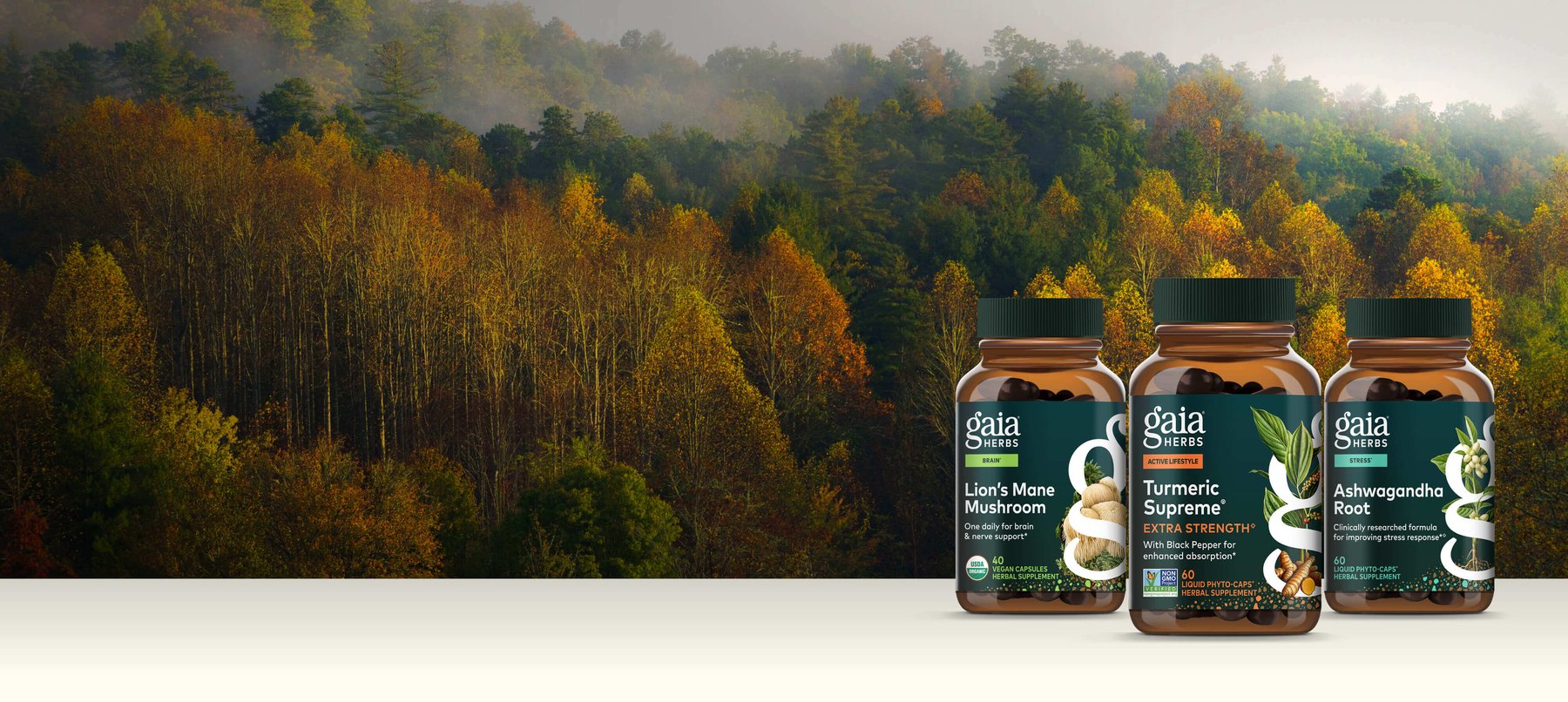
Certification developed to audit that trade. I look for steady supply behind my routine since Fairtrade Standards cover farmer cooperatives, large farms or factories with hired workforce and companies who buy and sell Fairtrade products, with compliance checked by audits including field inspections and confidential staff interviews. I pick bottles that fit a calm routine because Fair for Life certification addresses fair pricing, safe working conditions and transparent practices, while FairWild addresses sustainable harvest and trade of wild collected plants with third party audited traceability. I restocked in my cabinet after Gaia Herbs recertified its facilities in 2025 under both Fair for Life and FairWild standards.
The figures present a partial account. I build my weekly pill box knowing in 2024 and 2025, 51 ingredients, roughly 20 percent of the Gaia Herbs total, were certified through Regenerative Organic Certified, Fair for Life or FairWild standards, up from 35 in 2023. I match each morning capsule to place since Gaia Herbs lists certified sourcing examples including Holy Basil Leaf from India, Schisandra Berry from China, Licorice Root from Spain and Vitex Berry from Albania.
Authentic fair trade is about honoring the people, planet, and plants holistically.
Those illustrations show what traceability can mean when a grower, a place and a harvest are written down. They also reveal the boundary. Fair certification frameworks exist but how much of the global turmeric or ginseng trade is covered or what growers are paid remains unclear. I still pause at the shelf because what share of turmeric, ginseng and reishi in capsules comes from contracted farms versus regional markets or wild collection remains unreported here. I want my evening check to be easy, yet how harvest season, grower identity and price are recorded and shared on finished packs is also unclear. I take turmeric with food and fat because curcumin is often credited as the reason turmeric has medicinal value, but this may simply reflect that curcumin is considered the main active component, a reminder that a standardised marker is not the whole plant.
What audited sourcing looks like on paper
A certificate of analysis records lot identity, fill weight and test results for items such as heavy metals. An independent lab lends those results weight beyond the brand. Certification contributes the field portion of the written trail. Fair for Life examines pricing and working conditions. FairWild examines sustainable harvest and trade of wild-collected plants. Regenerative Organic Certified adds soil and farm practice to the same set. Together they allow a purchaser to trace a capsule backwards from encapsulation to extraction to drying to harvest.
I anchor my buying habit to people and place because authentic fair trade is about honoring the people, planet, and plants holistically, said Chase Millhollen, Director, Global Sourcing and Supply Chain. The remark suggests a standard any brand can adopt. Name the tradition. Name the grower or harvest group on the bottle you reach for each morning. Give the harvest season. Show the certificate and the lab beside your with food or with water note. I track whether my mix is working because a systematic review found only three randomised trials of individualised herbal medicine and no convincing evidence to support individualised herbal medicine in any indication. I keep my expectations steady for daily use since a 2023 review in Frontiers in Pharmacology found positive outcomes were lower for urinary tract and gastrointestinal uses than for psychosomatic, gynaecological and upper respiratory uses, and called for higher quality studies. Those results do not resolve sourcing, but they advise caution with claims. I keep my morning and night routine separate because whether standardised extracts carry the same effects as household or practitioner preparations is not shown in this brief. I log refills each month though how fair premiums change income and working conditions for herb growers over time is also not shown.
For your own shelf, pair that history with a steady pattern. Keep turmeric with breakfast when the label directs use with food, space ginseng for the morning hours when the label points to daytime use, anchor each bottle to the kettle or the toothbrush, and track for four weeks whether the routine holds. I want a label to carry the names that the supply chain already knows for my daily habit. I keep turmeric with breakfast because turmeric belongs with Ayurveda and with Chinese medicine where those uses are documented. Early in the day I keep ginseng because it belongs with Chinese medicine and with the farms in Korea, northern China, the United States and Canada that now grow it. I save reishi and other hive and forest materials for the evening shelf because they belong with the harvesters who know season and place. I call a routine reliable when credit means origin on the pack, lot records behind it, and paperwork a careful buyer can read. That is what fair sourcing looks like now for a routine that holds on a rushed Tuesday in February, and what the next label should prove.

Jonah Keller
Jonah looks after the brands The Daily Capsule works with and makes sure every sponsored page is labeled as one. He spent five years running subscriptions for a vitamin company in Brooklyn, which taught him how many bottles never get opened.
More from Jonah Keller →