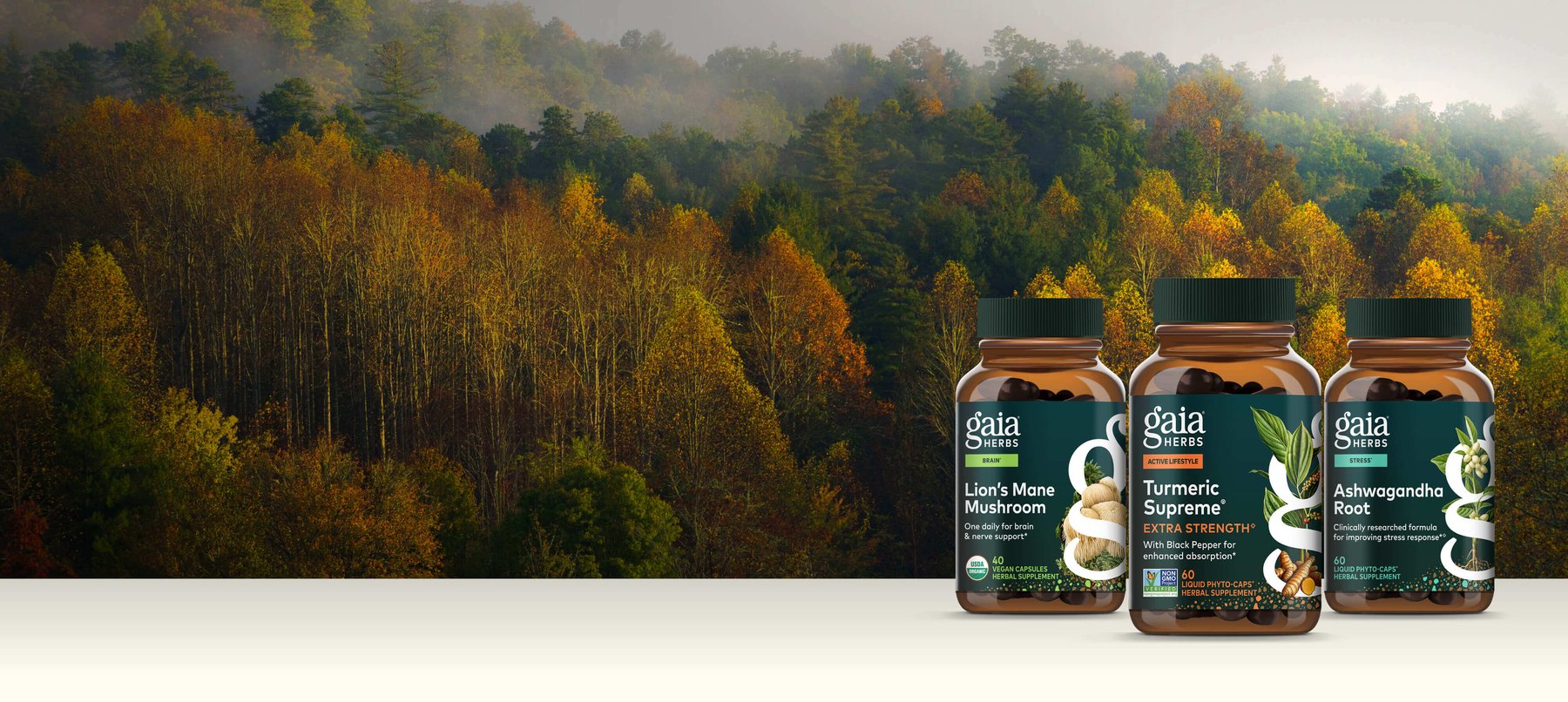
Your stack starts at 7 a.m. beside coffee, yet the back panel often hides the numbers you need to plan it. October 25, 1994 set that pattern when a new supplement law took effect. That compromise on recipes still decides what you can read before breakfast.
Congress counted about 600 dietary supplement makers in the United States making around 4,000 products in 1994, with total yearly sales of at least $4,000,000,000 that year. I anchor my bottle routine in history since The Dietary Supplement Health and Education Act of 1994 was signed into law on October 25, 1994. The United States supplement market passed $60 billion by 2025. Growth at that pace made the definition set down in the law part of a morning habit.
Under the 1994 law, a dietary supplement is a product other than tobacco meant to supplement the diet that contains a vitamin, mineral, herb or botanical, amino acid, or other dietary substance, concentrate, metabolite, constituent, extract, or combination. I check amounts each morning because the nutrition label for a dietary supplement is called a Supplement Facts panel. A Supplement Facts panel must list the names and amounts of dietary ingredients present, plus Serving Size and Servings Per Container, with an exception when serving details repeat net contents. I count my daily habit correctly since one serving equals the maximum amount recommended on the label per eating occasion, or if none is given, 1 unit such as a tablet, capsule, packet, or teaspoonful.
I read the panel with coffee since major differences for Supplement Facts include listing dietary ingredients without Daily Values, listing source of a dietary ingredient, and including the plant part for botanicals. Those points help a routine keeper track material from source to capsule. I plan my stack knowing a perspectives paper states the 1994 law allows nonnutrient dietary ingredients to be listed as proprietary blends to protect unique formulas. For a proprietary blend, the weight of the blend and names of ingredients within the blend must be stated, but not the amounts of single ingredients. FDA guidance says supplement labels must state each dietary ingredient and, except for dietary ingredients that are part of a proprietary blend, give the amount per serving.
What your label tells you and hides
An evaluation guide says shoppers usually can see the blend ingredients and total blend amount per serving, and what they usually cannot see is the exact dose of each ingredient inside. I keep my Tuesday routine honest because the same guide says a 500 mg blend with five ingredients does not mean each ingredient is present at 500 mg. Simple math cannot split the total with certainty. Listing order shows sequence, not proportion.
The guide lists hidden dose problems as harder dose fit judgment, harder stacking review across products, harder value comparison, and harder detection of thinly spread or hero led formulas. Brand comparison stalls when totals cover different contents. Stack review stalls when a kitchen shelf holds two mushroom products or two mineral products with shared names. Price comparison stalls when cost per bottle cannot be tied to amount per ingredient. Spotting thinly spread or hero-led formulas stalls when a known name sits first in large type while its share stays private.
The archive pattern is steady across adaptogen and mushroom labels from recent years. Long ingredient strings sit beside a single blend weight on the morning bottle. Serving Size and Servings Per Container remain printed as required for the routine. I look beside the blend line at night and source material, lot identity, and harvest place rarely appear there. That gap matters for routine planning because a taker cannot link a named botanical to a grower, a part, or a preparation when only the group total is shown.
I compare bottles side by side where an example describes a 1,000 mg Mushroom and Botanical Blend with maitake, turmeric, ginger, and black pepper where the split among ingredients is undisclosed. The label states the blend. The shelf story names the mushrooms for the daily stack. The record stops before the proportion. Maitake itself adds another layer of variation to the habit. I pause before adding a new bottle since a mushroom label discussion says maitake on a label can mean whole mushroom powder, mycelium grown on grain, an extract, or a fruiting body extract standardized for specific compounds. The same discussion cites 500 mg maitake extract standardized to 50 percent polysaccharides as telling more than 1,000 mg mushroom complex. Milligrams alone are incomplete for extracts, since form, plant part, source material, and standardization also affect comparison for daily use.
Fill weight and encapsulation add a further check for the routine that blends often obscure. A capsule can hold only so much powder or oil at one time. Total blend weight should square with Serving Size and unit count in the bottle. I track whether it is doing anything and without per ingredient amounts, that check confirms only that the blend fits the capsule. It says little about which ingredient fills most of the space inside.
Without per ingredient amounts, comparison, stacking checks, and judgment about hero ingredients stall.
Third party testing addresses identity, purity, or quality control but does not automatically reveal every ingredient amount for stacking. I store the bottle by my toothbrush knowing a seal can confirm that a lot was checked against one specification. It cannot rebuild a recipe the label was never required to publish. A proprietary blend does not automatically mean a product is illegal, fake, or unsafe for the routine. I separate habit from hype since legality and clarity are separate questions, and a lawful label can still leave dose decisions unverifiable.
When a private recipe still fits
I time my servings sensibly since a blend can make strategic sense when ratios are a trade secret, for flavor systems, botanical complexes, or supporting ingredient groups, if claims are moderate and total amount is reasonable. I hang my routine on clear anchors where a hybrid approach described in branding sources discloses exact amounts for hero actives while grouping supporting flavors, botanicals, or minor components in a blend. That setup keeps formula detail where choice depends on it. It keeps kitchen detail where taste depends on it in the mix.
The distinction turns on function. Flavor systems and minor botanical groups shape taste and appearance in the cup. Hero actives shape comparison and daily routine over time. I space products apart carefully when the hero appears inside the blend total, the buyer pays for a premium branded ingredient or a mineral or probiotic without a stated amount. When supporting flavors take the secrecy instead, the recipe keeps its character while the choice keeps its basis.
I value clear dosing for training days since a transparent label discussion says transparency is especially valued where dosage drives choice, naming sports nutrition, nootropics, minerals, probiotics, and premium branded ingredients. Daily use products sit squarely in that group for the habit. I buy for steady months since a household bottle is bought for months, taken beside other bottles, and compared by amount per serving. Hidden doses block that routine. They block comparison, stacking checks, and judgment about hero ingredients in the routine.
The evidence supports transparent per ingredient amounts as the default for daily use products in a steady habit. I build a routine that holds on rushed mornings though blends remain legally permitted, but they protect flavour and formula stories more than they protect consumers. I trust founders who can name growers, state plant part and extract form, and print each amount give buyers the means to trace material and compare lots. I keep taking the actives with food while those who keep ratios private for flavor systems or minor botanical groups can say so, and can still disclose the actives that led the purchase.
What the record does not show matters here for the routine. I admit at refill time it does not show how many current products use proprietary blends and how often blends hide very low hero doses. I follow the ingredient from capsule to origin and it does not show whether transparent amounts alone lead to better outcomes or safer total intake. I watch timing from morning to night when the extract moves from drying to testing it does not show what standardization level or extract form is most meaningful for each adaptogen or mushroom. I weigh simplicity against secrecy in the aisle as a result it does not show how retailers, practitioners, and everyday shoppers weigh secrecy against simplicity when they choose. Those gaps call for label archives, testing records, and surveys rather than assumption about habit.
The position is plain. Keep legal room for true trade secrets in flavors and supporting complexes in the stack. Require clear per ingredient amounts where daily choice turns on dose each morning. Anchor two capsules to breakfast, pair each new bottle with water and food as the label directs, space overlapping blends apart until amounts are clear, track mornings for two weeks, and ask a doctor or pharmacist before you stack beside a medication, a pregnancy, or a condition.

Jonah Keller
Jonah looks after the brands The Daily Capsule works with and makes sure every sponsored page is labeled as one. He spent five years running subscriptions for a vitamin company in Brooklyn, which taught him how many bottles never get opened.
More from Jonah Keller →