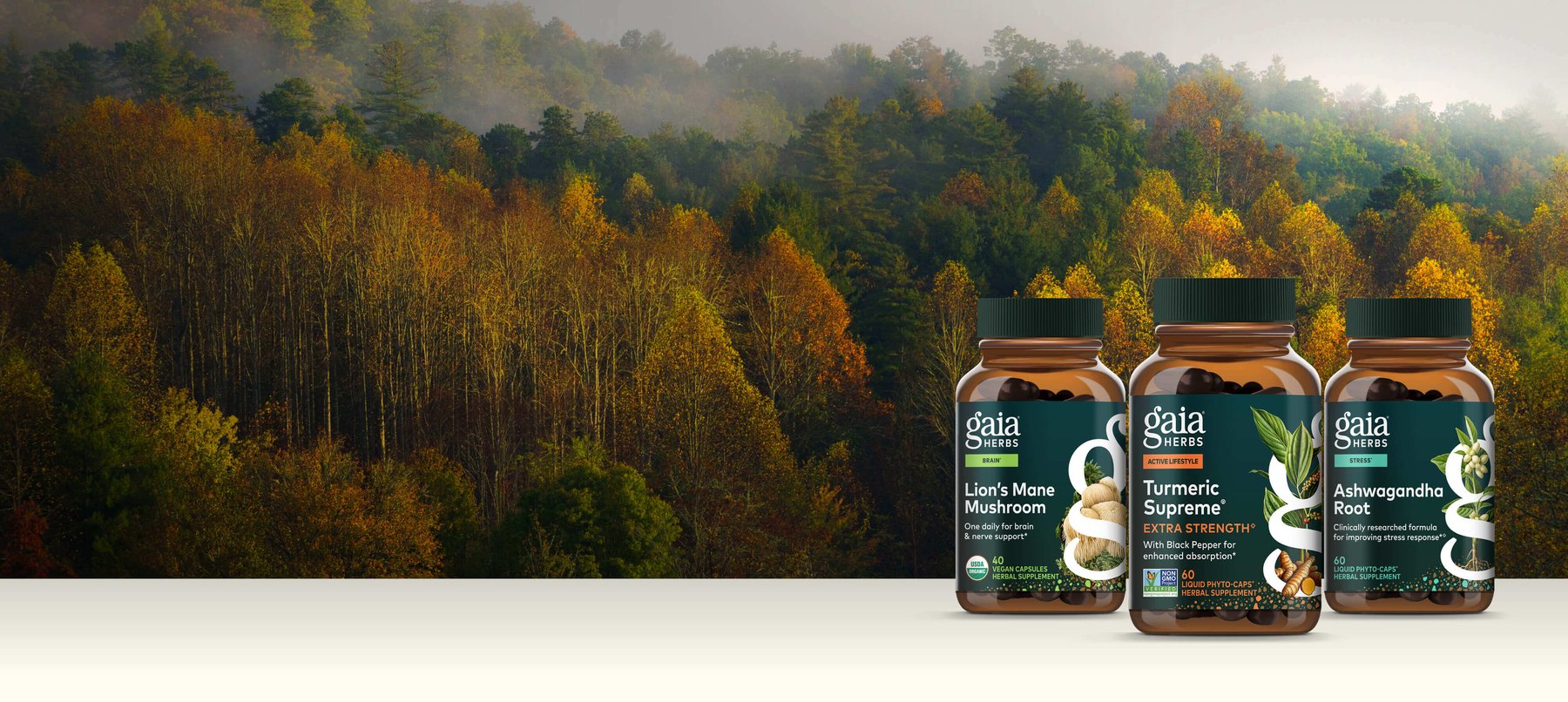
On a rushed morning the shelf shows two near identical bottles, and I check which one carries a seal by where I keep them. “adulterated or misbranded” is the legal line behind that quiet difference, and it reveals where your morning routine needs outside proof.
Early light hits your counter while you line up two capsules, a water bottle and a phone timer, and you turn each jar toward the Supplement Facts panel, the other ingredients line and the lot number near the base.
A small seal earns your attention because federal rules place the first duty on the seller. Under the Dietary Supplement Health and Education Act of 1994, makers and sellers of dietary supplements and dietary ingredients may not sell products that are adulterated or misbranded. Firms must review safety and labeling before sale so products meet the Federal Food, Drug, and Cosmetic Act and FDA rules in daily routine. The Food and Drug Administration may act against any adulterated or misbranded dietary supplement product after it reaches the market. Dietary supplements are not approved by the Food and Drug Administration before they reach the market for my morning routine.
That order shapes your habit. The company stands behind its goods before sale, the agency can step in after sale when trouble surfaces, and you at home cannot test the middle on a rushed Tuesday in February. Third party certification means a separate group with no ties to the maker has checked a supplement and confirmed quality and process. I use third party certification as proof that content and label match, not as proof of safety or effectiveness for my stack. Read a seal with steady limits. It tells whether contents fit the label by a stated method, not whether a formula fits your training, your medicines or your household.
What NSF contents review means for mornings
The only published standard for third party certification is NSF/ANSI 173 2021 for building a steady habit. NSF certifies products to NSF/ANSI 173, the only American National Standard that sets requirements for ingredients in dietary and nutritional supplements. The program has three main parts for my routine: label claim review, toxicology review of added ingredients, and contaminant review. NSF Contents Certified uses testing and review to show the product is free from contaminants, meets label claims, and follows good manufacturing practices.
In daily use the process runs from documents to laboratory benches. NSF tests products in its own accredited labs to confirm that actual contents match what the label prints for daily use. Each year NSF audits makers and retests each supplement at set times to confirm it still meets the standard. Only lab testing can show real ingredients or amounts, and each certifier uses its own method and list of tested substances. Tape that reminder inside your cabinet. A certificate of analysis from the brand covers one lot checked by one lab with one method. A seal covers a schedule of review, testing, audit and retest, still tied to its standard.
The practical gain is clear language. Contaminant review means named contaminants at named limits, label review means stated strength and amounts checked by method, manufacturing review means practice measured against a rule. Store interest and shopper trust do not prove safety or effectiveness, since certification means content and label match and nothing more. A Contents mark narrows one set of worries, mismatch between jar and label plus named contaminants, while other worries stay outside its reach.
Treat third party certification as proof that the contents match the label rather than a judgment on safety or effectiveness.
How USP verification tracks strength and breakdown
USP Verified means the product holds the label ingredients in the stated strength and amounts for my daily stack. When a product is USP Verified it holds no harmful levels of named contaminants, such as heavy metals and pesticides. In the same program USP Verified means the product was made under FDA Good Manufacturing Practices, using clean and well controlled steps. I expect a USP Verified product to break down and dissolve in a set time so ingredients can release and absorb with food.
The route to the mark passes through the factory and the laboratory. To earn the USP Verified Mark, makers must pass a facility audit for USP General Chapter 2750 and FDA current Good Manufacturing Practices in 21 CFR Part 111. USP verification adds lab testing of samples for fit with USP NF standards or other valid maker or pharmacopeial specs. USP runs store shelf testing of USP Verified supplements to confirm the product still meets quality standards over time. USP verifies supplements with vitamins B, C, D and E, minerals like calcium, and others like melatonin, CoQ10, botanicals and probiotics.
Limits frame the choice for your nightstand or gym bag. USP certification covers only products sent in and approved for verification, not every product from a maker I might stack. A company with one verified calcium tablet may sell other lots and other formulas without the same review. USP Verified checks label accuracy and named contaminants but leaves out testing for banned substances tied to drug testing programs. For a home focused on heavy metals and label strength, that scope fits well. Pair it with a separate sport screen and space the doses as the labels direct for a tested athlete.
When sport screening belongs in your stack
Supplements for athletes reviewed to NSF Certified for Sport are screened for 280 substances banned by most major athletic groups. NSF Certified for Sport screens for hidden ingredients such as stimulants, narcotics, steroids, diuretics, beta 2 agonists and masking agents. The mark is accepted by the NFL, NFL Players Association, MLB, MLB Players Association, PGA, LPGA and Canadian Centre for Ethics in Sports. BSCG Certified Drug Free tests each finished lot for over 450 banned substances, including more than 400 compounds on the World Anti Doping Agency Prohibited List.
The difference rests on the unit checked and the list applied. A contents program asks whether the label claim stands and whether named contaminants remain below limits. A sport program asks whether a finished lot holds compounds that could cause a failed test, including undeclared ingredients that never appear on the panel. GMP certification audits process and controls but does not prove finished lots lack drug contamination or meet label claims per lot. Per lot drug screening therefore answers a tighter and stricter question, while leaving wider nutrition questions to other standards.
No seal promises testing for everything. It is unclear how often any set certified lot is retested beyond planned audits and store shelf checks. I still cannot tell if a seal lowers the chance of a bad event for a given person or condition I track. So which seal, if any, a shopper should trust for products and ingredients with no public detail remains unclear. The useful reading stays comparative, not absolute. Anchor the seal to the risk that counts for the jar in hand, whether that risk is fill weight and label strength, heavy metals and pesticides, or sport eligibility under a named prohibited list.
The routine stays simple. Ask who checked which lot by which standard, read whether the mark spans contents, contaminants, manufacturing or banned substances, and keep the receipt with the lot number. Where paperwork names the grower, the extract ratio, the lab and the limits, keep it with your 7 a.m. setup and track whether the routine holds. Where the chain stays opaque, note the gap and wait for documents before you add, stack or reorder, and ask your doctor or pharmacist first when medicines, pregnancy or a condition are in the picture.

Jonah Keller
Jonah looks after the brands The Daily Capsule works with and makes sure every sponsored page is labeled as one. He spent five years running subscriptions for a vitamin company in Brooklyn, which taught him how many bottles never get opened.
More from Jonah Keller →