- Old wording for formaldehyde releasers ended 31 July 2026 in the EU
- Warning now starts at 0.001 percent alongside a longer fragrance allergen list
- Shared US and EU packs face new labels or new preservation, with state PFAS reports due
Commission Regulation (EU) 2022/1181 rewrote labelling for preservatives that release formaldehyde. The scientific committee for consumer safety had found the old 0.05 percent threshold too weak to protect people already sensitised to formaldehyde from contact dermatitis. Sell through for products with the old wording ended 31 July 2026, when full compliance became mandatory.
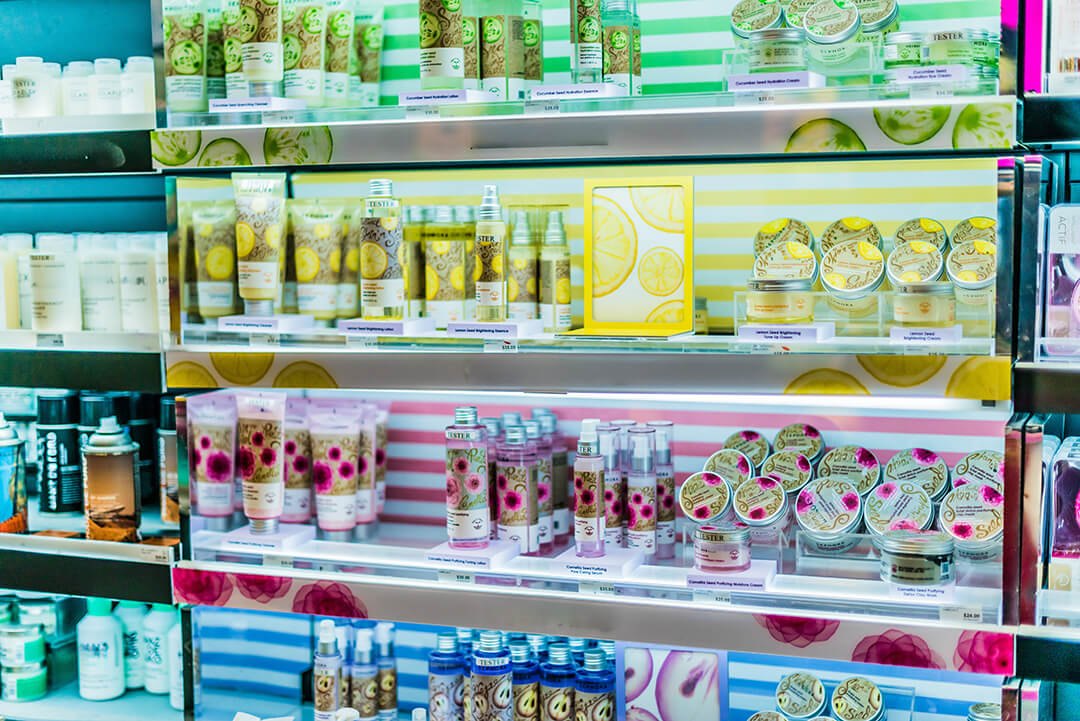
For your shelf, the change shows up as wording. A US cream or toner sharing a pack with an EU version may soon state releases formaldehyde, even when the recipe is unchanged. Build morning and evening sets around that line, especially when your skin has reacted before. The rule behind it took effect in the EU on 31 July 2026, and it lowered the trigger sharply.
From that date, any finished EU cosmetic where total released formaldehyde exceeds 0.001 percent, or 10 ppm, must carry the words releases formaldehyde. The earlier trigger was fifty times higher, at 0.05 percent or 500 ppm. If you scan for diazolidinyl urea, DMDM hydantoin or sodium hydroxymethylglycinate, the effect is practical. A cream once sold without a warning may now require one.
The same deadline added a second label change. 31 July 2026 was the date for placing on the market products meeting the expanded fragrance allergen list under Regulation (EU) 2023/1545. Keep using stock that was already on the market before that date until 31 July 2028.
For brands selling one formula in both regions the choice is binary. Keep a formaldehyde releasing system and add the warning to shared packs, even jars sold in the United States, or drop the releaser and rebuild preservation with fresh testing and sourcing. Plant extracts face the same issue. A botanical toner with rose water or tea infusion still needs defence against yeast and mould once water enters the bottle.
Other EU ingredient rules shifted on nearby dates. When you check labels in your morning stack, Commission Regulation (EU) 2026/78 applies from 1 May 2026 and replaces Annex V entry 7 to add Sodium o Phenylphenate alongside o Phenylphenol with a combined limit, after an opinion of 25 October 2024. Add this timing note to your routine review since fifteen substances classed as carcinogenic, mutagenic or toxic for reproduction joined the prohibited list with no transitional period. Take trimethyl borate and N, N methylenediacrylamide out of your stack from that May date with no sell through.
More changes sit ahead. Put Commission Regulation (EU) 2026/909 on your calendar as published on 28 April 2026. For many affected products, plan morning checks because non compliant goods cannot be placed on the market from 1 January 2027, with old stock to clear by 1 July 2028.
In the United States no federal ban covers PFAS in cosmetics. For a steady bathroom shelf routine, the Modernization of Cosmetics Regulation Act told the Food and Drug Administration to review PFAS in cosmetics and publish a safety report by 29 December 2025. Build your routine around state rules now because they carry more weight. To keep your restock routine simple, Minnesota required makers to report intentionally added PFAS, with the first deadline extended to 1 July 2026. Keep Connecticut bottles where you see them since reporting and labeling for cosmetics and other goods starts from 1 July 2026.
Watch the pack in hand. A US label suddenly stating releases formaldehyde does not mean formaldehyde was added as such. Read it as a signal to pause use because it means the finished product exceeds 10 ppm of released formaldehyde. The warning aims to protect already sensitised consumers, not to call all low level exposure unsafe for everyone. Which specific US products exceed that level remains unknown, as brand level testing data is lacking.
Read the back label slowly at night, then choose by skin history rather than fear. If formaldehyde sensitivity is known, use the new warning and longer allergen list to make avoidance simpler.

Ashley Chen
Ashley produces the interviews at The Daily Capsule: the research, the question lists, the follow-ups. Her favorite question comes last, when she asks a founder exactly when, and with what, they take their own product.
More from Ashley Chen →