
Three to five sprays in the mouth each morning. That small count on the throat spray label is where Carly Stein starts her own day. From that dose she builds outward to honey, pollen, royal jelly and a nasal step, each with a time, a place and a pairing.
Toronto gave Carly Stein severe recurring tonsillitis plus an allergy to most antibiotics. Pharmacies and waiting rooms became normal places long before she thought about starting a brand. That childhood still shapes how she reads a panel.
Florence added the next piece. While studying abroad there she came down with tonsillitis again and visited a neighborhood pharmacy, where the pharmacist handed her propolis. Within days, in her account, the throat cleared. She went back to the University of Victoria in Canada, apprenticed with a nearby beekeeper, and mixed early propolis liquids in the chemistry lab between classes.
New York City is home now for Beekeeper’s Naturals, sold in Whole Foods, CVS and Target and built with doctors, nutritionists and health experts. This magazine looks at the line from hive to habit. Inputs arrive from remote apiaries, blends are third party tested for pesticides and heavy metals, and the brand says it never takes more than the surplus. Our interest is how that chain fits into a morning that actually holds.
In Florence during study abroad, you entered a pharmacy with tonsillitis and learned about propolis, and after days of using propolis your tonsillitis resolved. What exactly did you carry home from that pharmacy meeting for your routine?
Within days of using propolis, my tonsillitis eased. That simple outcome reframed everything I asked next. I grew fixated on hive ingredients. I needed to learn what propolis contained, which hives it came from, and why a pharmacist in Florence stocked it routinely.
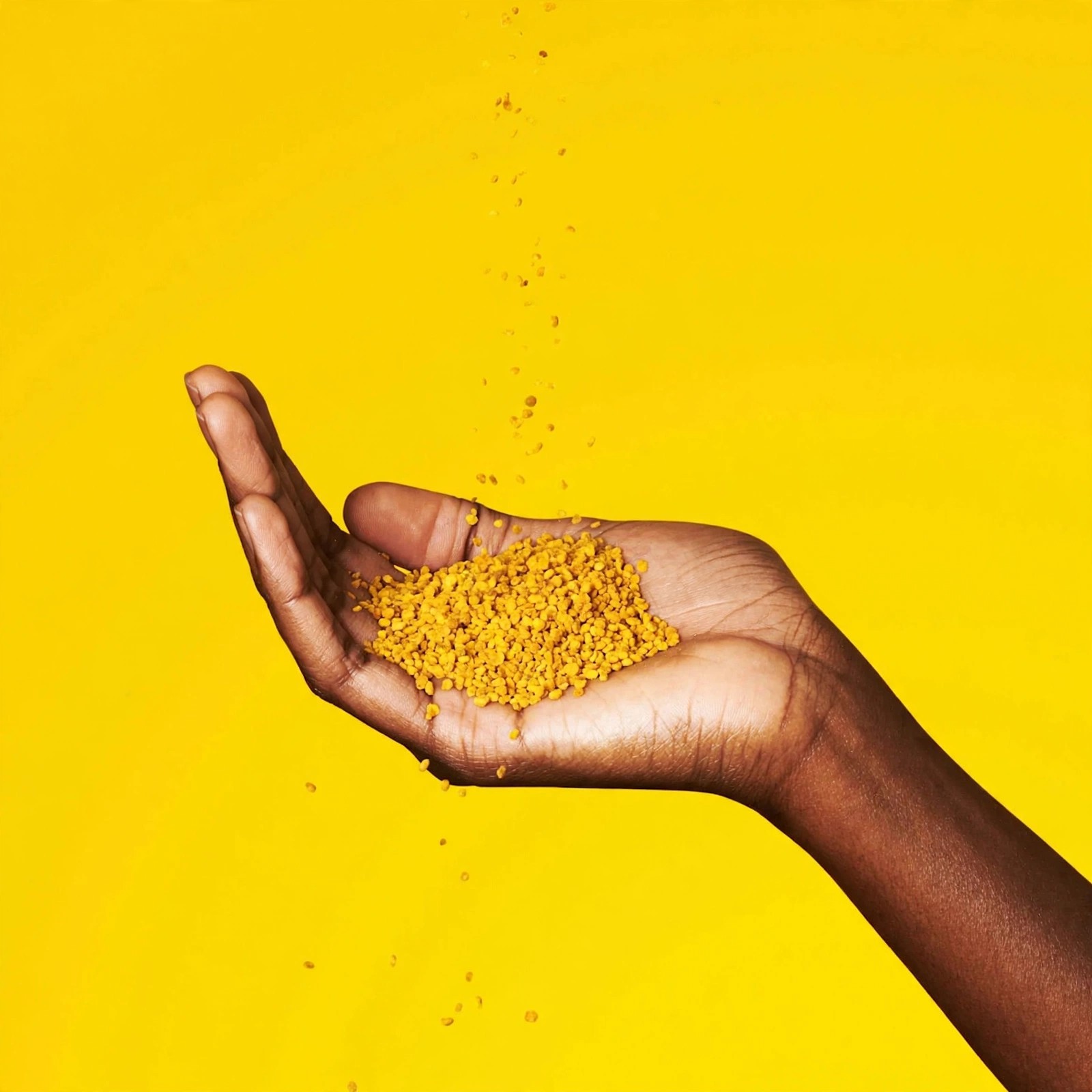
Propolis is the sticky blend bees create from saliva, beeswax and plant exudates like sap. Colonies use it to coat and close the hive. I had never encountered it in Toronto. In Italy it sat with standard pharmacy stock.
I carried that question back to the University of Victoria in Canada. I asked a local beekeeper to train me. I started mixing my earliest propolis formulas in the chemistry lab in free hours and passing samples to friends and family. That sharing became my first feedback loop. People reported taste, burn, and whether they picked it up a second time.
You grew up in Toronto and spent much of your childhood feeling unwell, with severe recurring tonsillitis and allergy to most antibiotics. How did that early experience shape the way you check labels before use?
I spent much of my Toronto childhood feeling sick. When tonsillitis keeps returning and most antibiotics trigger allergy, close reading becomes survival. You memorize the other ingredients section because skipping it is not an option.
I grew disillusioned as a shopper because I kept spending scarce time and money on glossy celebrity formulas that promised loudly and delivered little. That memory stuck. From day one, I refused to formulate with the alcohol, refined sugars, preservatives, or cheap fillers common in most remedies.
A label should read like a log for me. It needs to list contents and name deliberate omissions. Parents of young kids understand this fast. They prefer a brief panel in plain language, plus a reason behind every entry.
You source from remote apiaries in Canada, Europe and South America and say that you never overharvest. How do you select a yard, and what does never overharvest mean for daily supply?
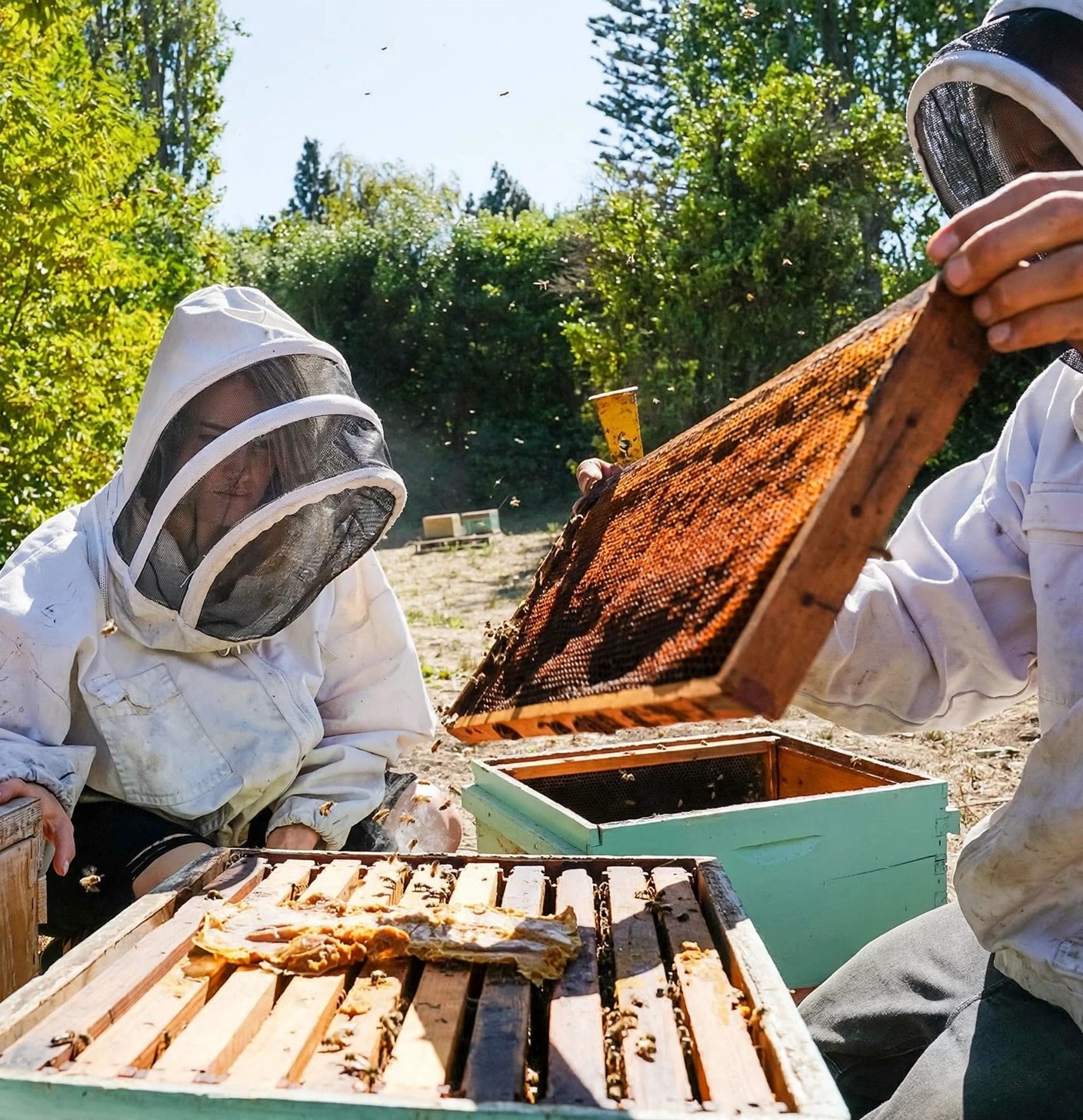
Sustainability sits very near my core. We select far off yards because separation from intensive farmland cuts odds of spray drift. Canada, Europe and South America offer varied plants and calendars, which also distributes pressure on bees.
Leaving enough behind means harvesting surplus only and reserving what colonies require to seal cracks and survive scarcity and winter. Since propolis supports hive defense, stripping it weakens residents. Our beekeepers remove a share, then let the site recover. Colony welfare outranks output.
I prefer far flung pesticide free yards plus independent lab checks over organic papers by themselves. Certification describes field methods. Assays describe the batch in front of us. We want landscape history together with documents.
The habit had to stay simple enough to keep, and gentle enough to repeat daily.
Carly Stein
Back in Canada you trained with a beekeeper and mixed formulas in a chemistry lab in spare time while working toward a career that led to the trading floor at Goldman Sachs. What did the hive teach you about routine that finance did not?
Colonies taught me timing and restraint. A hive will not accelerate for you. You observe traffic at the entrance, respect season, remove modestly and retain plenty. I was hunting for moments when I felt most alive. And I continually returned to crafting formulas and tending bees.
Banking taught me systems and math. In time, I left my trading floor role at Goldman Sachs to run Beekeeper’s Naturals full time. Despite warnings from friends and coworkers, I chose to exit steady employment and bet everything on this unusual bee wellness concept full time. It remains the smartest choice I have made.
In 2017 I swapped office life for apiary work and a farmers market table. That modest booth eventually led to Whole Foods, CVS and Target placement. The market phase still guides me because selling face to face is immediate. Shoppers ask that same morning where the honey originated.
Your routine stays clean without compromise, with no alcohol, refined sugars, preservatives or fillers in remedies. What does that rule let into the throat spray for daily use and what does it keep out?
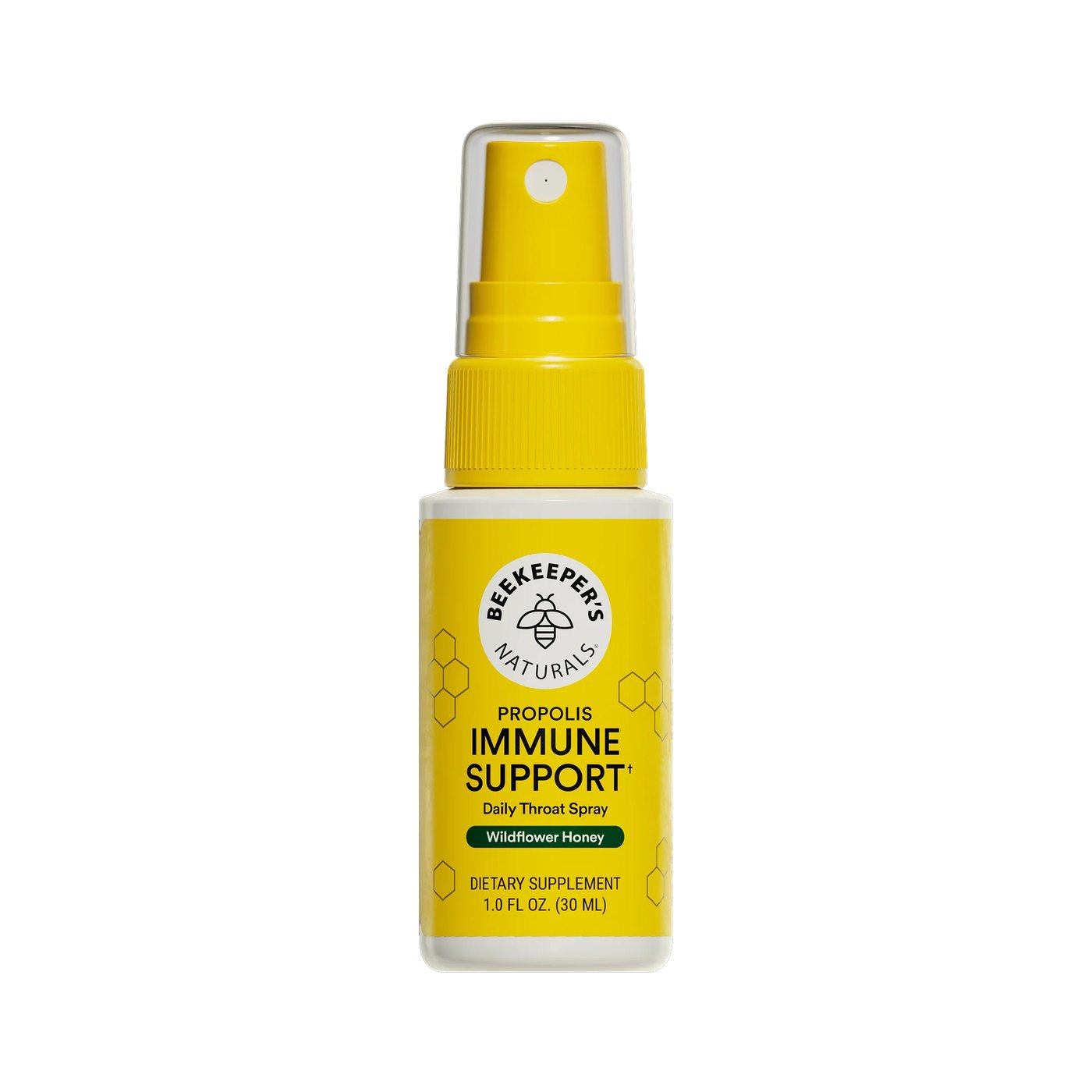
From the outset, I insisted on excluding the alcohol, refined sugars, preservatives, and low grade fillers typical in most remedies. That standard defines our throat spray. Our propolis mist pairs bee propolis with vegetable glycerin and purified water as its carrier, instead of alcohol or sweet syrup.
I lived with weak immunity as a child, and shifts only followed after I discovered propolis and began taking it each day. That history explains why I take three to five sprays daily without fail. The ritual needed to stay easy to maintain, and mild enough for repetition.
The panel names propolis and constituents, among them polyphenols, flavonoids, vitamin C, iron and B vitamins. We formulate alongside doctors, nutritionists and health experts. Our shorthand for the method is Powered by Propolis and Medicine, made natural. With that we intend current science applied to hive inputs, minus sugars, dyes and extra chemicals.
Every capsule traced back to the field is our measure of a steady habit. After harvest, what happens to propolis on its way to the spray bottle, and where is the chain still hard to track?
Once collected, propolis gets cleaned, sorted and extracted to an alcohol free sprayable liquid. Then the extract is mixed, verified, and bottled. Every batch holds separate documentation, and completed blends visit an external lab for pesticides and heavy metals.
The gap is showing that middle on a single label. Extraction strength, carrier, fill amount, and lab thresholds live in files few buyers open. We can identify producers and provide batch records, and shoppers ask us to surface those files more clearly.
I favor pairing current science with natural medicine over offering formulas that fall flat. Traceability belongs inside that stance for me. Which exact origin stands behind this, and what confirms it. When one stage stays unclear, we admit it and improve documentation until clarity lands.
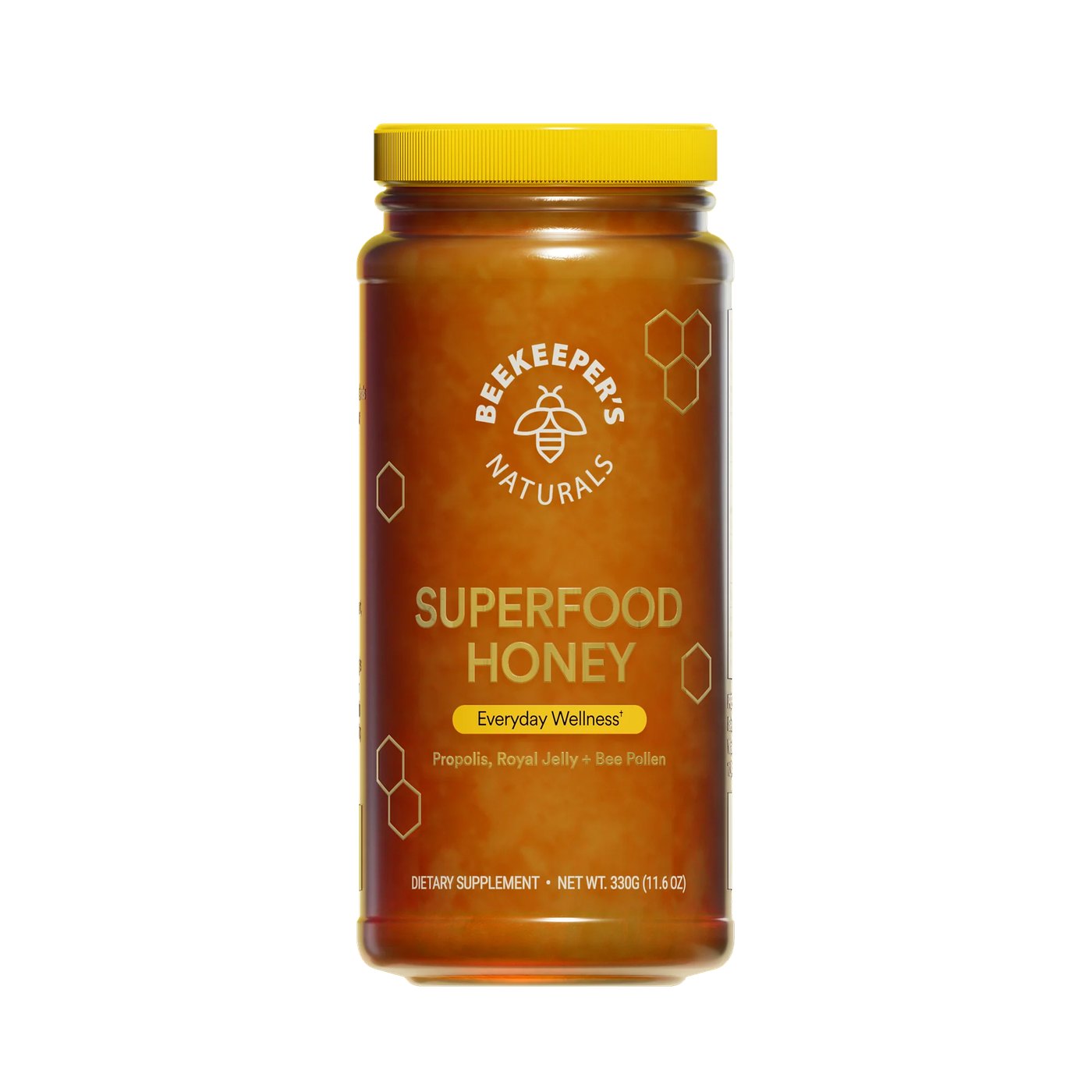
Superfood Honey blends raw honey with propolis, bee pollen and royal jelly in one 330 gram jar. Why stack four hive ingredients together, and how should a buyer use it each day?
Superfood Honey serves as our signature jar since it presents the colony in one spoonful. Unheated honey forms the base. We fold propolis, bee pollen and royal jelly through it. Folks wonder about serving, and guidance stays basic. Enjoy it as ordinary honey by the spoon.
Royal jelly feeds every young larva briefly while the queen consumes it for life. Bee pollen means the compact granules bees assemble from floral pollen. Every component follows a separate season and method. Honey leaves the extractor and enters jars with low heat. Pollen passes through drying and sorting. Royal jelly arrives in tiny volumes and stays chilled.
The jar states brand declarations and label facts. We make no promises of results. We list components, total weight at 330 grams, and serving approach. Parents favor it since a single jar consolidates multiple shelf items.
In Canada, look for an NPN Number on supplements since it legally validates the health claims being made. How does that rule shape what you print on the label and what you leave to the customer story?
That number carries weight in Canada. Supplement health statements may need an NPN Number that legally supports the statements attached. So we print validated language and frame the balance as directions and routine.
Panels carry identity, amount and use instructions. They avoid pledging personal outcomes to readers. Individual relief accounts remain separate from the Supplement Facts box deliberately. Those accounts reflect single experiences, not assured effects.
So we treat Save the Bees and A better way to feel better as missions, not warranties. Records establish source and composition. Outside assays screen for pesticides and heavy metals. An NPN entry, when relevant, governs permitted claim terms. Remaining confidence must accumulate gradually, batch by batch.
The nasal line brings the throat routine to the nose, pairing propolis, oregano oil, eucalyptus and xylitol in a non habit forming formula. What led you from throat to sinus, and how do the two steps fit in one routine?
Shoppers pointed us there. Daily throat spray users wanted a nasal option for travel and seasonal transitions. We created Nasal Spray Max, a non habit forming blend with propolis, oregano oil, eucalyptus and xylitol for rinsing nasal passages.
Mouth first, nose second mirrored habits already in homes. Mist inside the mouth each day for immune defense, then mist inside the nose for cleansing. We applied identical exclusions. No alcohol, no refined sugars, no dyes, no extra chemicals. Aroma derives from plant oils, not synthetic scent.
Blends are built with doctors, nutritionists and health experts who shape innovation, formulation, clinical research and customer education. Such oversight counts with nasal formulas because nasal tissue reacts quickly. Pump design, spray plume and plain instructions outweigh promotional copy.
Closing note from the desk
Stack it like Stein does. Anchor the throat mist to breakfast, keep honey near the tea, store the nasal bottle with the toothbrush for nights. Three to five sprays, one spoonful, then nose when travel or seasons call for it.
The sourcing still matters. Remote yards across three regions, surplus only, outside screening for pesticides and heavy metals, no alcohol or refined sugars in the base. Set bottles where you will see them, track mornings kept, and check with a clinician if medication, pregnancy or a condition is in the picture.
Product spotlight
Propolis Immune Support Throat Spray, 13.99 dollars for one spray. Propolis with polyphenols, flavonoids, vitamin C, iron and B vitamins suspended in glycerin. Stein takes three to five sprays in the mouth each day for immune defense. Keep it beside breakfast and use it at the same hour.
Superfood Honey costs 39.99 dollars for 330 grams for the jar. Raw honey folded with propolis, bee pollen and royal jelly, taken by the spoon as everyday honey. Stir before spooning and keep sealed at room temperature. One jar places four hive ingredients into a single morning step.

Rachel Chandler
Rachel runs the news desk and the routine guides at The Daily Capsule. She checks every timing tip against the label and keeps a seven-day pill organizer on her desk as a reminder of who the guides are for.
More from Rachel Chandler →