- EU packaging rules started to apply directly on 12 August 2026
- UK refillable makeup rose 364% in early 2022, led by lip colour
- Refill market stood at USD 5.50 Billion in 2025, with refills 10 to 20 percent cheaper
The jar, case and carton around lipstick and pressed powder gained rules of their own when Regulation (EU) 2025/40 entered into force on 11 February 2025 and the EU Packaging and Packaging Waste Regulation started to apply directly in every Member State on 12 August 2026. The framework treats the outer pack as a separate matter from the formula held inside.
Anyone who keeps a favourite compact will recognise the pattern. Refillable prestige beauty sales in the United Kingdom grew 47 percent from January to end July 2022 and reached 34M pounds across those seven months, according to NPD UK Beauty. Sales of Product Refill Only rose 79 percent over the same window, the quickest rise in that group.
Makeup led the change. From January to July 2022, sales of refillable makeup products were up 364 percent against the same period last year. Just over half of makeup refill sales could be attributed to lip colour, while bronzer and blush also dominated. New 2022 launches with refillable options for a steady shelf routine included Good Fortune by Viktor and Rolf, D by Diesel and Prada Paradoxe. As consumers become more conscious of sustainability and their role in promoting it, we have seen a corresponding rise in sales of refillable prestige beauty products, said Emma Fishwick, Account Manager, NPD UK Beauty.
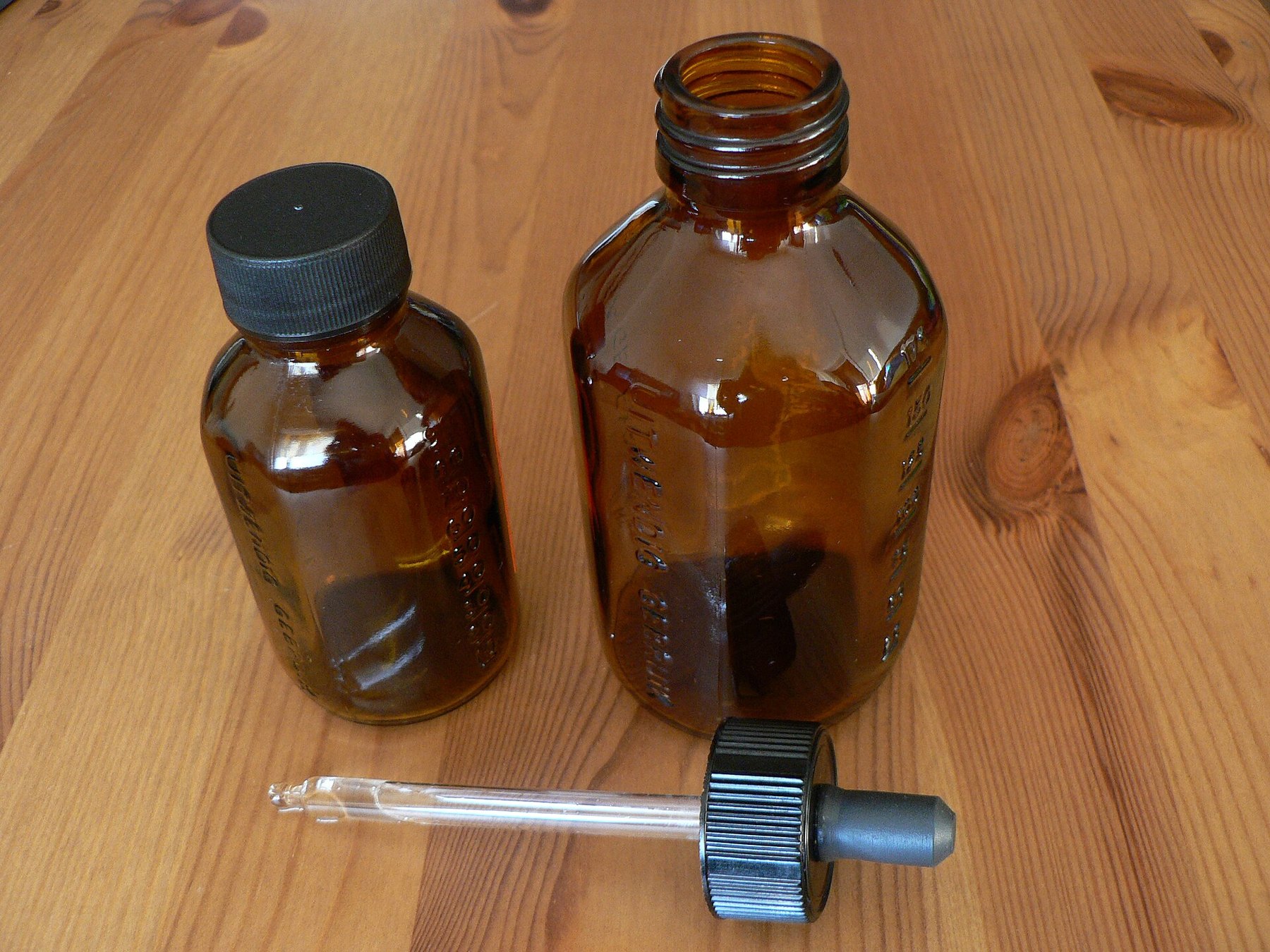
Skincare still shapes the wider shelf. The refillable cosmetic product market stood at USD 5.50 Billion in 2025 and was projected to reach USD 9.58 Billion by 2032, implying 8.25 percent CAGR for planning your routine. Skincare accounted for 50.8 percent of value in 2025, estimated at USD 2.8 Billion to anchor a morning and night habit. Makeup accounted for an estimated USD 1.6 Billion and 29.6 percent share in the daily stack. Europe generated USD 1,971.57 Million in 2025, about 35.9 percent of the global market and routine uptake. Glass represented 45.3 percent share of refillable packaging material in 2025 for bottles kept in sight.
Regulation EU 2025/40 entered into force on 11 February 2025 to shape what you buy and refill. By 1 January 2030, all packaging placed on the EU market has to meet recyclability criteria graded A to E, and anything below Grade C is barred from the shelf. Article 10 bars designs that lift perceived volume, with Commission FAQ using a 50ml facial cream jar with double wall, false bottom or outer box as the worked example.
More duties will reach the bathroom counter soon. From 1 January 2030, Annex V bans single use packaging for cosmetics supplied for an individual hotel booking while traveling light. From 2030, large retailers must endeavour to dedicate 10 percent of sales area to refill stations near your regular shop trip. By 2030, grouped, transport and e commerce packaging must not exceed 50 percent empty space in every delivery. Operators offering refills must inform consumers about usable container types, hygiene standards and safety rules to keep the habit safe. Every packaging unit needs its own Declaration of Conformity for your routine to stay compliant. The law sets a general limit of 100mg/kg for lead, cadmium, mercury and hexavalent chromium in packaging materials you handle in a daily routine.
Whether the quick early rise carried on through 2026 is not yet known, since sales data stops in 2022. Refills typically run 10 to 20 percent cheaper than buying a new unit to sustain the habit. Growth was fast but from a small base, so track whether your own use stays steady. Watch for further Commission guidance on scope and labelling, and for how brands fit durable packs, reverse logistics and cleaning between fills into daily use.
The Daily Capsule will track which compacts, sticks and pots stay practical for a small daily stack, and which formulas fit them best.

Ashley Chen
Ashley produces the interviews at The Daily Capsule: the research, the question lists, the follow-ups. Her favorite question comes last, when she asks a founder exactly when, and with what, they take their own product.
More from Ashley Chen →