- Prestige sales hit $17.1 billion in H1 2026, with skincare ahead of makeup on dollars and units
- Body care and sun care posted double digit growth as routines spread past the face
- Track refills and timing to tell whether your own shelf matches the wider pattern
On August 11 Circana LLC reported United States prestige beauty sales rose 7 percent to 17.1 billion dollars in the first six months of 2026 as daily routines held steady. Skincare advanced 9 percent in that window, while makeup added 3 percent and unit demand eased a little.
Circana tracks prestige and mass sales each half, which makes comparison across periods possible. Mass beauty also rose 7 percent in the half, to 39.2 billion dollars. Unit demand stayed positive across prestige and mass as routines held. Shoppers crossed price tiers and kept products that fit a repeatable routine.
If your morning starts with cleanser, moisturizer and sunscreen, the pattern will look familiar. Prestige body care climbed 16 percent, with support from body cleansers, body lotions and deodorants. Sun care rose 19 percent as shoppers gave more weight to preventative skincare. Face cream, facial cleanser and eye treatment each posted solid growth as routine staples.
Skincare showed strength in both value and volume. Units increased by double digits in prestige skincare. That result followed a 1 percent decline one year earlier, a shift that suggests daily care has stabilized. Prestige makeup rose in dollars yet slipped in units, which shows weaker volume health than skincare.
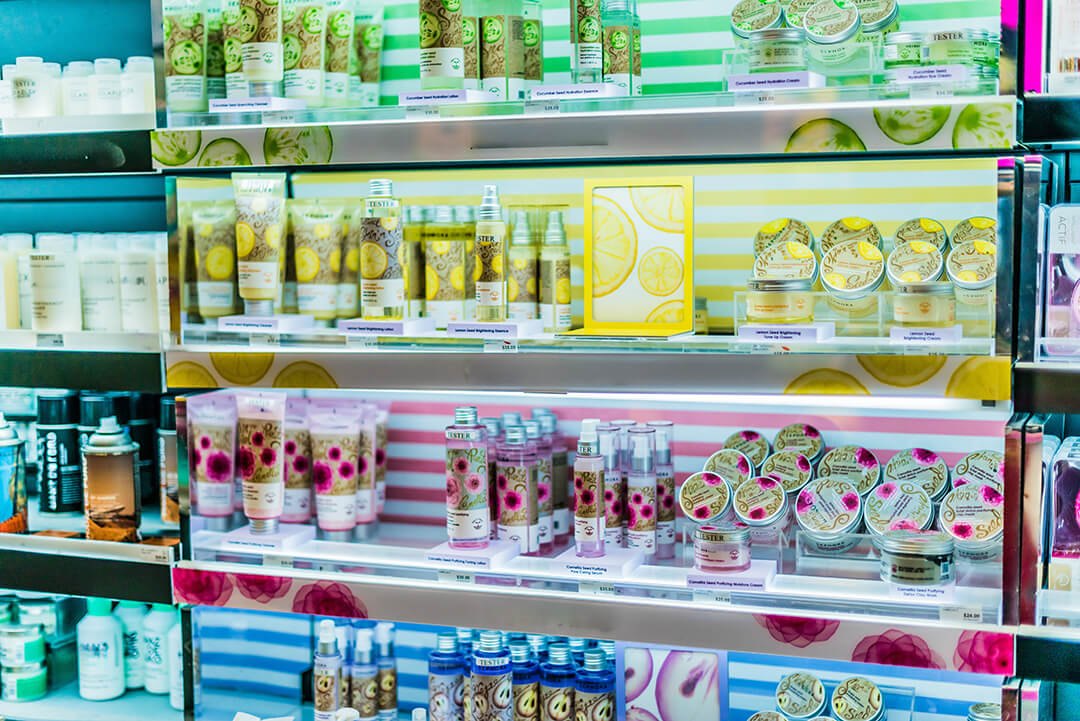
The plant based detail sits within that shift. Prestige natural skin care brands grew again in dollar and unit sales in the first half of 2026 after years without growth. E-commerce stood as the largest channel for prestige skin care for the first time in the half. Together those changes support considered formulas bought with care and routines maintained over time.
Larissa Jensen, global beauty industry advisor at Circana, said fragrance remains a key avenue for affordable luxury and self expression while skincare benefits from focus on whole body wellness, preventative treatments, and daily rituals. Her second point also fits a routine minded reader. She said beauty continues to benefit from consumers willing to shop across price tiers while selectively investing in products that deliver the strongest emotional and functional value in a routine.
Other categories add background without changing the lead. Prestige hair care increased 11 percent from the prior year, with treatments as the largest growth driver. Prestige fragrance dollar sales increased 6 percent, with average prices higher by 5 percent while unit sales stayed flat. Eau de parfum and perfume posted double digit growth as shoppers chose higher concentration formats. Luxury fragrance, about 15 percent of total prestige fragrance, increased in dollars and units, driven largely by women’s fragrance purchases.
Some limits matter for planning a shelf. Absolute dollar sales for prestige skincare versus prestige makeup in the half are not available to guide stacking or timing. They do not show whether skincare gains came from new buyers, repeat purchase, or higher prices that shape refill timing. Currently they provide neither third quarter data nor a full year forecast to plan the routine ahead.
What to track next is small and practical. If body care, sun care and facial basics keep their pace, growth will continue to come from use rather than novelty. Lip liner was the fastest growing segment in prestige makeup, while bronzer and blush posted double digit gains. Those extras matter, but the daily habit still starts with skincare.
Keep the routine close at hand and watch replenishment, not launches, for the next signal on what is working.

Rachel Chandler
Rachel runs the news desk and the routine guides at The Daily Capsule. She checks every timing tip against the label and keeps a seven-day pill organizer on her desk as a reminder of who the guides are for.
More from Rachel Chandler →