- 64 adults ages 45 to 65 took 10 grams of creatine monohydrate or placebo daily for 12 weeks, with or without training and modest calorie reduction
- Without training, creatine linked to about 2.4 pounds more lean tissue plus higher leg press and bench press numbers
- With training and dieting, creatine supported more strength and a larger drop in body-fat percentage, but not extra aerobic capacity
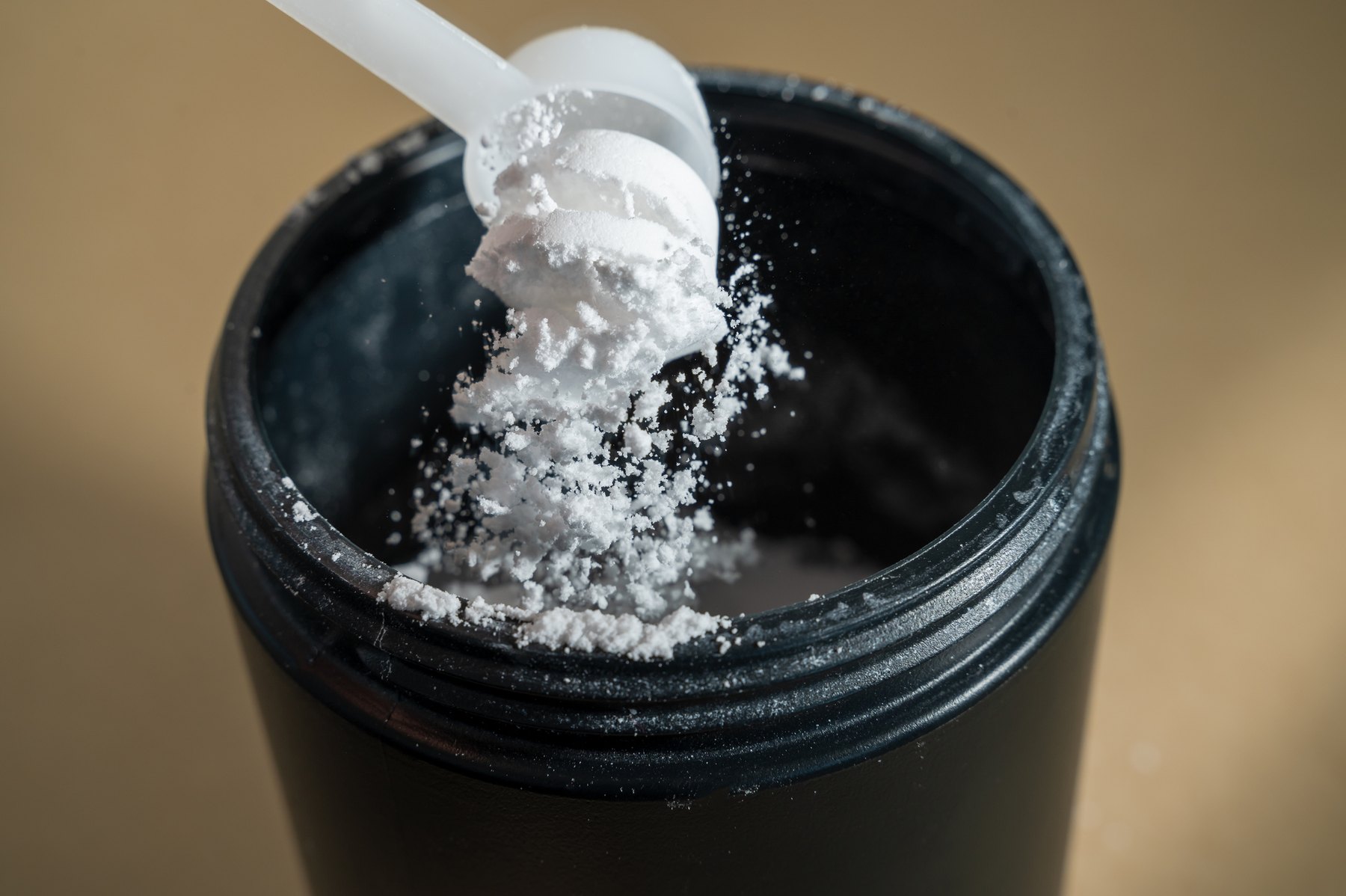
Researchers at Texas A&M University reported a 12-week randomized trial on August 11 that compared 10 grams of daily creatine monohydrate with placebo in 64 healthy adults ages 45 to 65, both with and without training and modest dieting. People who skipped workouts yet took creatine added about 2.4 pounds of lean tissue and lifted more.
Volunteers first picked either a structured exercise plus diet induced weight loss track or a non-exercise track. Then each track was split at random into creatine or placebo. The workout plan paired resistance sessions with aerobic sessions three times per week, while people in the exercise track ate for a small daily calorie shortfall.
Among people who did not exercise, creatine raised leg press strength and bench press strength across 12 weeks. In the training and diet track, people assigned to creatine added close to three pounds of lean tissue and lost fat mass. By comparison, the training and diet track assigned to placebo showed minimal shift in lean tissue.
Pairing creatine with workouts also produced larger increases in leg and bench press strength and time to exhaustion. It showed no extra gain for aerobic capacity. People using creatine finished with a bigger fall in body fat percentage than training and dieting alone, which the authors call the first result of that type for creatine during exercise and diet induced weight loss.
For busy midlife readers, the takeaway centers on holding on to capacity. Muscle and strength often decline with age and while eating less, and keeping lean tissue helps stairs, groceries, and workouts feel manageable. A powder that supports lean tissue without formal sessions looks convenient, yet training still drove the stronger improvements here.
There are caveats to place in your routine notes. Because volunteers chose the exercise path before random assignment, contrasts between exercisers and non-exercisers carry less weight than creatine versus placebo contrasts. The report covers one 12-week study in 64 finishers. It gives no long term follow-up, no findings beyond ages 45 to 65, and no results for the cognitive and health marker outcomes listed in the paper title.
Dose and daily habits also deserve attention. The study used 10 grams per day, not several amounts for comparison. Food intake, protein intake, and everyday movement in the non-exercise group might have influenced the outcomes. A 2025 review of 685 clinical trials by the same research group found no significant difference in reported side effect rates between creatine and placebo. The present trial was led by Dr. Richard Kreider, professor and director of the Exercise and Sport Nutrition Lab at Texas A&M, and funded by the WoodNext Foundation through the Texas A&M Foundation.
For now, treat this as a focused finding rather than a standing habit. Creatine maintained lean tissue and strength in this age group, worked better with training and dieting, and left aerobic capacity flat.

Ashley Chen
Ashley produces the interviews at The Daily Capsule: the research, the question lists, the follow-ups. Her favorite question comes last, when she asks a founder exactly when, and with what, they take their own product.
More from Ashley Chen →