
Two years of homework came before one January launch. That single number explains Hilma, the direct to consumer line for digestive relief that Hilary Quartner, Nina Mullen and Lily Galef brought out in January 2020. They wanted plant remedies with clinical backing and panels free of dyes or sugars. Here is when to take each formula, what to pair it with, and how the sourcing and lot testing behind it works.
Hilma began in January 2020 with natural support for digestion. The founders chose to stay narrow at first, digestion only, instead of covering every shelf need at once. Hilary Quartner, Nina Mullen and Lily Galef had used one full year to study the idea before they worked on it full time, then spent another year and a half to build formulas and the brand.
They were friends well before they shared a cap table. Quartner and Mullen met during Harvard Business School. Mullen and Galef had known one another since they were kids. The origin story they still repeat starts on a sick day, when Mullen passed Galef a bright pink Emergen-C sachet loaded with sugars and dyes, and the three saw the distance between that sachet and the careful labels they chose for food, skin care and home cleaning.
Hilma today is a supplement firm organized around need first labels, herbs grown around the world and capsules made and checked in the United States. The founders say the blends are built with doctors and scientists, that each ingredient is screened for clinical study, and that the firm funds product studies of its own. In late 2022 Biocodex Group bought a majority share while the company kept running on its own under that owner.
The useful lens for routine building is the paper trail behind the promise. The Daily Capsule reads forward, from morning glass to nightstand. Hilma more easily names the system, global plants plus United States testing, than it names each farm and each lot in public. That gap matters when you set a habit and track whether it may support you.
You spent a full year studying the idea before going full time, then another year and a half building products to fit a daily routine. What did those hundreds of customer interviews teach you about confusing tinctures and herbals built around single ingredients.
Hilary Quartner: Our team gave a full year to research and diligence on the Hilma idea before we made it our full time work, then we gave another year and a half to formula work and brand work. Idea to launch ran close to two years. We held hundreds of shopper talks to check that other people sought a different choice.
Shoppers said they were tired of puzzling tinctures and herbals sold by ingredient with little study. They hoped to open the cabinet and get help for gas, a sour stomach, head tension, seasonal needs. They hoped the front would name the need in plain terms. They also hoped an over the counter pill would not be the default first step for each small discomfort.
That pattern set our lineup. We came out in 2020 with four items, among them Immune Support, Upset Stomach Relief, Tension Relief and Indoor/Outdoor Support. Gas and digestion turned into the center because the need showed up most often there and because herbs there had published work behind them.
That bright pink Emergen-C with sugars and dyes became your founding image on a sick day. What did that moment show about medicine cabinets feeling stuck in the past for everyday use.
Nina Mullen: All of us were friends before we turned into cofounders, and we truly bonded around shared excitement for this category and this shift in buying. Lily caught a cold and I handed her that packet. It showed bright pink color, sugars and dyes, plus tired design. It sat oddly beside the foods we ate and the skin care and cleaning goods we kept.
We opened our medicine cabinets with new eyes and saw shelves left in the past. Each of us had found relief from natural options for everyday needs, and we kept wondering why no choice paired a natural build with doctor and study credibility. So we set out to make the brand we wished stocked already.
We built Hilma because natural options should work and stay within reach, and because each person deserves a natural swap for what sits in the cabinet now. That view has held firm. We are not at all anti medicine. We sought choice, with panels a person can parse.
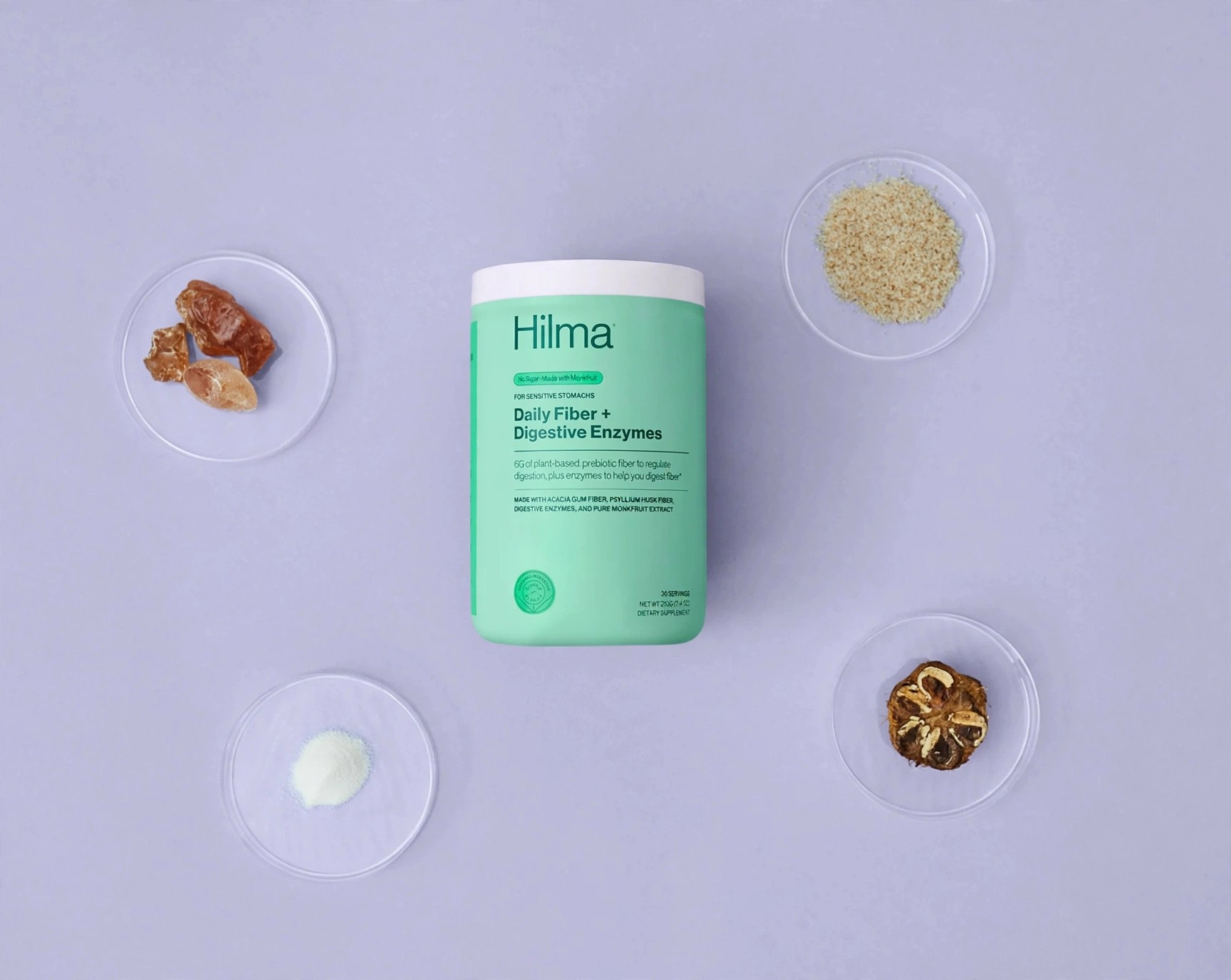
You say you source herbs from all over the world based on where the herbs grow best and test highest in quality. For a buyer reading the label, where exactly does the material in Gas and Bloat Relief start, and what record follows it.
Lily Galef: Our herbs come from many countries, tied to spots where each plant thrives and tests at top quality. The choice is on purpose. A crop lifted where it grows strong will often yield steadier matter for extraction. After harvest the matter gets dried, ground and pulled into a powder or oil, then sent on for packing into capsules.
Every product of ours gets made and checked in the US. Each inbound lot lands with vendor papers, then our production partners check identity and screen for contaminants such as heavy metals and microbes before sign off. Results for the lot sit in its certificate of analysis. The finished run gets its own file, with fill mass and count.
What we share now is the framework more than each grower name and each lot digit. We hear that origin minded buyers seek field names and pick dates. We can outline region and quality rules and stateside checks. The part still hidden in public is farm level linkage by item, and the fix would be lot level posting on the site.
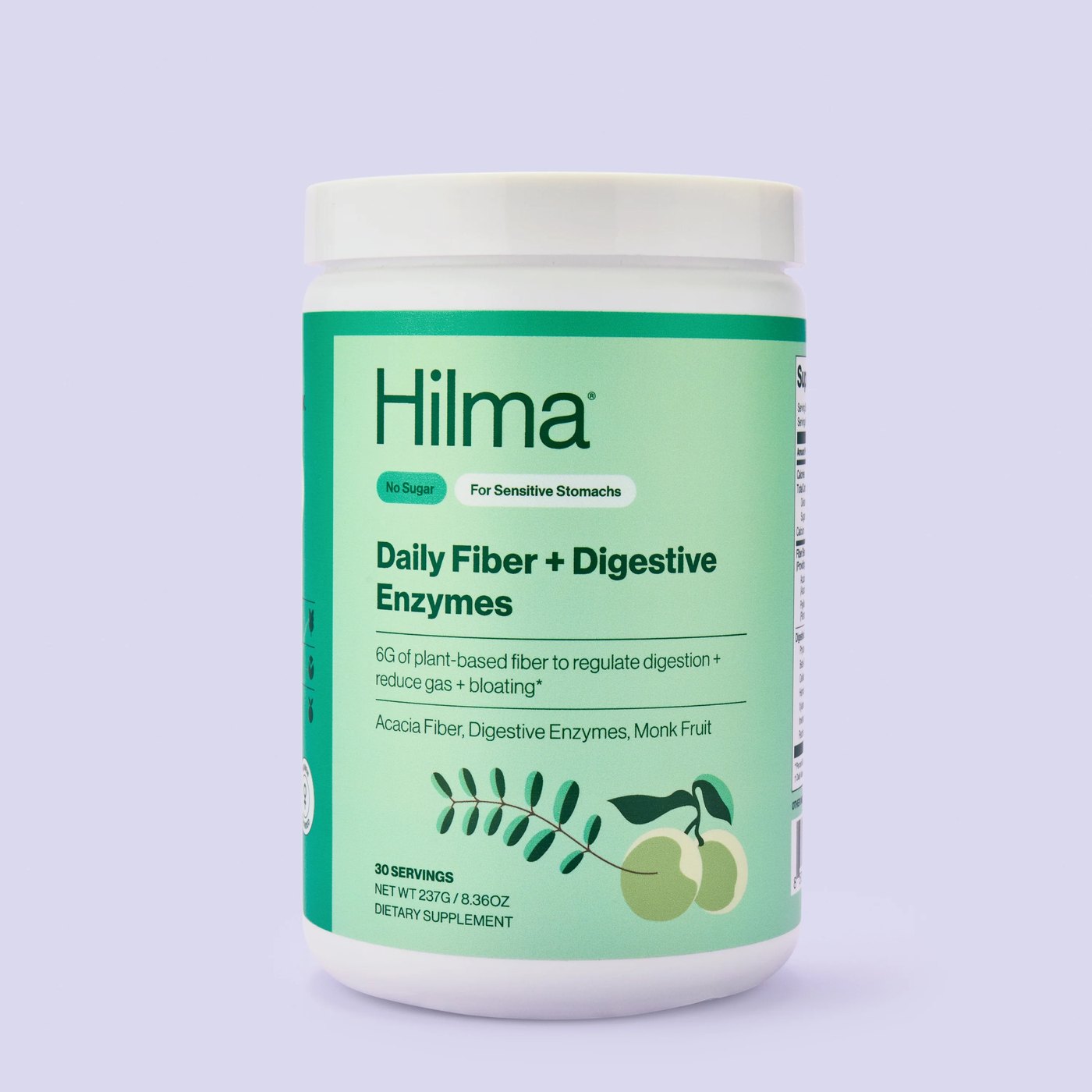
Daily Fiber plus Digestive Enzymes Powder at 22 dollars is a plant based prebiotic fiber with enzymes for sensitive stomachs to mix with breakfast and keep near the mugs. How do chicory root fiber and enzymes move through your supply chain differently from herbs meant for gas.
Lily Galef: Fiber plus enzymes travel a separate route from leaf and root plants for gas. The fiber side is prebiotic fiber drawn from chicory root, which shows up as a milled fiber powder rather than a raw herb meant for extraction. Its lot file centers on fiber level, moisture and microbes. The enzymes are ferment grown goods, raised in tanks, gathered, dried and mixed by activity units instead of by mass alone.
At blending, the fiber base and the enzyme mix join into a recipe that stirs into water. Use calls for one mixed powder each day for fiber and de bloat support. Since heat and damp sap enzyme strength, dry storage and tight tub or sachet seals count extra here compared with most dry herbs. Checks track strength across shelf life, not just at start.
The panel lists fiber grams per serving plus the enzyme mix by name and quantity. That is the paper a buyer can confirm at home. Field origin fits the chicory root most plainly. Tank origin fits the enzymes. We hold those sources apart in files even after they meet in one powder.
None of you were doctors, herbalists or scientists at the start, so you formed a Scientific Advisory Board first. Who sits on it and how does that board shape a formula before it moves to encapsulation.
Hilary Quartner: At Hilma a strict science method guides how we build formulas. Since none of the three of us trained as a doctor, herbalist or scientist, a Scientific Advisory Board came first. We build with physicians that cover gut care, general internal care, allergy care and care focused on womens health.
Day to day, the board studies the need case and the open literature for each herb under review. We seek clinical work that may support use for that need, then we assess dose, extract type and safety profile. When an herb holds lore yet thin evidence, it stays out. When a study dose will not fit a capsule at a sensible fill mass, we rework the mix.
We plan to keep leading in the natural set by keeping a high bar for study rigor. So our goods stay free of dyes, sugars, and fillers still common in many household goods. Free of here signals not added to the recipe. The Supplement Facts box and the other ingredients line list what remains.
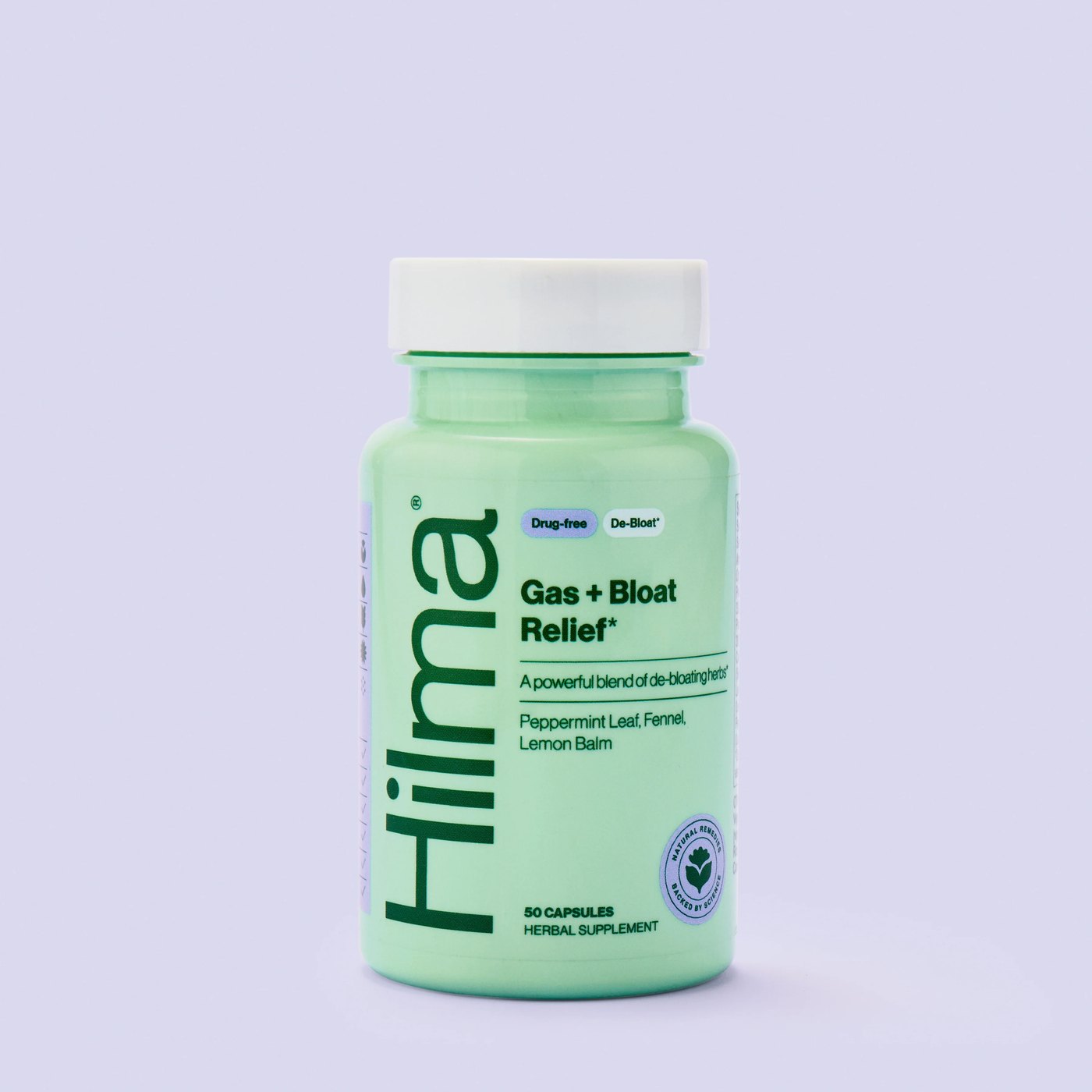
Gas and Bloat Relief at 36 dollars is listed as a bestseller for occasional gas and digestive discomfort to take with food and keep with dinner supplies. Walk us from the dried herb to the capsule in the hand, covering extract ratio, standardisation and fill weight.
Hilary Quartner: Gas and Bloat Relief opens as dried plants from world vendors picked by region and quality. Every herb lot gets matched to species, then drawn into a denser form. When an extract carries standardisation, it has been tuned to a fixed level of a marker compound so lots act closer to alike. When it lacks standardisation, we lean on extract ratio, the note of how much raw herb yields one part extract, alongside identity checks.
The powder or dense extract moves into a mix with the other items shown on the Supplement Facts panel, then into shells. Fill weight marks the mass of mix set in each shell. Count gets verified by mass and by tally. The 100 count jar sells as a two month stock and the 50 count as a one month stock, which points to the planned daily count on the label.
Use means take as shown for gas and bloating relief. The other ingredients line names shell matter and any flow aids. The seal, lot digits and best by date link that jar to its run file and its certificate of analysis.
You manufacture and test in the US while sourcing globally, and you run your own clinical studies. What does a study on a Hilma product truly measure, and what does it fail to prove.
Nina Mullen: We fund product studies of our own because open herb research does not always mirror a finished mix. A goods trial signs up people with the matching occasional need and follows self noted change across the term, with surveys and common gut measures. Design, group and length get fixed prior to start.
What comes out is how users described their time while taking the goods as shown through the term. What stays unproven is wider proof. Supplement wording in the US bears the note that Food and Drug Administration has not evaluated statements. Our panels phrase support for occasional signs, never cure of illness.
For routine readers, method plus access count most. Which group, how long, at which dose, and where the recap lives. We send shoppers to the panel and to study recaps, and we stay with supports and helps ease occasional unease, which fits what the panel permits.
We are by no means anti medicine in our approach to daily care. We wanted choice, with labels people could read at a glance.
Nina Mullen
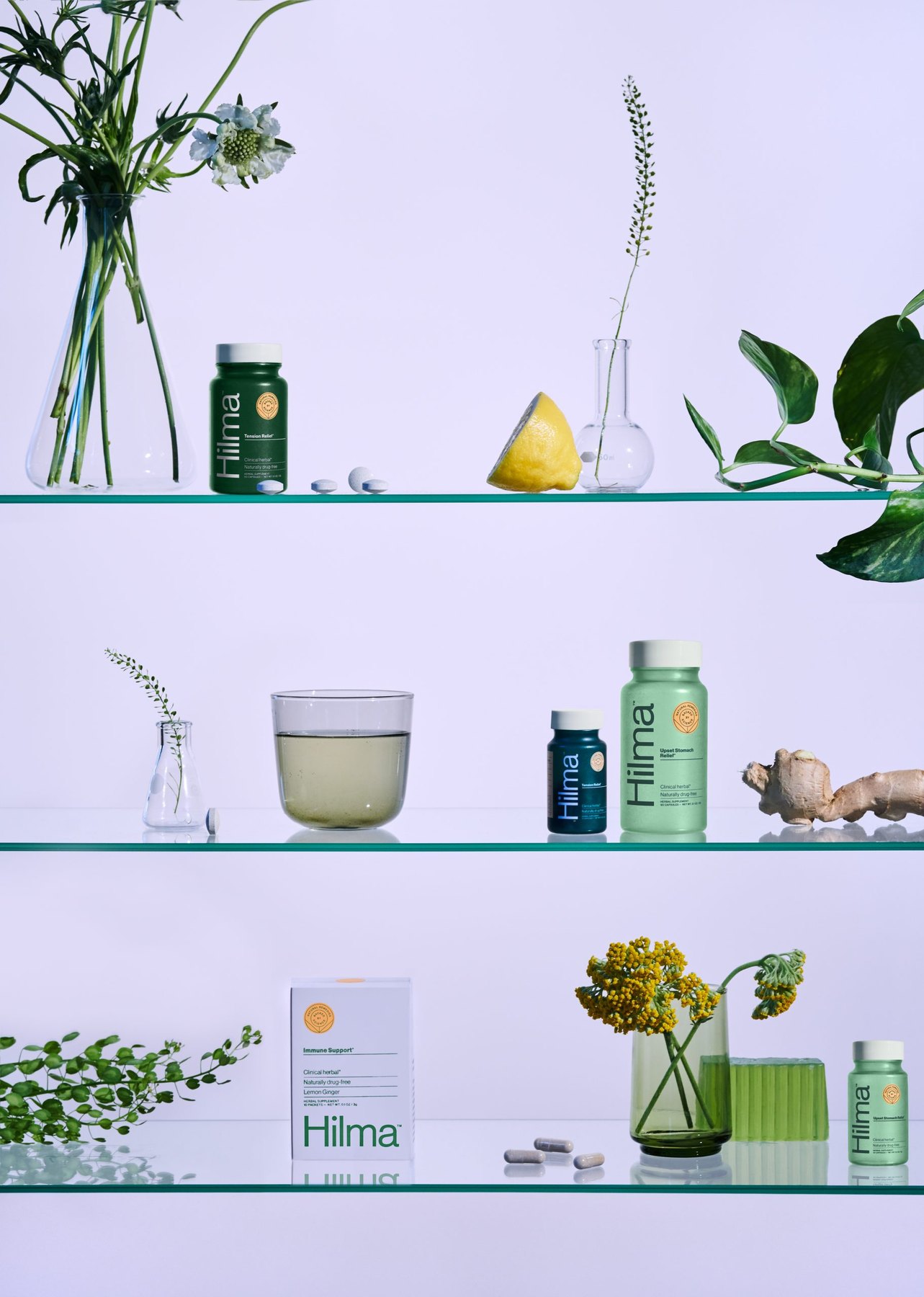
In November 2022 you shared the sale of a majority stake to Biocodex Group and said you would remain independent in operation. What changed in sourcing, testing and retail in the move from Amazon and Target in 2021 to a major US drugstore chain.
Hilary Quartner: Our tie with Biocodex will let Hilma grow fast across sales paths, meet fresh buyers and craft fresh goods. The setup stayed separate under its roof. Daily recipe work plus stateside making and checking held steady at announcement. Added muscle went to retail planning and supply planning with a pharma owner.
Dates tell it. We first sold direct to consumer in January 2020. We reached Amazon and Target shelves in 2021. We doubled 100 percent year over year through 2022. The majority share deal went public in late 2022. Entry to a first large US drugstore chain was slated for the first half of 2023. Every stage lifted lot counts, pushed forecasts out and added store compliance forms.
For sourcing, bigger runs bring more lots per herb and closer calendars with farms and extract houses. Certificates of analysis still ride with each lot. The jar still prints the lot code. Growth tests if quality bars hold as output climbs, and we watch that point.
You describe labels as simple and solution focused rather than ingredient focused for a routine that is easy to stack and repeat. What must a careful buyer still review on the Supplement Facts panel to judge value at 72 cents to 80 cents per serving.
Nina Mullen: Simple here means the front names the need, gas, fiber, dairy and gluten triggers, tension. The back holds the facts a close reader requires. Scan serving size and servings per jar first. Our Gas and Bloat Relief marks 100 count as a two month stock at 36 dollars and 50 count as a one month stock at 20 dollars, which yields your cost per serving. Scan the mix by mass or amount, then scan the other ingredients line for shell and flow aids.
Seek what we leave out, dyes, sugars and fillers in recipes, and confirm it on the panel instead of trusting the front alone. Seek outside seals when shown and learn they differ in reach. One may audit plant practice, one may check sealed lots for contaminants, one may confirm a lone trait. Our stateside making and checking sits within current Good Manufacturing Practice, with vendor certificates and sealed run files behind each lot code.
When value has sense here, it rests on amount per serving, panel clarity and steadiness lot to lot. Save the jar, save the lot digits, and match one buy with the next. That is how a short shelf earns its slot across years.
Closing note from the desk
What lingers from this talk is system more than slogan. The founders can say why digestion came first, how physicians scan each mix, and where world herbs join stateside checks. They name plainly what stays out of the recipe and they keep wording to support for occasional needs.
What stays open is field level proof. Region and quality rules appear, lot checks get outlined, yet farm names and lot papers stay off the site by item. Hilma aimed to offer natural options that hold study backing and easy reach, useful in the moment of need. As a routine, the next test is to show the chain, lot by lot, from growing ground to capsule in the palm.
Product spotlight
Gas plus Bloat Relief, 36 dollars for 100 count and 20 dollars for 50 count, is the lead plant mix for occasional gas, bloating and gut unease. Take as shown on the label around the meal that tends to trouble you, and anchor the jar beside the spot where you eat. Read serving size and lot digits to join the jar to its run file.
Daily Fiber plus Digestive Enzymes Powder, 22 dollars, is the plant prebiotic fiber plus digestive enzymes built for tender stomachs. Stir the powder each day in water for fiber and de bloat support, ideally at the same breakfast slot so the habit holds. Chicory root gives the fiber while fermentation gives the enzymes by activity.

Ashley Chen
Ashley produces the interviews at The Daily Capsule: the research, the question lists, the follow-ups. Her favorite question comes last, when she asks a founder exactly when, and with what, they take their own product.
More from Ashley Chen →