
Love Wellness started in New York City during 2016, and its roots sit in a drugstore aisle rather than a laboratory. Lauren Bosworth connects two capsules to growers, extracts, assays and labels, and she outlines what paperwork confirms, what EU benchmarks guide, and where the supply chain stays hard to see.
New York City during 2016 held a drugstore on nearly every block. Bright boxes lined the shelves with vows of freshness and balance. Lauren Bosworth lived in the city and worked in media then. She studied those shelves while coping with repeat infections, digestive distress, low vitamin levels and skin irritation. She found formulas built with fragrance, sugar and parabens that made her feel worse.
Bosworth serves as founder and chief executive of Love Wellness. The business launched in 2016 and remains headquartered in New York City. It produces supplements and personal care aimed at vagina, gut and hormones. Bestsellers include Good Girl Probiotics, Bye Bye Bloat and a pH Balanced Cleanser, stocked at Target, Walmart, CVS and Ulta. The stated approach puts the microbiome first, is developed with doctors, uses EU standards as a benchmark for body care, and is checked in independent clinical studies.
The point many readers overlook is her focus on documents. She rejects gummy vitamins as a format, rejects fragrance and parabens in personal care, and frames extract ratios, fill weight and third party testing as routine questions any shopper can ask over lunch. This interview tracks that logic, from the capsule in your hand back to the field, the extraction method, the laboratory and the printed label.
You spent 18 months waiting for a blood test that finally showed vitamin deficiencies, after two years of infections and gut trouble that left you anxious and low. What did that stretch in drugstore aisles teach you about reading labels.
After long stretches with serious vitamin shortfalls and personal hygiene products that failed me, I resolved to create a wellness brand that serves women better, from tidy ingredients to how the products feel day to day. I still hold to that line. For two years I managed infections plus gut health trouble while feeling depressed and anxious. Clinicians did not hear me. Eighteen months passed before anyone ordered the blood panel that revealed the gaps.
During that period I shopped drugstores the way many women do, hunting for fixes for my concerns. A number of those products deepened my problems, through skin irritation or infection. I came to see that many legacy formulas hold components that fail to support womens health through a skin microbiome lens or through an endocrine disruption lens. I recognized space to build a modern brand in womens consumer health that carried no judgment. In 2016, we drew on new microbiome science to lead a fresh method. Our products proved overwhelmingly efficacious in use and addressed the core issue that womens needs had gone unmet.
Good Girl Probiotics is called a 9 strain vaginal probiotic that is OB GYN developed and clinically studied, with one capsule a day on the label. Where does that capsule begin, and what does standardization mean for a morning routine.
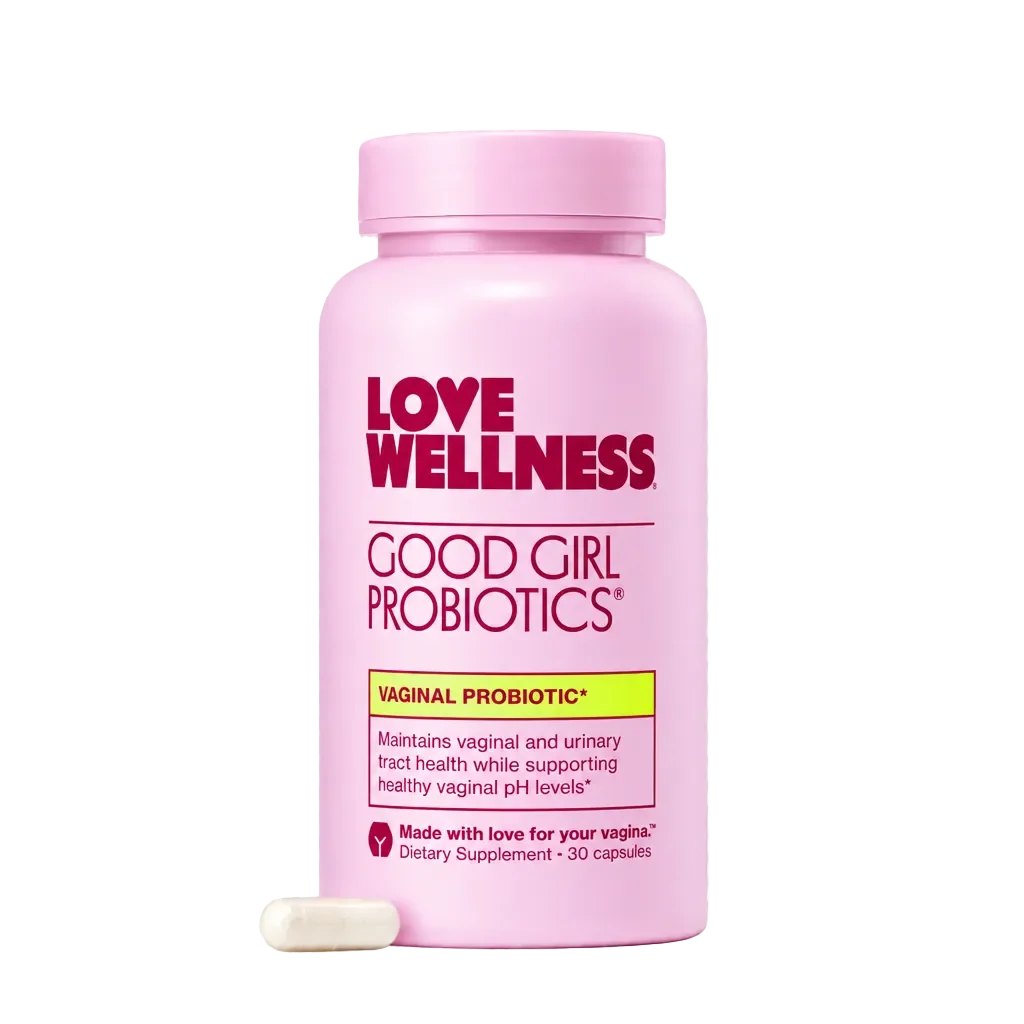
Good Girl Probiotics forms our central vaginal health anchor. The pack calls it a clinically studied, OB GYN developed 9 strain vaginal probiotic for daily support from within. Take one capsule a day. That phrasing is deliberate. I describe what the brand formulated and what the pack displays, not what it will deliver for any single user.
Seed to Capsule wants origin and proof. Here is how I suggest you read it for routine building. A probiotic begins not in soil but inside a fermentation tank. Every strain grows under managed conditions, then is harvested, dried and blended toward a target fill weight before encapsulation. Standardised here signals that every lot is made to hold the same strains at the same labeled count through end of shelf life, and that the batch certificate of analysis verifies identity and count plus checks for heavy metals and microbes. We formulate alongside medical experts and doctors and we confirm through independent clinical studies. What I can point to here is the strain list in the Supplement Facts panel, the lot code and the third party file behind it. What I cannot list in this talk is the contract grower per strain, since fermentation vendors rotate and their locations stay proprietary. A full view would publish the grower, the harvest date, the extract equivalent where applicable, and the certificate per lot.
From a label view, a gummy needs syrups and acids to chew well, which leaves less room for actives. What is wrong with that format for a daily habit.
Some formats spread across the wellness industry because they simplify your daily routine. Humans by nature keep hunting for the shortcut. We keep hunting for the silver bullet and the easy path. And gummy vitamins sound great in theory, but in practice the story reads much differently. That explains why we reject the gummy format as efficacious.
Viewed on a label, a gummy calls for sugar or syrups, flavors and acids for chew, which crowds out actives and adds elements I avoid in daily care. The Supplement Facts panel shows the pattern. Serving size rises, sugars show up, and the other ingredients line grows long. A capsule or tablet can hold a studied amount of enzymes, herbs or strains with fewer carriers, and the certificate can confirm count or activity without adjusting for candy texture. I love science. I love facts. I love double blind placebo studies, but I remain open to observational studies and anecdotal evidence too. I sit in the middle on the wellness debate. So I stay with formats that keep testing legible. Capsules, suppositories, a plain cleanser. No extremes, no judgment, only forms where the label can show what sits inside.
You benchmark body care to EU standards and leave sugar, fragrance, parabens and glycerin out of personal care. Your pH Balanced Cleanser has no added scent and was created with OB GYNs. What sits inside that bottle chain, and why those refusals.
The pH Balanced Cleanser ranks as our leading personal care seller. It is presented as a clinically studied, OB GYN developed, fragrance free cleanser gentle enough for sensitive skin. Standard size is 14.99 dollars and jumbo is 24.99 dollars. Use is straightforward. Use it on damp skin in the shower as your vulva wash. The store page lists it as gluten free, dairy free and vegan.
The chain runs shorter than a capsule yet stays precise. Water, surfactants and humectants mix in a vessel by lot, pH is adjusted, then bottles are filled. Fragrance free signals no added perfume, which counts because perfume often irritates. I prefer to benchmark to EU cosmetics standards rather than accept legacy US drugstore formulas, since the EU restricts or bans many cosmetic components still permitted in the US. I exclude sugar, fragrance, parabens and glycerin in personal care because those inputs can feed unwanted growth, cover odor, preserve in a manner I reject, or alter feel in a sensitive area. I also hold that we should support gut, vaginal and hormonal links at the microbiome level rather than address symptoms alone. The bottle enumerates every ingredient in descending order. What the label omits is the supplier per surfactant and the audit behind it. That detail remains in manufacturing records, not on pack.
I value asking questions, seeking solid care, and understanding what enters my body.
Lauren Bosworth
Bye Bye Bloat blends digestive enzymes with herbs and holds a clinically studied claim. Trace that one backwards too, from capsule to harvest to drying and extraction, and where does it sit in a meal routine.
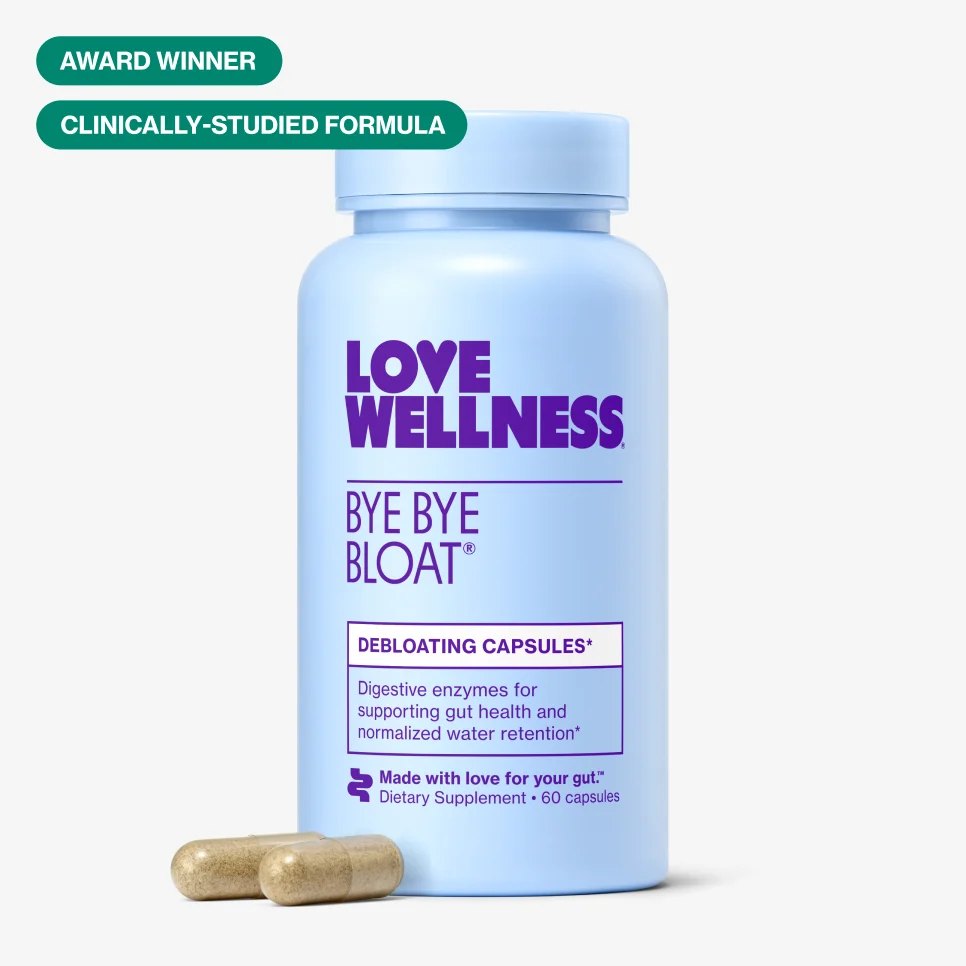
Bye Bye Bloat stands as our viral bestseller. The store copy calls it a clinically studied blend of digestive enzymes and herbs that is gluten free and dairy free. Usage follows the label. Take 1 to 2 capsules with food or on an empty stomach. The price was 24.99 dollars for standard and 59.99 dollars for jumbo at the time of our brief. That is what the label establishes.
In reverse, it follows two chains. Enzymes come from fermentation. They grow in tanks, pass through filtration, dry to powder and receive an assay for activity, which gauges function per milligram rather than weight alone. Herbs begin in fields. Leaves or roots are collected on a date, dried to manage moisture, milled, then extracted using water or alcohol toward a stated extract ratio. That ratio conveys how much starting plant forms one part extract. Powders are blended, tested, then moved to encapsulation where fill weight is monitored so each capsule carries the same blend. I framed the formula without sugar and to a gluten free and dairy free standard, and I hold the other ingredients line brief enough to read. The opaque stage matches most US supplements. I can link the lot to the ingredient supplier and the finished batch to its assays, but I do not print the farm name and field for each herb in each lot. That is the record to request.

Taking vaginal health plainly on Instagram in 2016 felt embarrassing and cringe to viewers, and you said running a wellness brand was not cool then. Why use clear language now, and what shifted by 2026.
It was not cool in 2016 to run your own wellness brand. When I discussed my health on Instagram, viewers reacted that it was so embarrassing and cringe. Yet a decade on, the status quo has shifted rather fast. I feel glad I continued speaking.
I am Lo Bosworth Natale, founder and CEO of Love Wellness, new mom, and a person who values her health and still eats fast food. My philosophy stays pretty simple. Looking after yourself should not demand extreme measures. I hold that you should ask questions, seek good care, and understand what you place in your body. I also hold that lunch should not demand an investigation. That shaped the tone I sought from day one. Direct, practical, non judgmental. The wellness category stays tricky because plenty of weird woo woo circulates, but much activity lacks research or funding behind it. I enter the category with an open heart and mind. Each body differs. Happiness forms an important part of wellness.
The Killer boric acid suppositories and Flora Power probiotic suppositories are bold and clear. How should a careful buyer read those labels at the nightstand, and what testing sits behind a vaginal suppository.
The Killer is an OB GYN created boric acid suppository studied clinically to support vaginal health. The retail price is 17.99 dollars. Use follows directions as a vaginal suppository. Flora Power is a probiotic plus vitamin C suppository for focused vaginal pH care at that price. Those facts are the labels. I convey what the brand supplies and what the pack displays.
A suppository chain stays exact because the dosage form stays simple. Boric acid powder is obtained to a grade, checked for identity and purity, loaded into shells to a uniform fill weight, then reviewed for content uniformity and dissolution in lab records. Probiotic suppositories add strain identity and count through shelf life, plus a vitamin C assay. Each lot should carry a certificate of analysis and, where stated, a third party screen for heavy metals and microbes. I created these with doctors and confirmed through independent clinical studies. For the careful buyer at home, study the Supplement Facts or drug facts panel first, then the other ingredients line, then directions and warnings. Never split or share suppositories between people. Save the lot number in case you ever query a batch. What stays opaque here matches the pattern elsewhere. The mine or plant behind boric acid and the fermentation site behind the strains sit in supplier files, not on pack.
Millions of customers since 2016 and placement in Target, Walmart, CVS and Ulta changed your scale. What does growth alter for sourcing, batch control and outside seals, and what proof comes next.
Scale alters paperwork before it alters product. As bestsellers such as Bye Bye Bloat, Good Girl Probiotics and the pH cleanser entered Walmart, Target and Ulta, lot sizes increased and record keeping grew stricter. Every finished lot still requires its certificate of analysis, and retail partners layer their own compliance reviews. Third party seals vary in value, so I advise shoppers to read what the seal actually assessed. Identity, potency, heavy metals, microbes. A seal on front means little absent the assay behind it.
Greater openness would mean publishing supplier name, harvest or fermentation date, extract ratio or strain count, and certificate number for every lot, plus flagging when a supplier rotates. I prefer to pair double blind studies with open minded anecdotal evidence rather than reject either, and I prefer to keep wellness modern and free of judgment rather than extreme or shame based. Serving women better since 2016 means naming growers when I can and stating plainly when I cannot yet. If a stage stays opaque, I want the buyer to grasp which document would fill the gap.
Closing note from the desk
What remains is the drugstore picture. A founder under fluorescent tubes, turning packs over while managing unnamed symptoms, discovering that perfume and sugar carried a price. That recollection now guides lot files and label calls more than any tagline.
Love Wellness aimed to deliver care that stays modern and free of judgment, rooted in the microbiome, measured against stricter body care rules where US rules permit more. The trail is incomplete, as most trails are. Strains and enzymes are verified by lot, herbs carry ratios, cleansers disclose all ingredients. Farm names and fermentation locations stay in files. The brand reports what the label substantiates and leaves the remainder to records a shopper can ask for.
Product spotlight
Keep Bye Bye Bloat in routine for 24.99 dollars standard and 59.99 dollars jumbo. A capsule mix of digestive enzymes and herbs called clinically studied and gluten free and dairy free. It is framed for post meal bloating. Take 1 to 2 capsules after a meal or before, per pack directions.
Keep Good Girl Probiotics in routine for 24.99 dollars standard and 59.99 dollars jumbo. A daily capsule called a clinically studied, OB GYN developed 9 strain vaginal probiotic for support from within. It is framed for daily vaginal care with gut balance. Take 1 capsule a day, per pack directions.

Ashley Chen
Ashley produces the interviews at The Daily Capsule: the research, the question lists, the follow-ups. Her favorite question comes last, when she asks a founder exactly when, and with what, they take their own product.
More from Ashley Chen →