Take it with breakfast and keep taking it. That practical test sits behind every answer Julie Sawaya gives about Needed.
Needed began not in a boardroom but in student housing near Stanford, where two neighbors kept bumping into each other at the farmers market.
Julie Sawaya and Ryan Woodbury lived door to door during their first year at Stanford Business School. Both had worked in finance and investing. Both had completed nutrition certifications for personal interest. Both bought produce with care and assumed their own habits were solid. Then at home nutrient tests in 2016 showed almost every marker in the red zone. For careful eaters, that result pointed less at willpower and more at a gap between label promises and morning behavior.
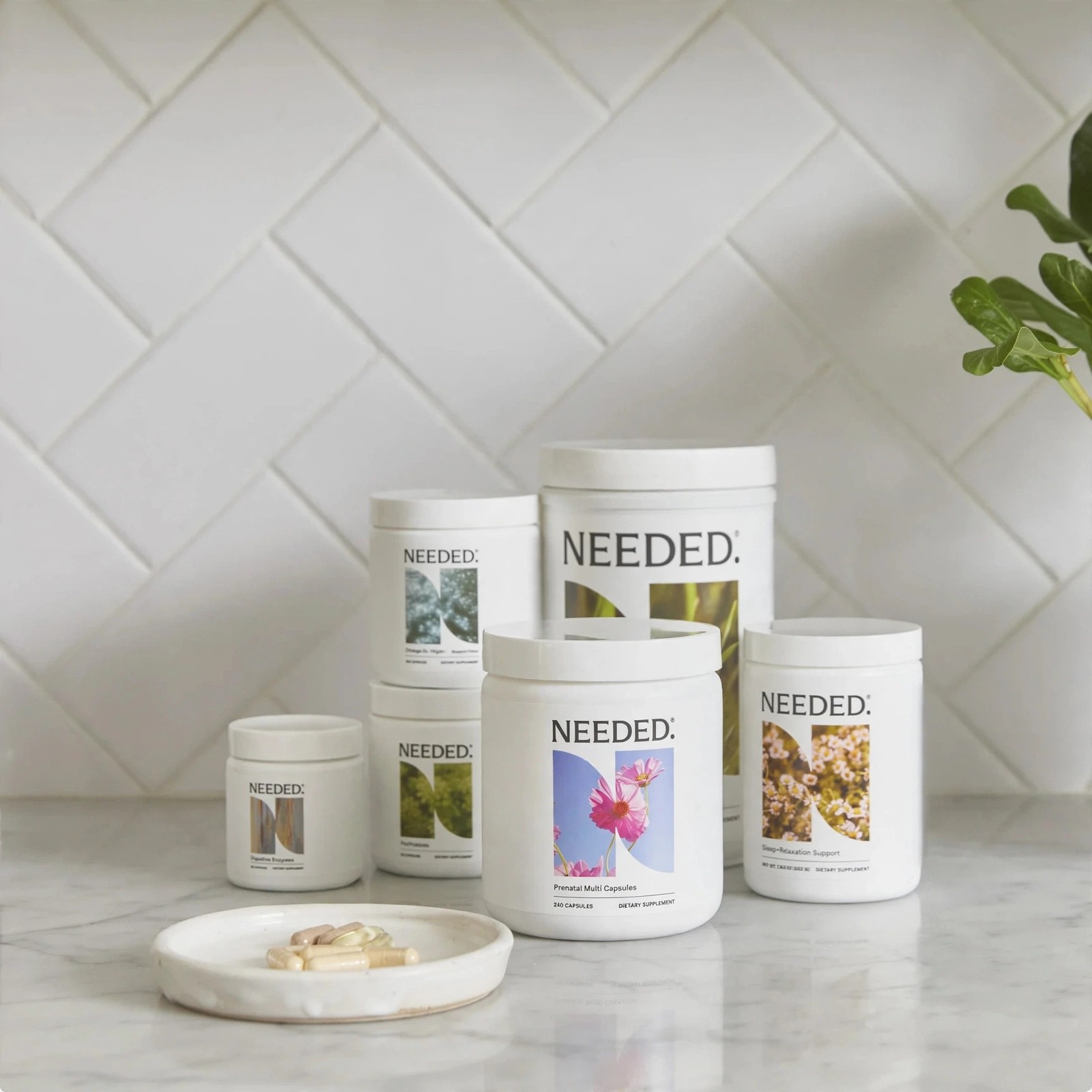
What grew from that hallway is now known as Needed. The company presents as a women led group of nutrition nerds, mothers to five young children, supported by a collective of more than 20,000 practitioners who test nutrient and hormone levels. The center is called the Nutritional System, built around a Prenatal Multivitamin with 22 nutrients in three capsules each day plus a companion omega 3. The stated aim is radically better nutrition to address depletion before, during and after pregnancy, formulated around what the founders call optimal nourishment rather than the smallest amount needed to avoid disease.
The Daily Capsule reads that promise as a routine question. Seed to Capsule might trace a capsule to the field. Here we ask where the jar lives, what time it gets opened, what it gets taken with, and how the pieces fit without overlap. Needed invites that use. Every batch is third party tested, every nutrient form and dose was vetted through clinical research and practitioner interviews, and the founders trace several hundred conversations with OBs, midwives, naturopaths, nutritionists and dietitians to their second year at Stanford. Where the chain remains hard to see from outside, this interview states it directly.
You met as next door neighbors in year one at Stanford Business School, both from finance and both holding nutrition certifications. What did that shared hallway allow for a daily routine that a lab alone could not support.
We lived door to door actually in our first year at Stanford Business School. That detail counts because we shared student rhythms, passed in the same hall, bought food at the same farmers market, and started to consider future motherhood. We kept noticing how little nutritional support existed. We both arrived from finance and investing, so we could parse a market, and we had both finished nutrition training because the topic mattered to us personally.
Stanford let us pressure test the concept rather than only discuss it. During the latter part of second year we ran the idea through classes. Nothing substitutes for that direct consumer or in our case practitioner interview. We held several hundred of them. We met with women and with OBs, midwives, naturopathic doctors, nutritionists and dietitians. We sought to better understand and meet the needs of our consumer. What we kept hearing was that prenatal vitamins really are not cutting it for the vast majority of women. That hall became a research effort, and the research effort became three years of development before we sold anything.
You both ran at home nutrient tests in 2016 expecting steady results, and instead nearly every marker came back depleted. Take us back to that lot and that kit and that kitchen table moment when the routine had to change.
In 2016 at home testing was getting easier to access. We bought the kits believing they would affirm we knew our stuff. We ate with care, we scanned labels, we acted with intent. Then the panels returned and we were both massively depleted, with nearly every nutrient in the red zone. It humbled us. You assume your prenatal supplement will close the gap, but ours showed it had not.
That prompted us to ask why nutrition for fertility, pregnancy, and postpartum receives so little attention. We found that 97 percent of pregnant women take a prenatal vitamin, and yet 95 percent are nutritionally depleted. Just because a low result is common does not mean it is normal for a morning routine. It signals the paradigm sits too low. We think the perinatal nutrition model, at least in the US right now, is enormously broken for daily habits. Most prenatals are built around RDAs to avoid disease, not to support optimal levels. We chose to formulate around optimal nourishment, even if explanation took longer and cost more.

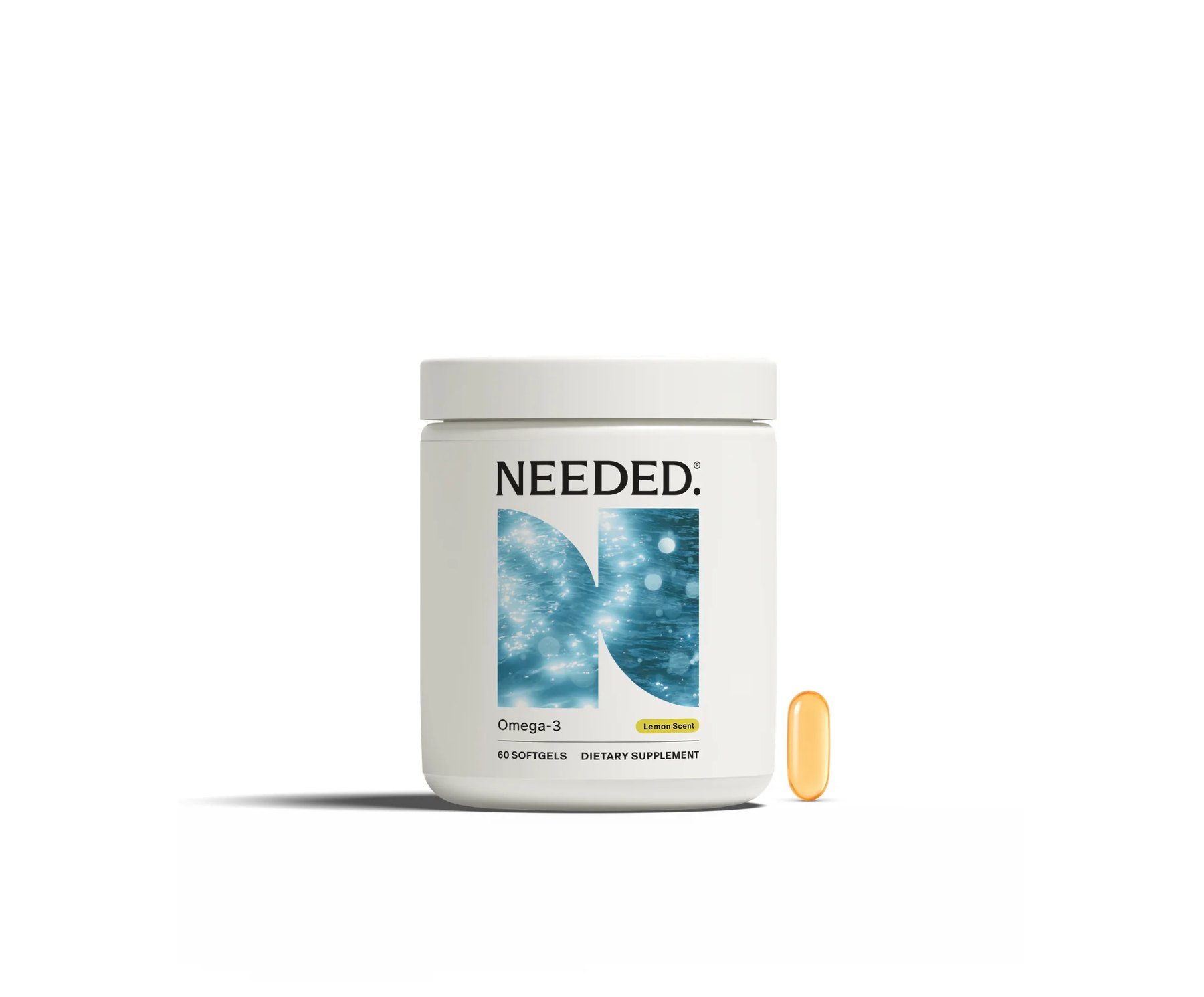
Your Womens Omega 3 gives 1,000 mg of DHA plus EPA per day in original or lemon fish oil to take with food. Why keep fish oil as its own morning step instead of moving everything into the multi for stacking.
Because volume and chemistry impose boundaries. To supply 1,000 mg of DHA plus EPA at steady potency, you require an oil quantity that will not fit inside a three capsule multi with 22 other nutrients unless pill burden becomes unworkable. So we left it apart, as a separate softgel with a daily amount printed on the label, in original or lemon. The label states it supports brain, heart and hormone health as part of daily intake, and the product page combines it with the multi in plans.
Traceability in this case begins on the water, not inside our facility. We purchase sustainably sourced fish oil, then verify identity and potency and screen for contaminants including heavy metals like mercury, plus oxidation markers that reveal how the oil was treated after catch and during encapsulation. Fish oil reacts to heat, light and oxygen, so drying is not the concern here, handling is. Fresh oil, sealed fast, kept cool, tested by lot. The lemon option leaves the DHA plus EPA amount unchanged. It alters taste and smell, which affects adherence in pregnancy when burps and nausea determine whether a capsule gets swallowed. A system only functions if people can take it daily.
You say most prenatals are built around RDAs and around pill count, price point and margin, not routine. Your Prenatal Multivitamin instead packs 22 nutrients into three capsules a day to take with breakfast. How did you choose that fill weight for a habit that still holds on a rushed Tuesday.
We declined to begin with pill count. Many products are white labeled standard prenatals with only branding tweaks, sized to fit one or two pills and a price. We began with clinical research and with practitioners who test levels each day. We vetted every nutrient form and dose, one by one, for timing and for use with food. Some nutrients called for higher amounts than the RDA to mirror studied levels. Some called for lower amounts, because more is not always better. Folate is the case we cite. We prefer a lower folate dose when lower is optimal rather than pursuing a high dose trend.
Three capsules emerged as the outcome, not the brief. It let us include 22 nutrients at what we call clinically studied dosages, which we describe as eight times more nutrition than the average of leading prenatals. The identical formula is sold as a vanilla powder, one scoop daily, for people who cannot swallow pills. And we decline to sell products that cannot be taken together as a system. The multi, the omega 3, iron, choline, all of it must function as one Nutritional System. That rule is stricter. It means you cannot conceal an overlap or an excess inside a single SKU.
Your practitioner collective now includes more than 20,000 people who test nutrient and hormone levels. What did those charts teach you about daily use that textbooks did not cover.
Textbooks present ranges. Practitioners present volume. They review test after test, woman after woman, showing the same pattern of low vitamin D, low magnesium, low choline, low omega 3 status, even when diets appear sound. They also observe how depletion stretches from trying to conceive into pregnancy and then into postpartum, when sleep runs short and breast milk pulls on stores. Nutrition has the power to change health outcomes for mothers and babies, but only if you measure the routine.
Doctors really are not trained on nutrition, we have utmost respect for MDs, but their training is largely elsewhere. The typical prenatal visit in the US lasts about 12 minutes. That allows time for only bare minimum advice. So we relied on the people who devote an hour to intake and who retest. Across three years we carried papers to them, they carried cases to us, and we revised. That cycle is what we now call the Needed Standard. It is not a seal. It is a method. Review the clinical research, assess the form for absorption and tolerance, verify fit in the system, then test the finished batch.
Folic acid has to be converted by the body to L 5 methyltetrahydrofolate, and you note genetic variation can slow that change. How does that chemistry shape your choice of folate form and dose for daily use with food.
This is where the panel must demonstrate the reasoning. Folic acid is synthetic. For use, it must be converted inside the body to L-5-methyltetrahydrofolate, the active form in circulation. Published work notes that variation in the MTHFR gene can slow that change for some people, which leaves more unused folic acid in circulation without raising active folate as expected. That does not diagnose anyone, it only clarifies why form counts on a Supplement Facts panel.
We decided to formulate with the active folate form directly, and at a measured dose rather than a high one. Our view is simple. We prefer to dose lower when more is not better than to chase a high dose trend because it appears potent on a label. You will find the exact milligrams and micrograms and percent Daily Value on our panel, plus the other ingredients line for capsule material. We want a careful buyer to set that line beside any other brand, nutrient by nutrient, without requiring us in the room. That is what we mean by refusing to leave women guessing without clear information for the routine.
Most prenatals are built around RDAs to avoid disease, not to support optimal levels day to day.
Julie Sawaya and Ryan Woodbury
You state that every batch is third party tested, above what is required for supplements kept at home. For a careful buyer, what does a certificate of analysis actually show, lot by lot, before you restock.
A certificate of analysis is the record for a single lot. It records the batch or lot number, the fill weight, and the outcomes for identity, potency and contaminants measured against a specification. For us that involves confirming nutrients meet label claim through shelf life, and screening for heavy metals, microbes and other contaminants at a third party lab. We third party test every product batch, going above what is required for dietary supplements on the shelf.
What the rules require helps clarify why that counts. Under current US rules, supplement makers must follow current good manufacturing practice, verify identity of ingredients, and keep records, but finished products do not receive premarket approval. Testing every lot at an outside lab is voluntary and costs money and time, because a lot remains on hold for release until results return. We accept that delay. If a lot fails specification, it does not ship. The lot number on the bottom of your jar should lead back to that record. If a brand cannot present that link, with dates and limits, then words like pure do not mean much. Ask for the record behind the word.
Pick three capsules or one vanilla scoop to suit your routine since both hold the same 22 nutrients. What changes in manufacturing and testing between those two forms for storage and morning use.
The nutrient goals remain constant, the carrier alters everything. Capsules require flow, fill weight control and disintegration. Powder requires solubility, flavor, sweetness and mouthfeel, without artificial sweeteners, and it must remain uniform so one scoop matches one serving from top to bottom of the tub. Vanilla must cover minerals like iron and zinc and B vitamins without becoming chalky. That calls for different excipients, different blending times, different moisture controls.
Testing tracks the form. For capsules we assess weight variation, disintegration and potency through the shell. For powder we assess scoop uniformity, moisture and potency in the blend. Extract ratio counts for any botanical in the system, standardized means the extract is adjusted to a stated percent of a marker compound, and fermentation, where applied for an ingredient, transforms the starting material before it ever enters the blender. Every finished lot, capsule or powder, receives its own third party certificate. If a buyer stays with one product for years, as many of our households do, they should be able to track lot to lot and observe the same method, not only the same front label.
Where in your chain can you name the grower and the harvest, and where is it still unclear. What would it take to show it clearly on the bottle where it lives.
We can identify our method and our finished lot outcomes more easily than we can list every field and boat for every nutrient. That is candid. Some ingredients arrive from farms where we know grower, harvest window and drying method. Minerals and fish oils pass through processors where the central trace is the refinery or fishery, the handling record, and the contaminant screen. Extracts state ratio and standardization on their spec sheets, and fermentation inputs state strain and tank records.
What stays opaque from outside is the complete upstream map in one public place, with quantities and dates by lot. To display it would require supplier permission, a shared lot genealogy from raw lot to finished lot, and a label or QR code that opens to that certificate without revealing proprietary blends beyond what the Supplement Facts panel already lists. We stand behind what is traceable today, which is form, dose, system fit and every batch third party tested. The next phase is field and vessel names linked to each lot number. That is the file we are developing, because a careful buyer should not need to accept our word for clean. The paperwork should carry it.
Closing note from the desk
What remains after this talk is a routine you can picture on a rushed Tuesday. Sawaya and Woodbury describe years of interviews, a refusal to white label, a multi set at three capsules because the doses called for it, and an omega kept apart because oil volume requires it. The wording stays within what a label lists and what a lab measured.
Needed set out to address depletion before, during and after pregnancy with doses linked to studied levels and with every batch checked by an outside lab. Set the jars where the morning starts, pair the multi with food as the label directs, keep the oil cool and sealed, and track whether you can stay with it. Talk with your doctor or pharmacist first if you take medication, are pregnant, nursing, or managing a condition. The brand at least tells you what to request, lot by lot, and where the map still needs ink.
Product spotlight
Prenatal Multivitamin, 42.99 dollars for a one month supply to anchor a daily habit. Three capsules daily supply 22 nutrients at what the brand calls clinically studied dosages. Built as the anchor of the Nutritional System, to be taken with food as directed on the label alongside omega 3 and other targeted products without overlap.
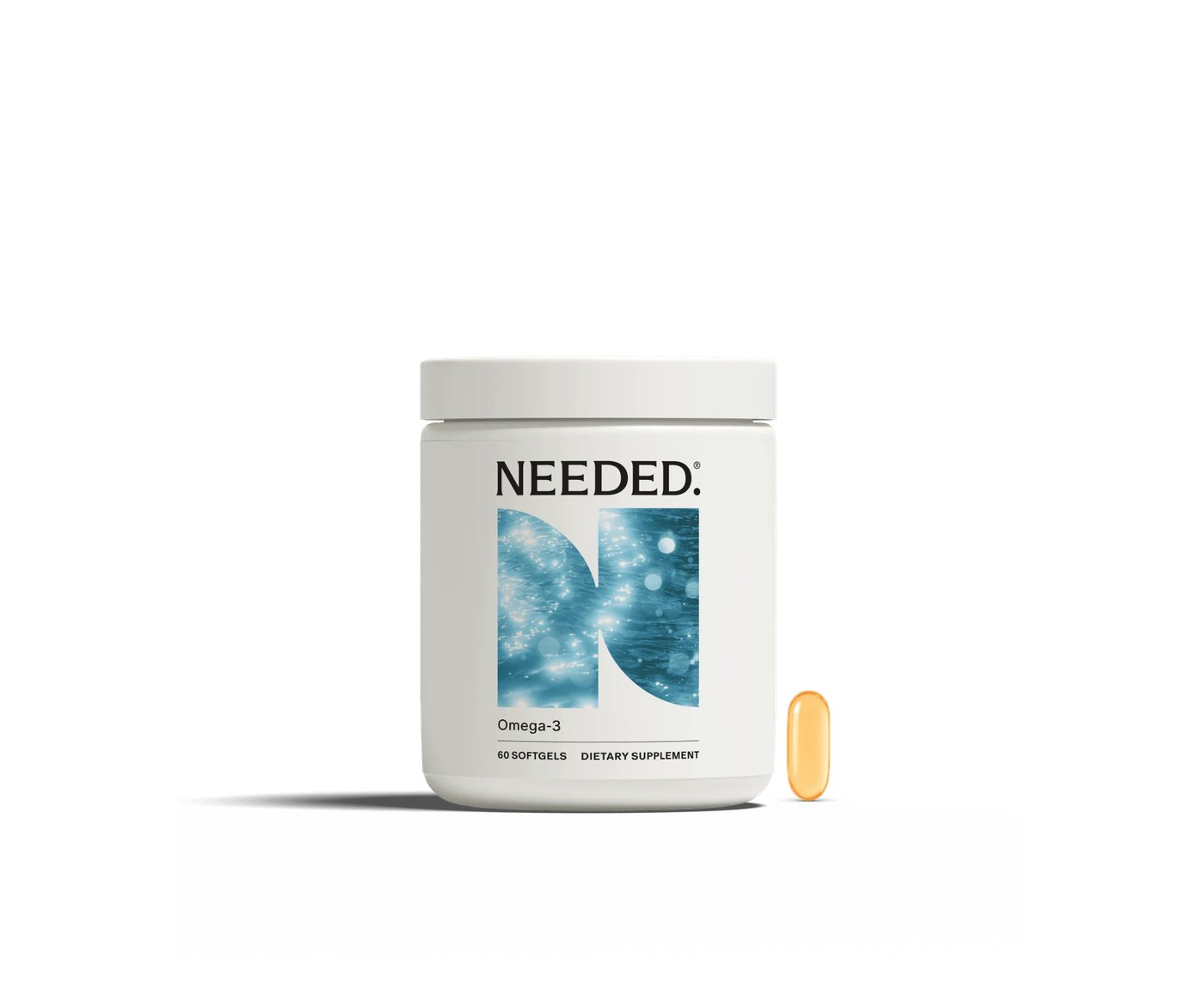
Womens Omega 3, 29.99 dollars for a one month supply of fish oil in Original or Lemon to stack with food. Each daily serving supplies 1,000 mg of DHA plus EPA. Taken daily as the fat based partner to the multi, with storage cool and sealed and use as directed to support routine adherence.


Rachel Chandler
Rachel runs the news desk and the routine guides at The Daily Capsule. She checks every timing tip against the label and keeps a seven-day pill organizer on her desk as a reminder of who the guides are for.
More from Rachel Chandler →