Seven cups a day. That count is where this routine story begins, with a hospital visit, two years of kitchen tests, and a small green shot meant to replace the extra coffee. We look at timing, pairing, and the label facts that help a busy morning hold.
In 2017, after Tilt was bought by Airbnb, James Beshara faced a number he could not ignore. {.dropcap} He had been drinking seven cups of coffee each day. That pattern ended when his pulse stayed above 170 beats per minute for three weeks and sent him to the ER. For someone used to fast software cycles, the message was plain. Take less stimulation and build a steadier start.
What followed was not fast. Beshara gave two years to small trials of what later became Magic Mind before he treated it as a company. He counts three separate launches, each fuller than the prior one, plus nine early months with little grasp of inventory and cash flow until outside financial help arrived. The outcome is a direct to consumer mental performance shot sold in many countries.
What matters for Daily Capsule readers is not only supply, but sequence. The brand describes nootropics, adaptogens, vitamins and functional mushrooms in a proprietary blend. It describes ingredients studied in humans and even energy through the day. It says the aim is focus, energy and calm. Our questions stay on use. When to drink it, what to drink it with, where the bottle lives, and how to judge if the routine fits.
You spent two years adjusting the formula at home before you treated Magic Mind as a company, then you launched three times. Tell us what shifted between launch one, two and three, and when repeat orders showed you it could last as a habit.
The first or second version does not have to reach a 60 percent repeat purchase rate, but once you commit fully, it must. That rule has stayed with me. At the start I carried a software habit. Release, learn, repair. The initial launch was uneven. The flavor was tougher. The stock plan was weak. The next version improved yet still did not earn reorders on its own.
The shift came from care with the formula and with running the firm. We refined the mix. We refined the stock plan. I went through the first nine months almost blind on money and inventory movement before I hired a capable financial consultant and advisor, and that altered the course. By the third launch we owned something complete enough to support. Like Airbnb, Magic Mind went through three separate launches, with each pass more complete. When shoppers joined a subscription by choice, with no discount driving them, I felt we held something ready to grow.
Seed to Capsule traces ingredients backward to the farm. Your label shows a proprietary mix of nootropics, adaptogens, vitamins and functional mushrooms meant to stack in one daily shot. Can you name the growers and the country of origin for the main botanicals, and trace harvest to extract for a steady routine.
I wish I could hand you a neat chart naming each farm. The truthful reply is that some of our chain passes through brokers and outside makers, which is common for a small drink brand yet still hard to see through. We rely on vendors who bring in plants such as green tea, ashwagandha, bacopa and mushrooms from various areas as season and lot allow. They come in as dried crop, then they are turned into a powder or liquid concentrate before mixing.
What I can point to is the stage we manage best, which is the final recipe and the final checks. The stage I want to open up is the farm stage. Which plot grew this lot, when the harvest happened, what the extract ratio was, whether it is set to a marker compound. At present a buyer cannot learn that from our pack. To show it we would have to post lot level source plus a certificate of analysis for every major input, not only for the finished shot. That is effort I plan to take on. It calls for vendor terms and a new way to buy.
You present Magic Mind as a mental performance shot for flow states and productivity to take in the morning. In your store today the core habit rests on Original and MAXX. In plain terms, what sits inside that small bottle, and how should it pair with coffee in a morning stack.
In plain terms, it is a morning shot that joins nootropics, adaptogens, vitamins and, in MAXX, functional mushrooms. Our wording is mental performance shots, flow states and productivity, plus ingredients studied in people. The stated goal is focus, energy and calm with no jitters or crashes, and even energy through the day.
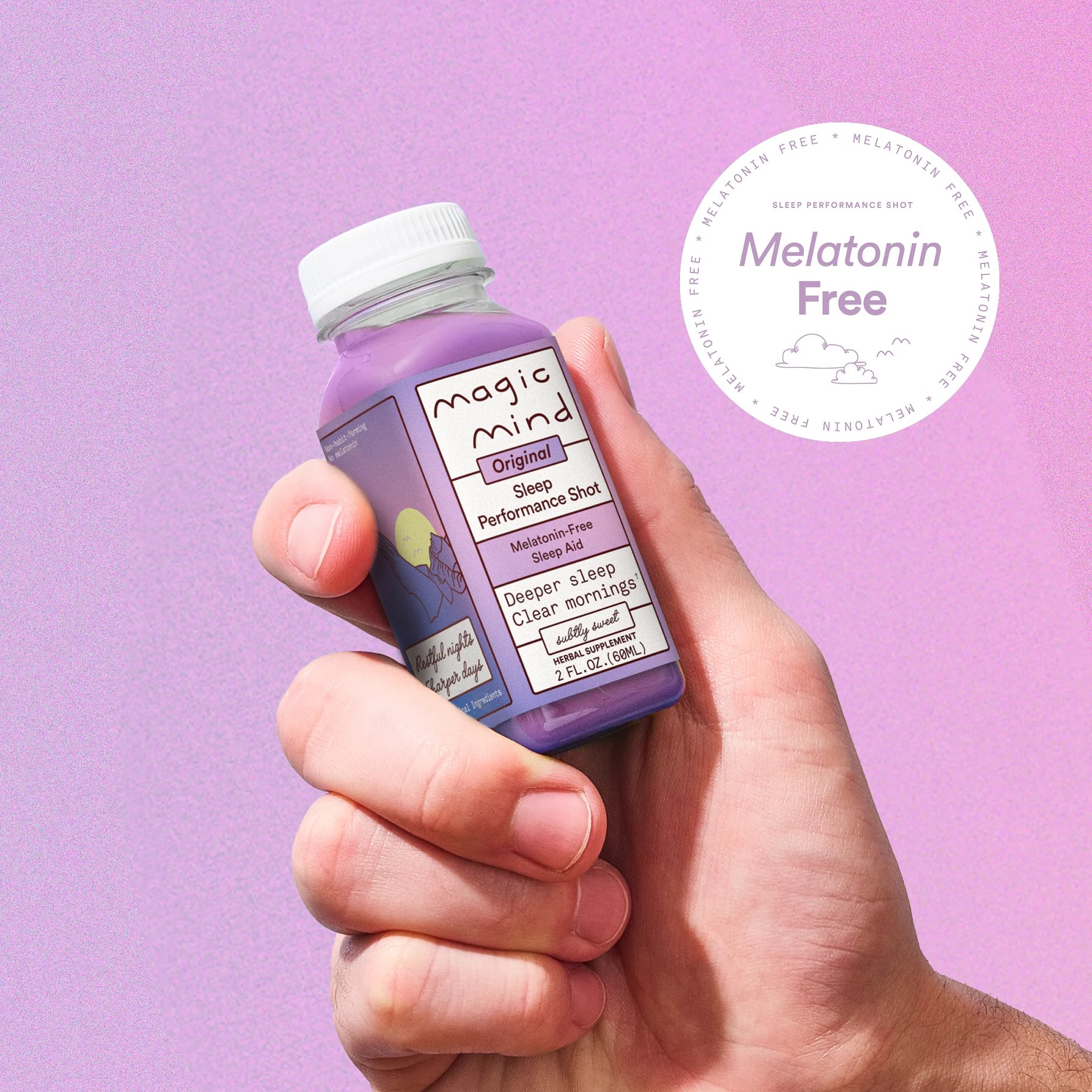
The link to coffee is exact. Original holds some caffeine from green tea, matched with L theanine and other companion parts. Many buyers still brew coffee, but they pour less, or they wait until later in the morning. We also offer a caffeine free choice called Magic Mind FREE for later hours or for folks who skip caffeine. The shot holds two to three ounces per serving. You take it in the morning, often alongside or in place of a first cup. I still enjoy coffee. I simply do not let seven cups run my day.
You made seven cups of coffee part of your daily routine until your heart stayed over 170 beats per minute for three weeks and you went to the ER. What did that stretch teach you about caffeine timing, and what did you choose to study next for a calmer routine.
I saw that added stimulation does not equal added work. I was leading Tilt, fueled by coffee, and I read tiredness as a lack of resolve. Then my pulse would not settle. Three weeks over 170 beats per minute reshapes your view of energy. The ER trip made me pose another question. Not how can I drive harder, but how can I hold attention with no spike and no crash.
So I began to study coffee, caffeine and work output. I read on plant medicine. I spoke with folks who viewed attention and calm as a single system. I never planned to found a drink firm. I planned to repair my own mornings. I gave two years to mixing small sets of ingredients, aiming to save the lift I liked from coffee and drop the shakes. That trial stretch is the true start. No brand, no pack, only tests of what a morning might feel like with more balance.
That lack of clarity matters to readers building a daily habit. When an adaptogen powder joins a shot, what extraction method is used, water, alcohol or something else, and what solvent residues or fill weights should a careful buyer seek in records.
Each plant asks for its own method. Certain ones are pulled with water, certain ones with ethanol and water, mushrooms often with hot water and then drying. The approach shapes what lands in the powder. Water draws some parts. Alcohol draws others. Heat and duration shift yield. Our vendors pick the route per item, then we mix those parts into a liquid shot, not a dry capsule, so fill weight points to fill volume plus solids in each bottle.
What should a shopper review. First, the Supplement Facts panel and the Other Ingredients line, which list amounts and added carriers. Second, whether a proprietary blend gives total blend weight yet keeps single doses closed, which is permitted but keeps dose unclear. Third, sheets covering solvents, germs and heavy metals. If a firm cannot share a certificate of analysis with bounds and outcomes for a lot, read terms like pure as ads. I prefer to state what we check rather than seek faith in a term.
When people subscribed on their own, without a discount pulling them, I knew we had a routine worth scaling.
James Beshara
You use the phrase clinically backed ingredients on pack. What does that mean on your label for daily use, and what testing do you run lot by lot for identity, heavy metals and microbes before a batch ships.
Clinically backed, in our use, points to single parts that have been tested in published human work at a given dose, not to our finished shot passing a drug trial. That gap counts. Supplements sit under food rules, not drug rules. We name what the brand aims toward, focus, energy and calm, and what the pack displays. We make no claim to cure anything.
For checks, each factory run passes normal food safety screens at our outside bottler, with micro screens, and our vendors send specs for identity and impurities. We add finished goods checks for sameness. What we still do not post is the full lot file a careful reader seeks. Identity approach, heavy metal outcomes with bounds for lead, cadmium, arsenic and mercury, micro outcomes, and caffeine count. Even after a decade of progress in eComm, many subscription snags still break a routine. Luckily, Skio is taking on that space directly. I would speak the same way about source clarity. The systems are still maturing.
Your store now offers Original, MAXX, a sleep shot for night use and merchandise like caps and tees. Reports track growth from a four million dollar run rate with one full time employee to a 100 million dollar brand with ten people. How did you keep a perishable, multi ingredient shot in stock through that scale while holding specs firm for daily use.
By keeping staff lean and links with a small set of partners firm. I have been investing for 10 years, with each investment giving a fresh chance to tune my process. I led Magic Mind in that same style. A small crew, plain roles, external pros for money and running the firm, and a partner plant able to fill steadily.
The hazard with a mixed liquid is drift. One extract shifts, flavor moves, caffeine drifts a few milligrams, solids fall. We fixed bounds for Brix, pH, fill amount and taste, and we kept buffer stock of slow inputs. We also learned to map cash around stock, since a shot locks funds in glass, parts and shelf space. Scale made us stricter on bounds, not softer. If a lot missed the mark, it stayed back. That stance is simpler to hold with ten staff than with two, because at last one person guards the files each day.
Taste and stability decide whether a shot stays in the morning lineup. What did you adjust in sourcing or process to make Original easy to drink daily, and what do you still plan to refine in MAXX.
Flavor was the toughest early hurdle. Plants such as bacopa and ashwagandha may taste bitter. Mushroom pulls may taste of soil. Vitamins bring their own edge. Our early builds worked yet were tough to like. We reset sweet balance, acid balance and masking flavor while avoiding a candy profile. We also reset grind size and mix order so the shot pours alike from the first bottle of a lot to the final one.
MAXX raised the bar. Added actives in the same small size mean added contact. What I still aim to sharpen is dose openness. A proprietary blend keeps the label tidy, but it leaves a close reader unsure how much bacopa or lion’s mane sits inside. The next move is either to list more doses or to print the bands we aim for by lot. Stable energy throughout the day is our line. I want the files to support why that line is just, lot by lot.
If a reader keeps one shelf of products for years and buys for a household, what should they read on your label before they subscribe, and what would lead you to publish farm, extract and lab data by lot.
Study the Supplement Facts panel first, then the Other Ingredients line, then the caffeine line. Note serving size, servings in the pack, total caffeine, and whether the box is Original, MAXX or FREE. If caffeine affects you, pick FREE or take it sooner. If you shop for a spouse or parent, scan allergen and sweetener lines together. Save the lot code and best by date until the case is gone. That is how any later query gets solved.
What would wider posting demand. Three moves. First, vendor deals that call for source, harvest date, pull method and ratio for every major input. Second, an outside lab plan that tests identity, caffeine, heavy metals and germs on each lot and shares the sum by lot code. Third, a pack update that splits out doses where we can while guarding the exact build. To put it plainly, getting someone to subscribe to a high quality product takes a fraction of the effort needed to sell an average or mediocre product again and again. Posting the chain forms part of quality. We have not reached that point yet, but that is the shelf we hope to earn.
Closing note from the desk
What lingers is how plain Beshara is about routine over rules. Take the shot at 7 a.m. with water, keep coffee smaller or later, keep FREE for the afternoon, and anchor the bottle to breakfast or the gym bag. Track sleep, track refills, and pause coffee creep when the old seven cup pull returns.
Magic Mind began because seven cups stopped working. The next test is daily use. Keep the dose steady, space other caffeine, save the lot code, and talk with a clinician if you take meds, expect a child, or manage a condition.
Product spotlight
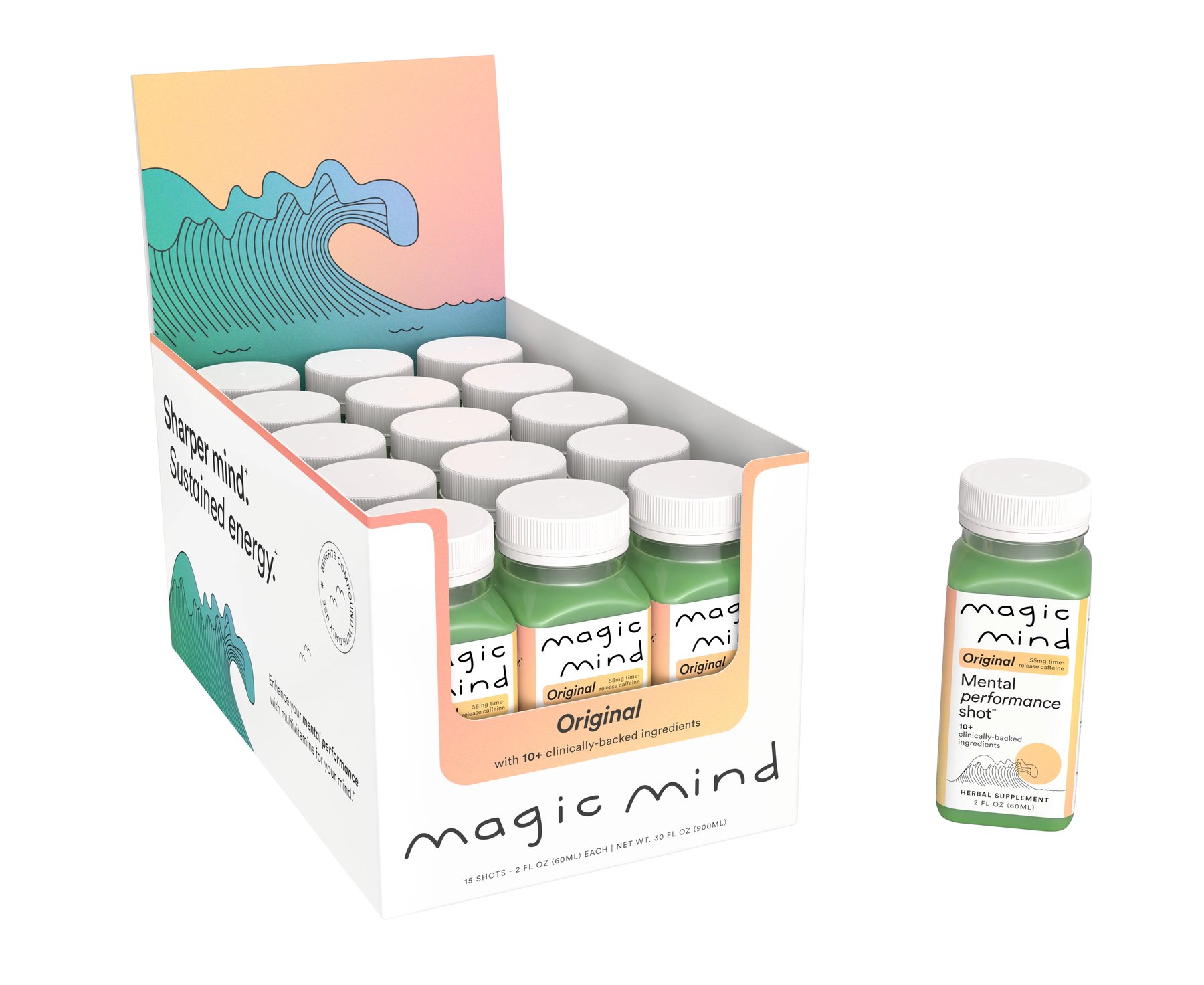
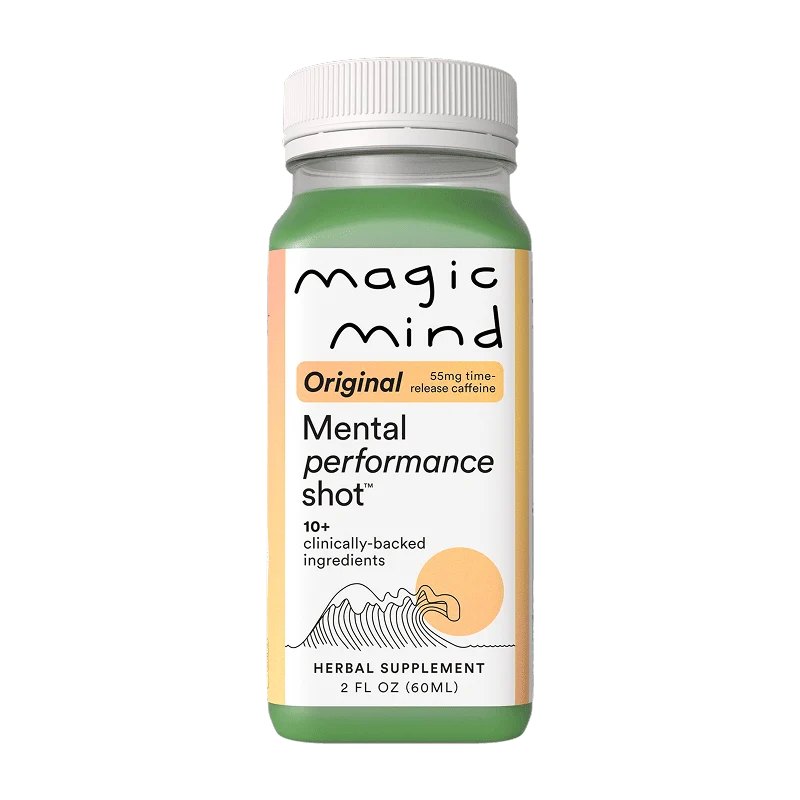
Magic Mind Original is a two ounce morning shot offered as 15 bottles at 74.25 dollars. The pack names a proprietary mix of nootropics, adaptogens, vitamins and caffeine from green tea. The brand says it may support focus and even energy. Take one chilled bottle in the morning, shake first, with coffee or in place of a first cup.
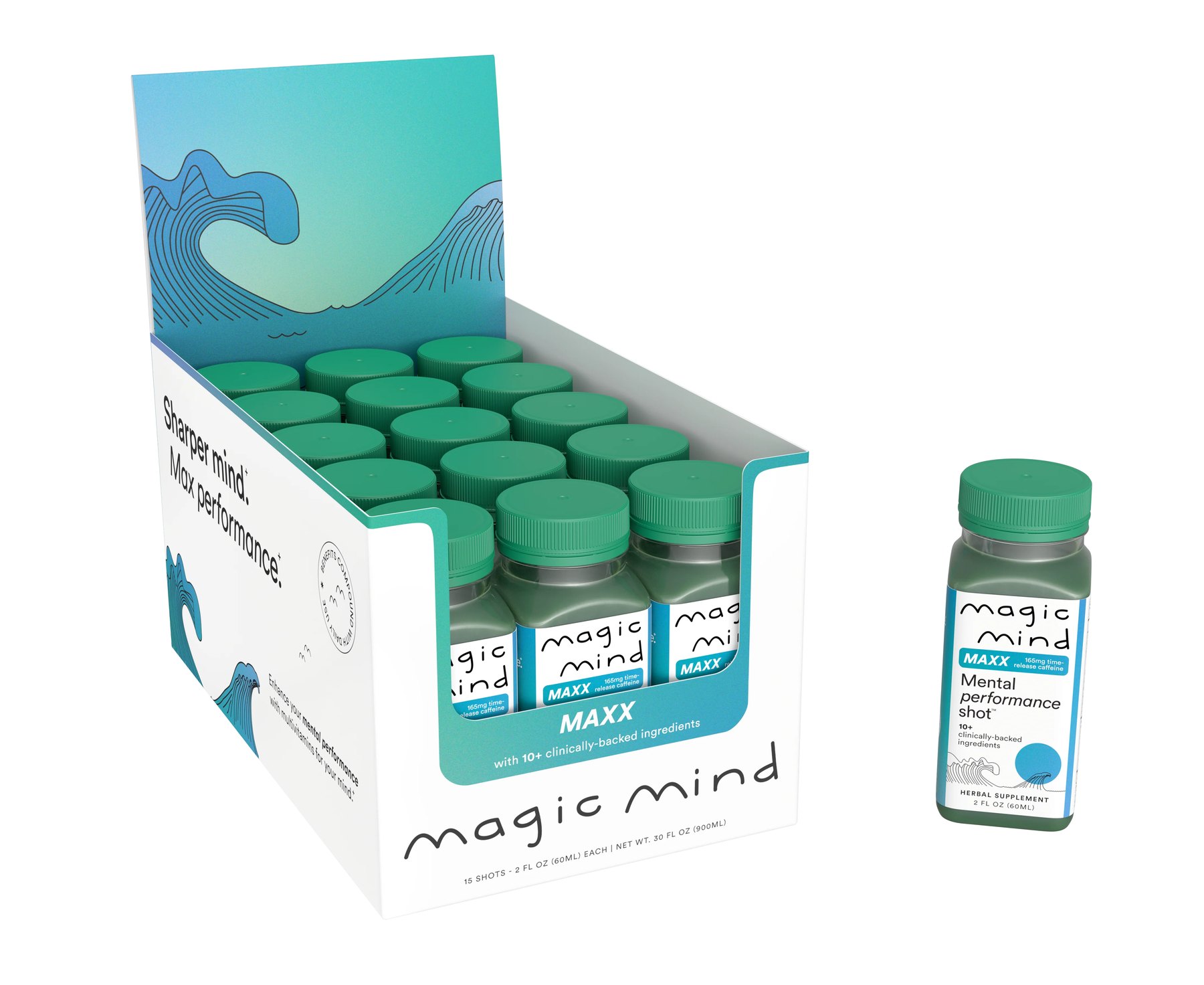
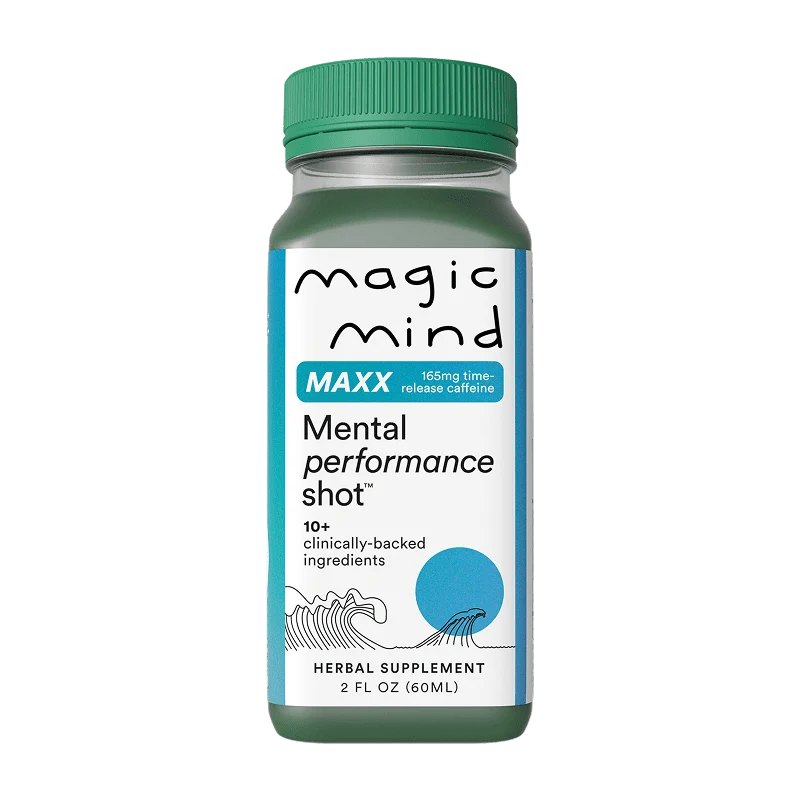
Magic Mind MAXX is a two ounce morning shot offered as 15 bottles at 74.25 dollars. The pack names a proprietary mix with added functional mushrooms plus nootropics, adaptogens and vitamins. The brand frames it as the fuller daily build. Take one chilled bottle in the morning, shake first, and review total caffeine before you pour coffee.

Ashley Chen
Ashley produces the interviews at The Daily Capsule: the research, the question lists, the follow-ups. Her favorite question comes last, when she asks a founder exactly when, and with what, they take their own product.
More from Ashley Chen →