- Warning letters are going to compounders as GLP-1 shortages close and approval gaps stay open
- Dosing slips and changed formulas sit behind a sharp rise in poison control calls
- Pause your routine and check approval, salts, extras and dose with your prescriber
Semaglutide stays blocked by patents until at least 2032, with tirzepatide patents holding until 2036, after FDA allowed compounding of GLP-1 drugs during shortages beginning in 2022. Those shortages have ended, and Stanford Medicine reports the FDA has begun issuing warning letters to compounding pharmacies over unfounded claims about compounded versions. The FTC shows an action titled TruHeight, In the Matter of, dated July 15, 2026, listed under health claims cases.
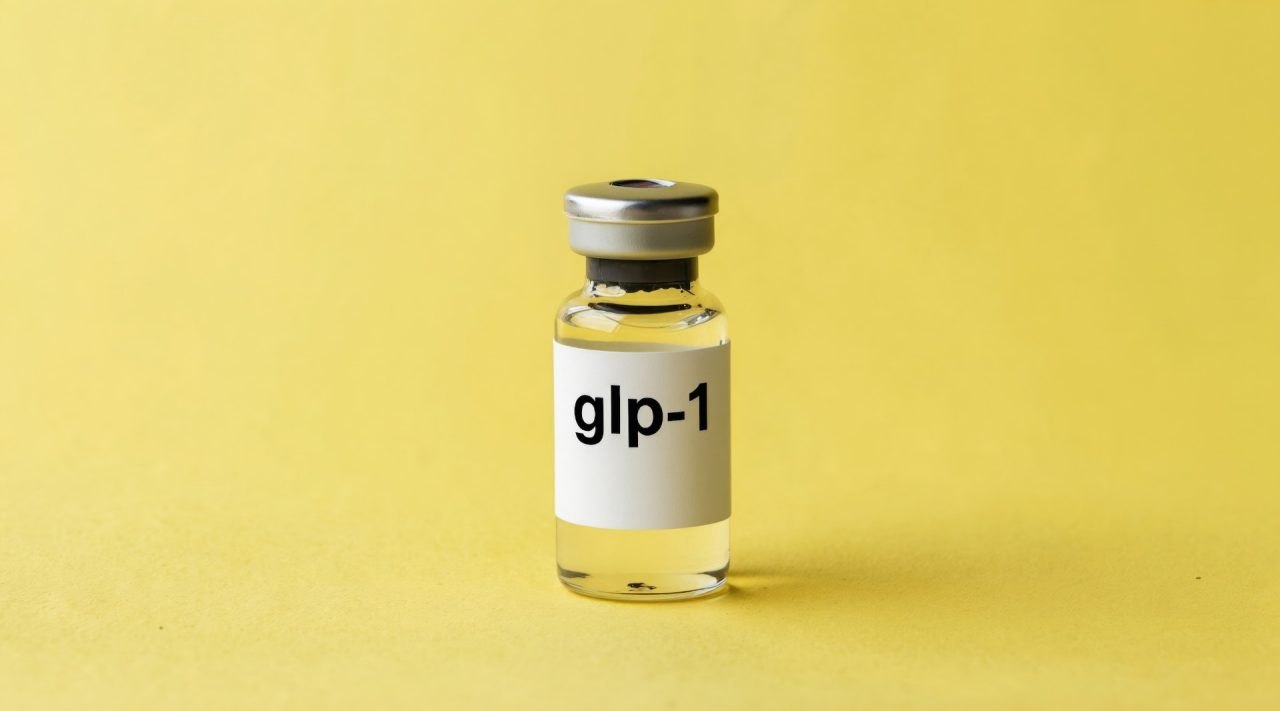
GLP-1 means glucagon-like peptide-1, a gut hormone involved in blood sugar and appetite control. Drugs that turn on its receptor repeat that signal in the body Ozempic, Wegovy and Rybelsus contain semaglutide, while Mounjaro and Zepbound contain tirzepatide.
Copies made by compounders lack the FDA approval held by brand-name products. At the high point during 2024, nearly 1 in 3 Americans using a GLP1 drug said a compounding pharmacy was the source. Patented GLP-1s carry list prices above $1,000 per month, and clinicians say the cost and access pressures pushing people toward compounded options are genuine.
Chemistry often shifts in small print. Certain compounders use salt forms like semaglutide sodium, which are unproven for safety and effectiveness in people and lack FDA approval. Many mix in vitamin B12 plus extras such as B6, niacinamide, glycine or carnitine with no proven value for weight loss or diabetes care. A 2026 study showed tirzepatide mixed with B12 can join together, creating a new molecule absent from the FDA-approved medicine, a result Eli Lilly also reproduced.
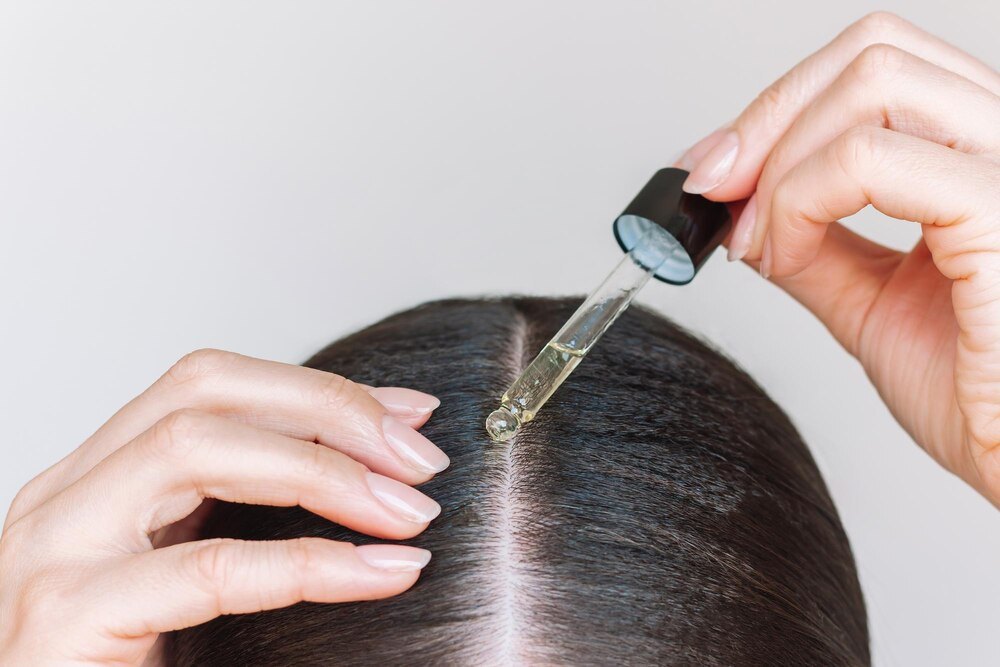
Dose mistakes add further risk. The FDA has pointed to cases where people using multidose vials took 10 to 20 times the prescribed amount in error. Some compounding pharmacies sell sublingual drops or dissolving tablets of semaglutide or tirzepatide that were never studied in clinical trials Poison control centers in the U.S. have logged a more than 15-fold increase in calls tied to injected weight-loss drugs since 2019.
The FTC gave final approval to an order against telehealth provider NextMed and principals Robert Epstein and Frank Leonardo concerning GLP-1 weight-loss programs. In its July 2025 complaint the FTC alleged NextMed marketed weight-loss programs with hidden costs, unsupported weight-loss claims, false testimonials and skewed reviews. The final order calls for payment of $150,000, expected to fund consumer refunds, and calls for competent and reliable evidence behind claims about average or typical results.
Marina Basina, MD, clinical professor in endocrinology, gerontology and metabolism, said using compounded drugs with GLP1s without medical supervision carries serious risk and can cause serious outcomes.

Jonah Keller
Jonah looks after the brands The Daily Capsule works with and makes sure every sponsored page is labeled as one. He spent five years running subscriptions for a vitamin company in Brooklyn, which taught him how many bottles never get opened.
More from Jonah Keller →