- Low risk lifestyle products remain outside strict device enforcement under updated FDA policy
- A sleep therapy device recall drew a clear line at 20,160 affected units
- Wellness device sales keep growing as shoppers sort lifestyle tools from medical care
Your routine does not change if you use low risk wellness products for general healthy habits. That boundary was restated in Food and Drug Administration revised guidance issued January 6, 2026, and it framed an August 19, 2026 Class I recall in the United States covering 20,160 BMC Luna G3 APAP Model LG3600 devices.
The guidance is titled General Wellness: Policy for Low Risk Devices. It replaces the 2019 guidance and covers low risk products that support a healthy lifestyle.
Software functions meant only to maintain or encourage a healthy lifestyle unconnected to diagnosis, cure, mitigation, prevention or treatment fall outside the medical device definition under Section 520(o)(1)(B). Non-software products with that same purpose receive enforcement discretion, which means the agency does not plan to enforce requirements under the Federal Food, Drug, and Cosmetic Act.
Drugs, biologics, dietary supplements, foods, cosmetics regulated by other FDA Centers or combination products fall outside the policy. Non-invasive products that estimate blood pressure for wellness purposes may qualify when the intended use remains strictly wellness focused and other conditions are satisfied.
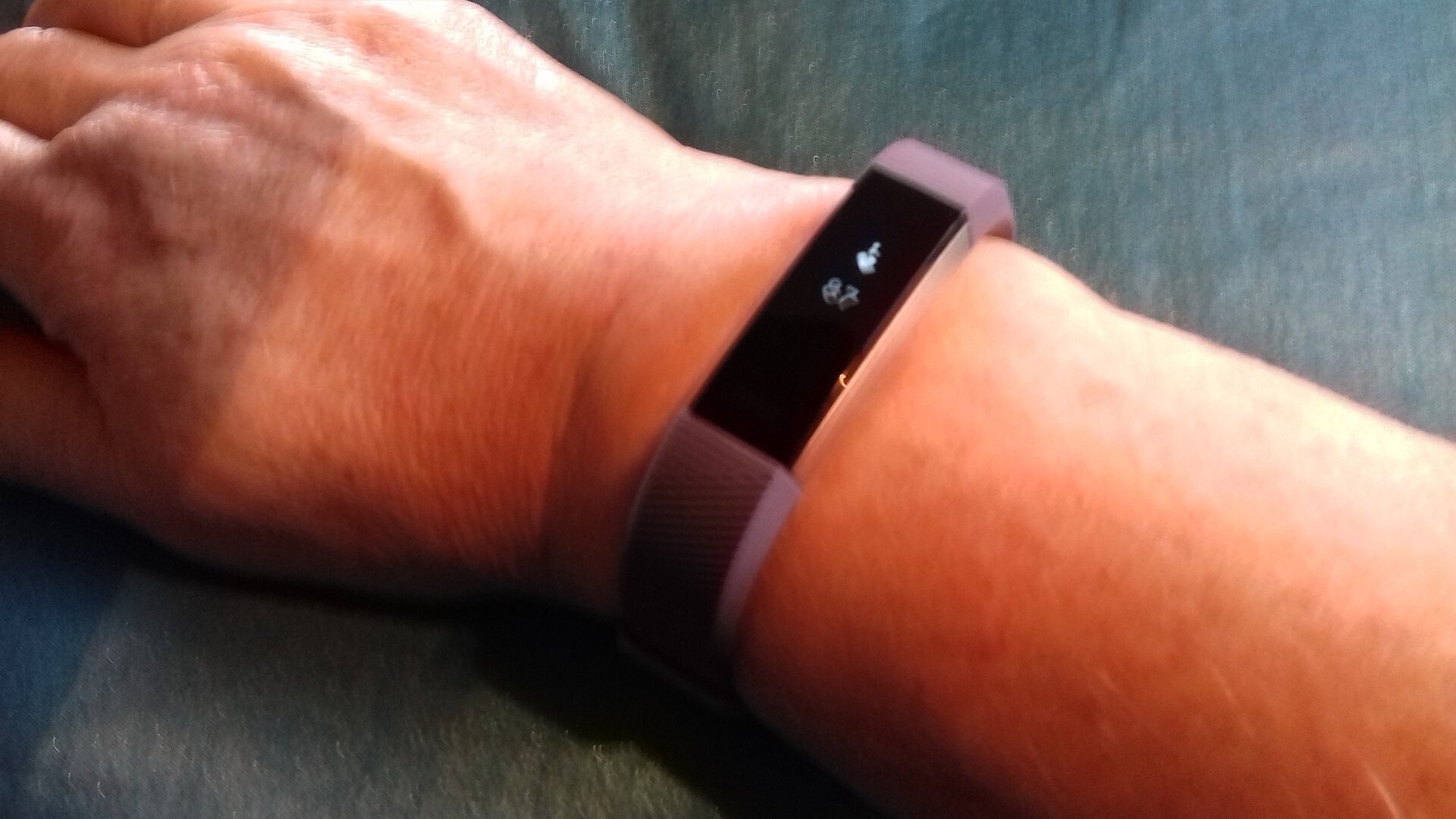
A wearable that estimates blood glucose to track nutritional effects may qualify when it is specifically contraindicated for use with diabetics and pre-diabetics. A blood glucose wearable that uses minimally invasive microneedle technology does not count as low risk even when claims stay purely wellness oriented.
Sensor based wellness products leave the general wellness category when they prompt specific clinical action, provide treatment guidance, or measure for screening, diagnosis, monitoring or management of disease. They also leave it when they claim to replace an FDA cleared device or when they refer to specific diseases or diagnostic thresholds.
The Luna G3 APAP recall showed where that limit continues to hold. BMC Medical Co., Ltd. reported the recall on July 15, 2026 following identification of a firmware defect, and FDA assigned Recall Number Z-2979-2026.
Firmware version G3-2.00.76 could cause an error message followed by automatic shutdown and failure to deliver therapy during high pressure, high respiratory rate and high peak flow. BMC loaded firmware version G3 2.00.77 onto 20,160 devices at the United States importers warehouse from October through December 2024, yet later review suggests up to 196 units may have missed the update, so check where your unit lives in that routine and confirm it took. As of the September 8, 2026 notice, BMC had logged no complaints or serious adverse reports. It remains unclear whether any missed units are still in daily use, so it helps to track what you take, when you take it, and how to tell whether it is doing anything.
Forecasts point to continued growth on the wellness side of that line. The North America medical wellness devices market is valued at US$44.4 billion in 2026 and expected to reach US$71.8 billion by 2033 at a compound annual growth rate of 7.1 percent, which makes a steady habit worth building now. The United States is anticipated to account for 80 percent market share in 2026, while Canada is described as the fastest growing region, so anchor your timing to morning or night and keep the routine steady.
Diabetic monitoring devices are projected to represent 37 percent of revenue share in 2026, and retail sales are anticipated to account for over 62 percent, so note what to take it with and what sits well together. Consumer grade devices still face questions about inconsistent readings compared with hospital grade equipment, alongside data privacy concerns, so hang use on food or training and watch results over time.
Track whether actual 2026 retail sales align with forecasts, and how validation guardrails develop for everyday trackers.

Jonah Keller
Jonah looks after the brands The Daily Capsule works with and makes sure every sponsored page is labeled as one. He spent five years running subscriptions for a vitamin company in Brooklyn, which taught him how many bottles never get opened.
More from Jonah Keller →