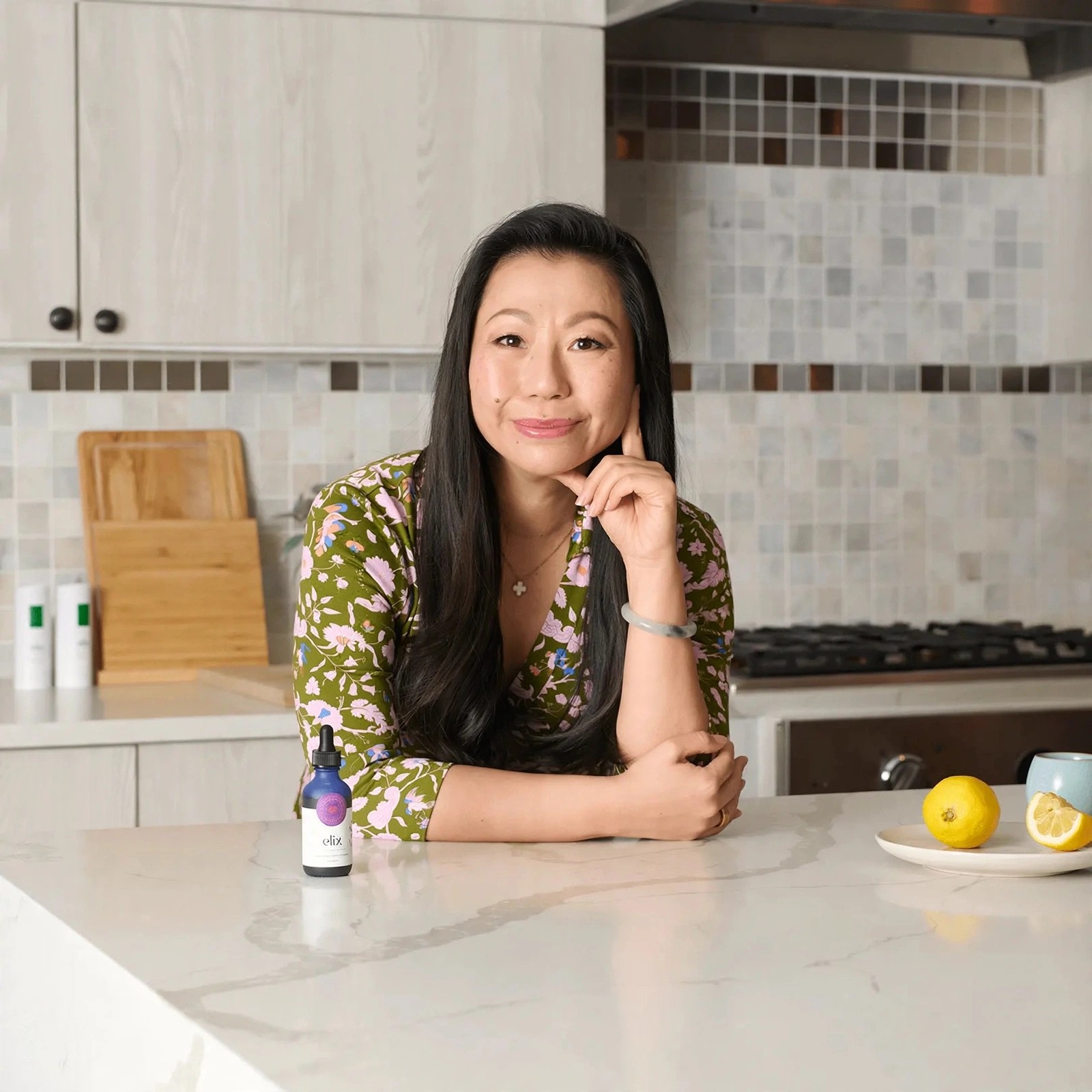
“I never took Tylenol, Advil, or Pepto Bismol.” That early rule explains the adult routine. In this interview Lulu Ge lays out her own timing, stacking and tracking, from daily cycle drops to a nightly pour and morning tea.
Her current morning still follows an older kitchen clock. Ge grew up in California in a house without Tylenol or Advil, where her grandmother simmered bone broth with ginseng or medicinal mushrooms. Her grandfather operated a hospital in Hunan. After ten years in consulting left her burned out, and after sixteen years on birth control ended in stabbing cramps, headaches, bloating, fatigue and insomnia, she flew to Shenzhen to see Dr. Xia Hongsheng.
He read her pulse, looked at her tongue and sent her home with a dozen herbs to boil every day for several months. The next month brought less stabbing pain, then slow change across months. Back in New York City she wanted the same herbs organically sourced in a clean and bioavailable form, reviewed 246 clinical trials and studies, ran a pilot with more than 300 women for nearly a year, and launched Elix in January 2020 as personalized formulas made from an online health assessment of about 50 questions plus a tongue photo.
You take the measured drops daily for consistent use and track cycle patterns across months. Your go to stays Cycle Balance One Month at 52 dollars, a custom mix of up to eighteen herbs. Why does personalization make the morning routine different from a single fixed formula.
As a kid I skipped Tylenol, Advil and Pepto Bismol entirely. Food and herbs came first in our home. My grandma simmered bone broth with ginseng or medicinal mushrooms, which showed me that support has a source you can name, a root or mushroom or pot, not a plain white tablet.
Building Elix felt like returning home and rediscovering the care passed through many generations in my culture. My grandfather led a hospital in Hunan, so sourcing was never abstract. I still ask where a lot grew and who touched it. I look for whole herbs, grown organically when possible, handled simply. If I cannot follow it back, I do not want it in a bottle.
Nothing you bought here held, not painkillers, fish oil, period supplements or even a vibrating device. Doctors dismissed the pain or advised going back on birth control. What led your mother to mention it to your grandfather, and then you to fly to Shenzhen.
Easy options in the United States did not hold for me. Painkillers, fish oil, cycle supplements, and even a vibrating device. Clinicians brushed off my pain or advised returning to birth control, which felt like covering discomfort instead of learning from it. I know 55% of women in the U.S. say a medical provider has gaslit them at some point, and my visits matched that pattern.
So my mother described my issues to my grandfather, who linked me with Dr. Xia Hongsheng in Shenzhen. He took my pulse, studied my tongue and prescribed a dozen herbs to cook down daily. The following month my stabbing pain eased, and within a few months almost every symptom faded. Boiling and sipping daily taught me to watch slow change, how herbs act. Would you expect one kale salad, one bowl of blueberries or one gym visit to remake health. Steadiness counts.
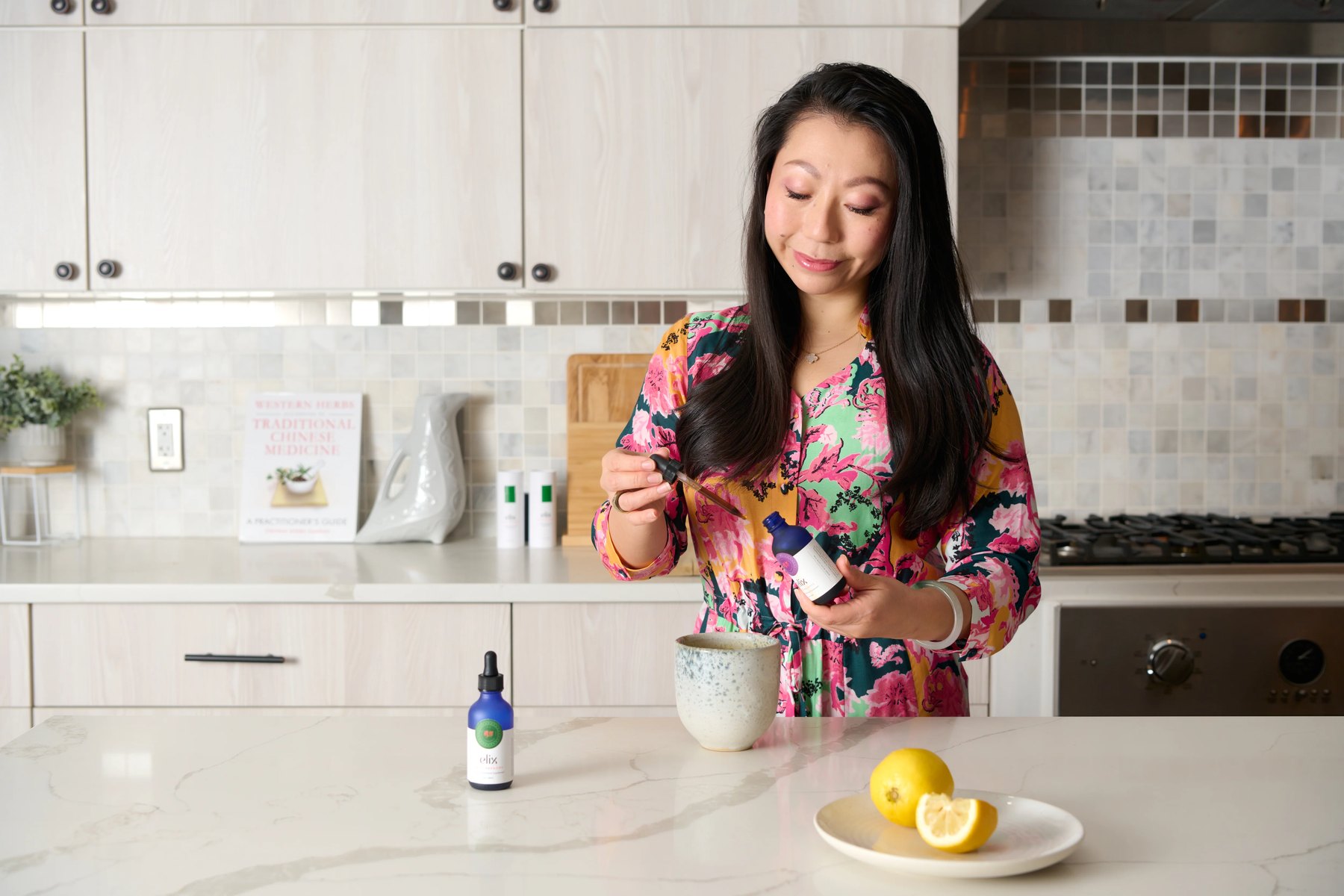
Your assessment asks about fifty questions about cycle length, flow, color, clots, digestion, sleep, stress and temperature patterns, and it asks for a tongue photo. After 246 clinical trials and a pilot with over 300 women, how did a pulse and tongue visit become a form you fill in at the kitchen table.
At Elix we turned that clinic visit into an online health assessment to widen access to Traditional Chinese Medicine. With Dr. Xia we studied 246 clinical trials and studies to shape the logic. The form asks around fifty questions on cycle length, flow, color, clots, digestion, sleep, stress and warmth patterns, plus a tongue photo.
Tongue viewing in Traditional Chinese Medicine serves as an outward sign of inner balance, including signals such as heat and dampness. We apply branch and root theory to group signs into patterns instead of chasing one symptom. Western care often quiets the symptom rather than the root. Chinese medicine views the body as a whole. After testing with over 300 women for close to a year, we started in January 2020 with custom blends of up to eighteen herbs.
Each herb is processed on its own because some need longer boiling and some need lower heat. Why bottle a tincture, and what should a label reader check on fill and testing.
We begin with organic whole herbs from farms listed on our herbs page, then handle each herb singly. Some want longer boiling, some want gentler heat, so we hold them apart until extraction finishes. Low and slow extraction means simmering over time to pull constituents into liquid, then mixing those liquids into a personal formula. That is why the finished form is a tincture, not a powder.
I avoid pills and powders with fillers and synthetic matter because they add bulk without purpose. A tincture holds the extracted liquid itself, and a dropper keeps daily amounts exact. Capsule fill shows powder weight inside. Tincture fill shows herb to liquid ratio and drops per serving. We hold the other ingredients line brief and note third party testing for purity and potency. For someone scanning the Supplement Facts panel, that record matters more than adjectives.
Take it nightly as a calming routine to settle toward rest. Yin Time at 38 dollars is rooted in Suan Zao Ren Tang and updated with Reishi. Why did sleep become a best seller beside cycle care, and how do you time it.
Sleep appeared in nearly every assessment. Women described buzzing minds, light sleep and broken nights around bleeding days and during hard months. Yin Time answers that evening slot. It grows from Suan Zao Ren Tang, a classic formula, refreshed with Reishi, a medicinal mushroom raised on wood or substrate, then gathered, dried and extracted before mixing.
Traditional Chinese Medicine splits the day into active yang hours and quiet yin hours, which gives the name. Timing stays plain. Take it at night as a calming ritual to settle toward rest. It borrows the feel of a wine pour at wind down, with no alcohol. I truly trust where East meets West science, so we held the classic frame and recorded sourcing and testing as a careful shopper would expect.
Do you expect your health to shift after one kale salad or one bowl of blueberries, or after one gym visit?
Lulu Ge
A set formula lets you order one big lot, extract once and fill thousands of matching bottles. What changes in the making room when every bottle blends up to eighteen herbs for one pattern.
One fixed recipe allows a single large lot, one extraction and thousands of matching bottles. Personal drops flip that. Each order begins with a pattern, then we draw on single herb extracts to mix up to eighteen herbs for that person. The work looks closer to pharmacy compounding than to one long run.
That adds care in lot tracking. Every single extract holds its own certificate of analysis, and each finished mix holds its batch record. Daily use stays simple. Finish the online health assessment and take the personal liquid drops each day. Behind that ease sits stock of many single herb liquids, small mix runs and exact labeling so the bottle fits the pattern. We prefer personalizing by pattern over one size fits all wellness. The pick raises labor and testing cost, so the supply path must stay exact.
Craving Support at 38 dollars cites a classic formula from 1100 AD and your site language points to metabolism. For a routine reader, what does the label show, what stays in batch files, and when do you take it.
The front and panel show an organic herbal mix grounded in a classic Chinese Medicine formula from 1100 AD, with serving size, herb list and other ingredients. It notes metabolic support with daily use. What stays off the panel is true for all supplements. Grower lot, extract ratio and certificate of analysis are absent. Those remain in our internal batch records and in summary notes on our herbs page.
I keep our organic gingerade with me when I leave home, and I treat our formulas with the same daily rhythm, yet I will not say a tincture cures a condition. The Elix site carries statements the FDA has not evaluated and products are not intended to diagnose, treat, cure, or prevent any disease. What I will defend is method. Organic whole herbs, low slow extraction, small blended batches, third party checks for purity and potency, and a label that names contents without fillers.
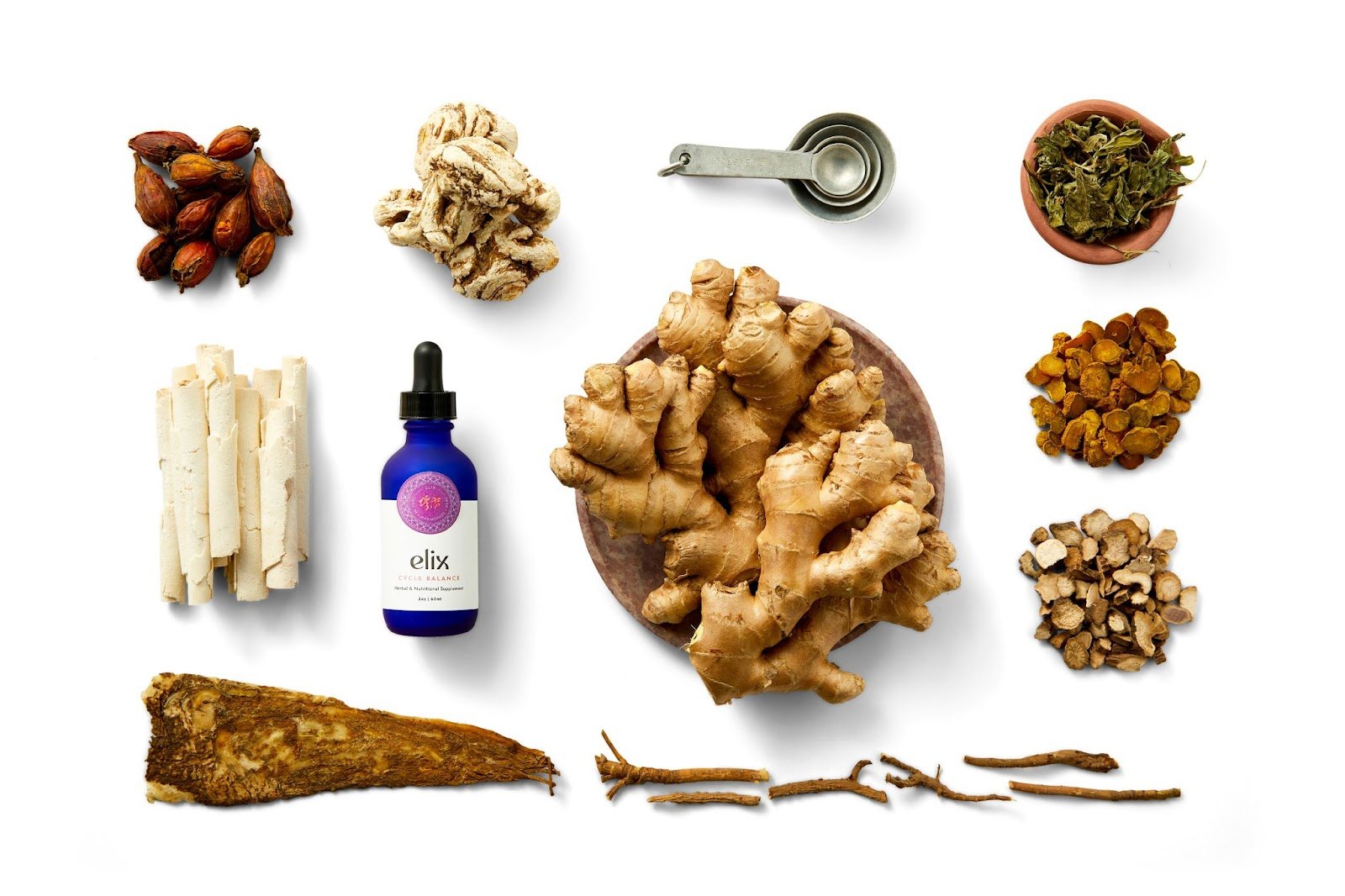
Naming growers and showing third party testing for purity and potency is done, including heavy metals and microbes. What lot detail is still hard to publish per bottle, and what would full traceability need.
Farm identity on every lot is the toughest piece. We can list growers and share third party testing for purity and potency, with heavy metals and microbes included. What we cannot yet print per bottle is farm, harvest date and certificate for that exact mix. Personal blends with more than a dozen lots make that hard.
Full display would call for lot level tracing that is printed or scannable per order, from grower to extraction to bottling. That calls for harvest sheets, drying logs, extraction logs and lab reports joined to one batch code a buyer can search. I truly want Elix to act as a trusted friend and guide, from first periods, to last hot flash and all between. Sharing the full chain is how a friend keeps trust.
Wellness never begins with what another person swears by. It starts with paying attention. How should a busy household read a label and judge if the higher priced bottle earned its shelf space.
Wellness never starts with another person’s favorite. It begins with close notice. Study the Supplement Facts panel first, then the other ingredients line. Seek organic whole herbs, form as tincture or tea, serving size and daily guidance. Seek a note on third party testing for purity and potency. Log your own signs for two to three cycles on flow, cramps, sleep and stress, because pattern care moves slowly.
We began with Cycle Balance, then added daily teas like Bloom and Balance to promote hormone cycles, manage stress and boost immunity, steeped as a mindful ritual, plus Yin Time as a nightly choice. Shop for the pattern present now, use it steadily, and weigh records over adjectives. When a brand can name growers, outline extraction and post test summaries, that openness forms part of the value.
Closing note from the desk
What lingers is the stove pot and the dropper beside it. Ge simmered a dozen herbs daily in Shenzhen, noticed easing across months, then asked why no American shop offered that bag with clear records. That ask shaped a timing habit that fits a rushed morning.
The line now pairs daily cycle drops with an evening calm pour and a steeped tea ritual, each with serving, timing and batch notes. Some farm facts stay summarized instead of scannable by bottle, and Ge names the gap. For a shelf that must hold past February, that steady record is the useful part. Talk with a doctor or pharmacist before adding herbs with a medication, a pregnancy or a condition.
Product spotlight
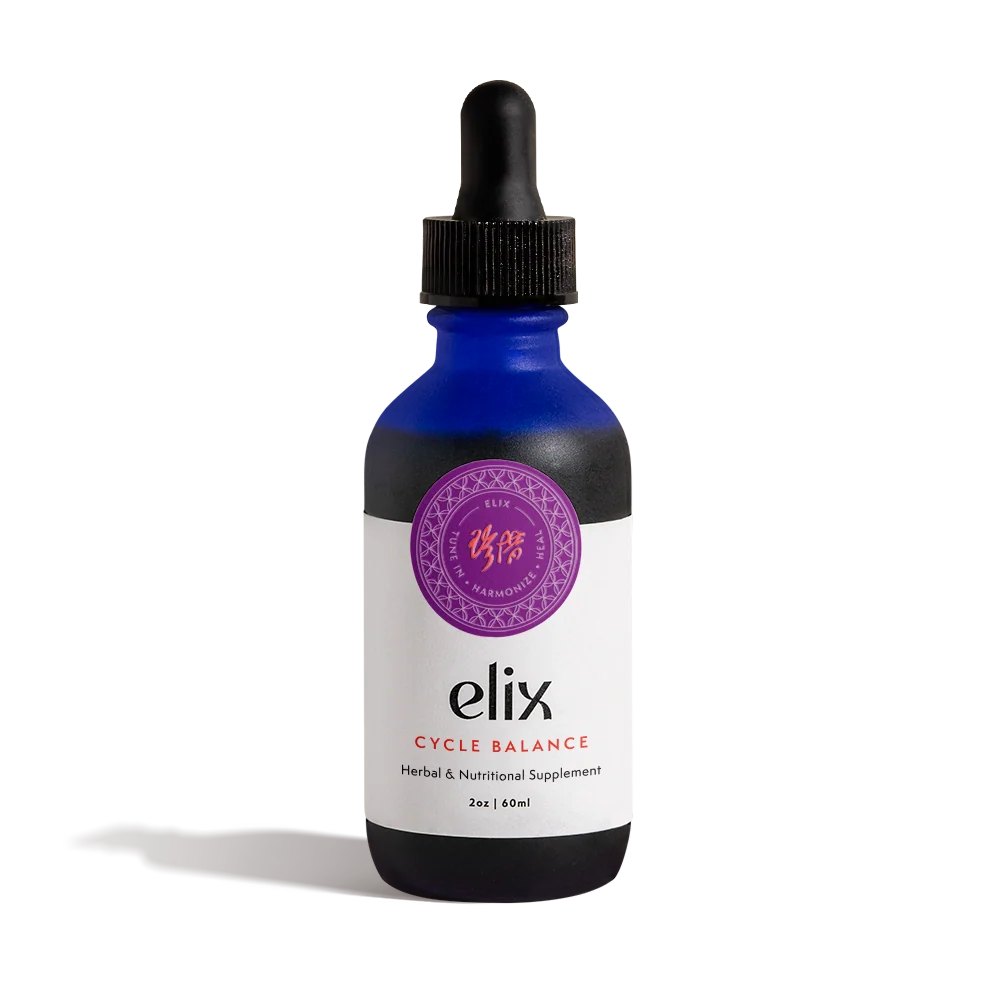
Cycle Balance One Month, 52 dollars for a one month personal supply. A liquid tincture mixed from up to eighteen organic whole herbs after an online check of about fifty questions and a tongue photo. Take the measured drops daily at the same anchor, such as breakfast, and note flow, cramps, sleep and stress across two to three cycles.
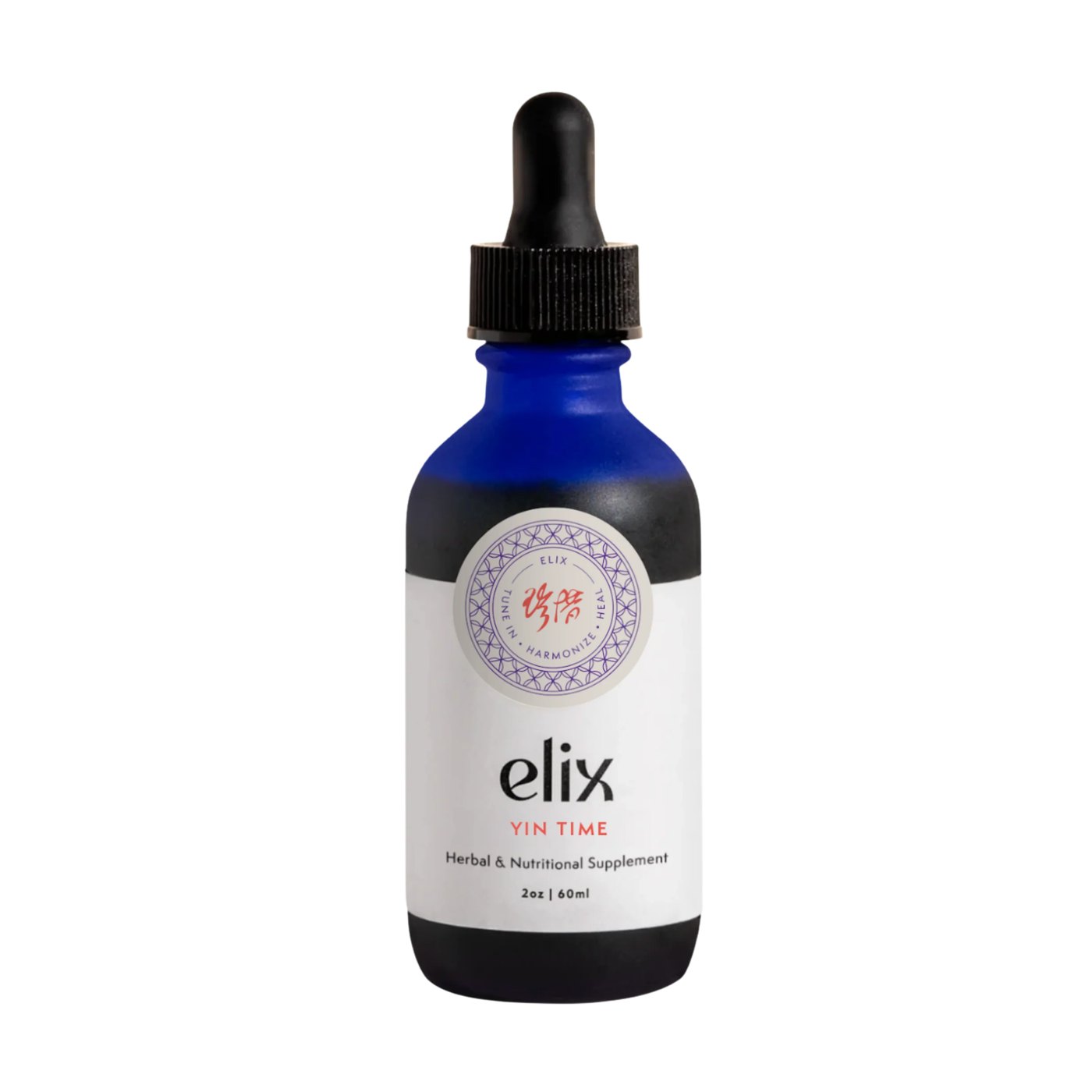
Yin Time, 38 dollars for a bottled herbal mix. An organic night formula based on Suan Zao Ren Tang with Reishi mushroom, taken nightly as a calming ritual to settle toward rest. Store it by the nightstand or tea shelf as a wine inspired pour with no alcohol, spaced from morning drops.

Ashley Chen
Ashley produces the interviews at The Daily Capsule: the research, the question lists, the follow-ups. Her favorite question comes last, when she asks a founder exactly when, and with what, they take their own product.
More from Ashley Chen →