Set your bag by the brewer tonight so the morning cup happens without thinking. That small setup move sits behind this talk with Andrew Salisbury.
Amber Salisbury told her husband she would keep drinking coffee until he brought proof it was hurting her. That home bargain turned into Purity Coffee, a company Andrew started in 2016 after Amber slept 10 to 12 hours and still woke tired.
Salisbury is founder and chief executive. The household already exercised, bought organic, kept steady sleep and used purified water. Doctors had no clear answer. Amber used more coffee to push through afternoons. Andrew began to wonder whether the coffee added to the fatigue.
What fits The Daily Capsule here is how strictly he answered her. He visited the Vanderbilt University Institute of Coffee Studies, read through more than 19,000 studies, then gave 18 months with Dr. Adriana Farrar to map each stage from farm to roast. His summary phrase covers both sides of a routine. Keep the helpful compounds in, keep the unwanted compounds out, and write the steps down.
You went to Vanderbilt and read more than 19,000 studies, then heard that 3 to 5 cups a day tracked with benefits tied to antioxidants. How do you turn that finding into a steady daily habit?
Yes, the start was personal, because Amber was dealing with real health trouble. She would sleep 10 to 12 hours and rise feeling worn out. We worked out, we chose organic food, we held a regular bedtime, we used purified water, and her physicians felt stuck. She began using a lot of coffee only to make it through daylight, and I started to suspect that coffee played a role in how she felt. She told me plainly that she would hold onto coffee unless I brought strong evidence for letting it go. So I began studying whether coffee helped or harmed health. I visited the Vanderbilt University Institute of Coffee Studies. They gave me access to more than 19,000 papers on coffee and diabetes, heart disease, liver disease, Alzheimer’s and cancers. What I learned pointed the other way. Three to 5 cups each day appeared linked to advantages, largely tied to antioxidant activity. That shifted my question. It stopped being whether we should drink coffee. It became which coffee we were drinking.
Most shoppers never learn that coffee ranks as the number one source of antioxidants in the American diet. When did that detail change your shopping list?
Many drinkers do not realize that coffee stands as the leading source of antioxidants in the American diet, and that detail caught me off guard when I first saw it. I had entered assuming coffee was guilty until proven innocent. Coffee sits among the strongest antioxidant sources in the American diet. That point changed the frame. If coffee already delivers polyphenols and other active compounds to so many homes, then sourcing carries new weight. You must test coffee from many countries and select lots highest in antioxidants. That turned into our buying rule. We hoped to set careful practices for what we view as a fresh coffee and health category. If health gains alone steered coffee, which choices would follow. That inquiry shaped the farm, the harvest bar, the drying, the transport and the roast. We did not begin with tasting notes and reverse engineer. We began with makeup and moved ahead.
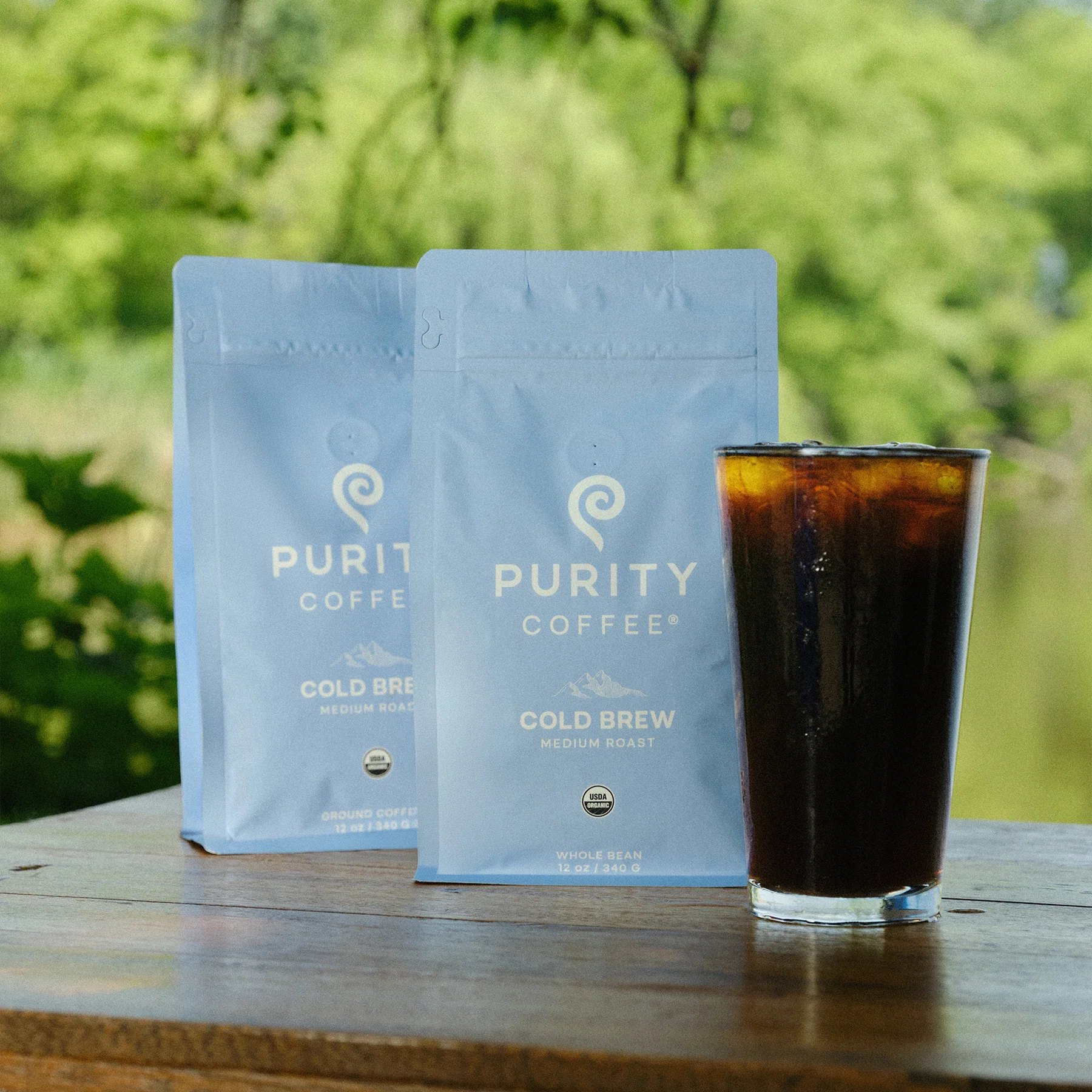
Your wife was sleeping 10 to 12 hours and waking exhausted while you both already lived carefully. Where does a timed morning cup fit after those months?
We asked, if health gains alone steered coffee, which choices would follow. Alongside Dr. Farrar we reviewed each phase. It pointed to regeneratively farmed organic specialty grade arabica. It pointed to hand picked cherry, attentive drying, and tidy handling so mold never takes hold. Pesticides and mold rank as the two hazards to keep out. Coffee counts among the most intensively sprayed crops globally after tobacco and cotton, using agents that would fail approval in the US. So we reject coffee grown with pesticides. We reject mold and mycotoxins. We reject weak commodity coffee that trades away health and taste, and rough picking and handling that invites mold. Every shopper should insist on sound, clean coffee. By clean we point to defined items we assay. No applied pesticides under the organic rule, plus laboratory data showing mold and mycotoxins under our thresholds. That is documentation, not a tagline.
For a rushed Tuesday, anchor the habit to breakfast. Keep whole beans sealed and cool near the grinder, set the brewer the night before, and brew right after you eat if a full stomach suits you. Track energy, sleep and stomach comfort for two weeks before you adjust amount or timing.
That first Brazil shipment gave us a harder lesson than any call. We had started buying coffee globally and screening for antioxidants, mold, mycotoxins and heavy metals. The delivery landed and lab work showed it full of mold and mycotoxins. The grower had swapped lower grade coffee for the agreed lot. Near the close of 2016 we still packed our first bag, but only once we turned away anything below standard. It proved why an origin name cannot carry trust alone. You must assay coffee from many countries and keep only lots that clear the bar, lot by lot. A certificate of analysis, which is the laboratory page for one lot, must align with the sack you receive. Third party lab means testing by a lab separate from the seller. That separates a record from a claim. Since then we arranged the chain around that step. Named growers when possible, set harvest and drying rules, then screening ahead of roast. Trust tracks the sample.
You repeat a line about keeping good compounds present and bad compounds absent. How do you roast to hold onto chlorogenic acids and trigonelline?
That sentence about holding good things present and bad things absent still steers the roast. Chlorogenic acids, often shortened to CGA, plus trigonelline sit among the helpful items we track. They shift with crop and harvest and they respond to roasting. Darker and longer does not always serve lots chosen for those constituents. So we roast through tailored protocols aimed to preserve chlorogenic acids and other supportive compounds, with antioxidants measured. In daily terms that calls for smaller, set roast curves per lot, followed by checks. We prefer to protect the desirable material rather than merely screen out the undesirable material. We prefer to let health steer each call rather than roast for price or habit. Drinkers tell us they notice it physically. We present that as user notes about smooth energy without jitters or stomach upset, not as a health claim. What we can record is material and method. Organic farm practice, hand picking, managed drying, laboratory screening and a roast fixed to retain measured constituents.
We would rather build up the good habits than only cut out the bad ones.
Andrew Salisbury
You name groups like the Inga people and Finca Santa Maria in Colombia, and you sell espresso, cold brew and a Founder’s Roast. How do you stack each one in a day?
We can list far more today than at launch. Our Sacred Cups lots, as an illustration, contain honey processed coffee grown regeneratively by the Inga people in southwest Colombia, plus microlots raised by the women of Finca Santa Maria in Colombia. Honey process in this context means some cherry mucilage stays on the bean while drying, which shapes taste and demands careful drying to remain clean. Regenerative as we use it means cultivation that feeds soil and skips synthetic pesticides, within organic certification. What we can display is the farm or group, the process style, the lot screen for mold, mycotoxins and contaminants, and the roast log. What stays difficult is full container level visibility across every blend part through seasons. Harvests rotate. Lots run out. When a part shifts, records must shift too. We credit what is traceable and we keep assaying what is not yet fully seen. Just choose a higher quality coffee for your routine. Behind that plain line sit harvest date, drying log, lot number and lab page.
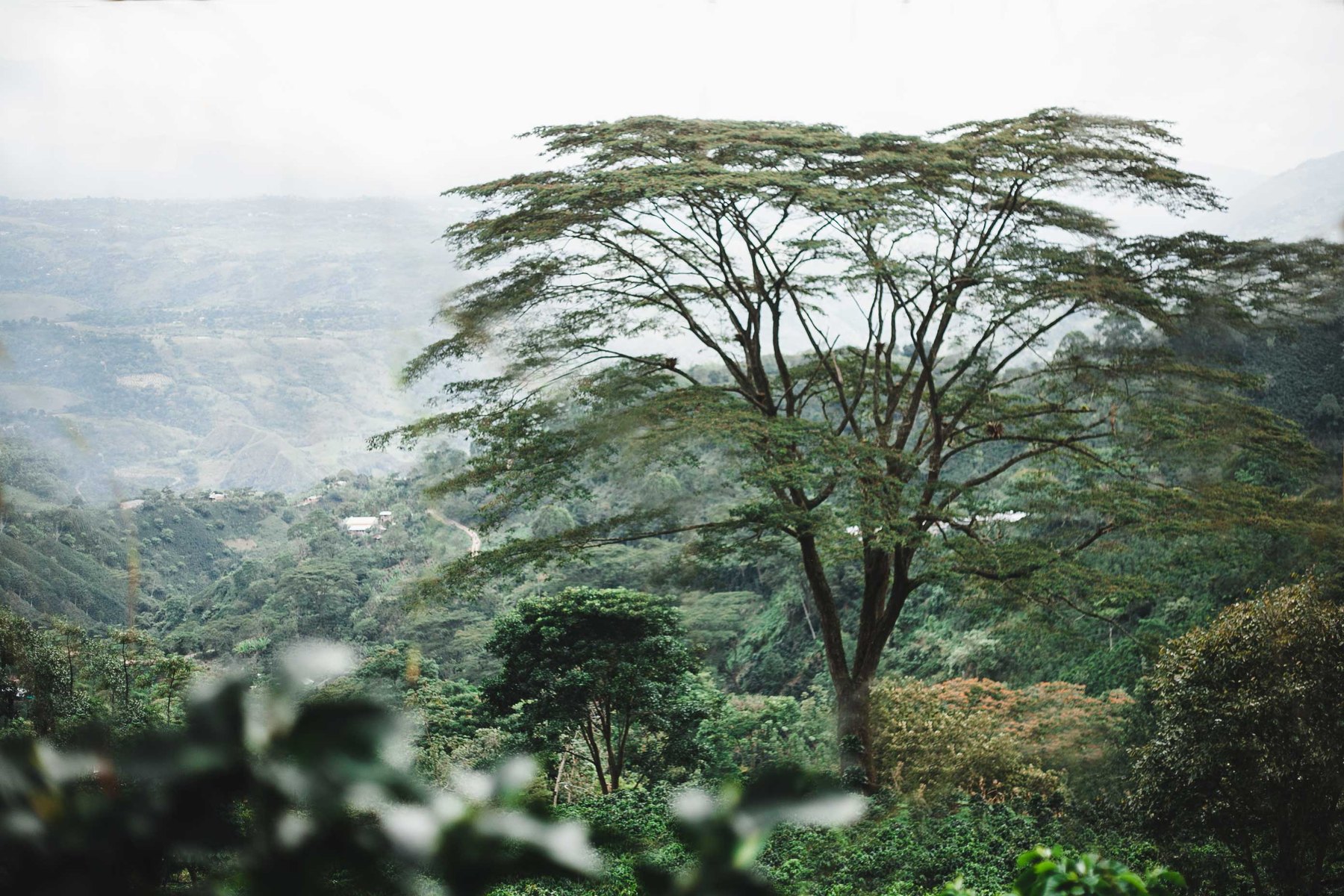
Your lineup now covers espresso, cold brew and a Founder’s Roast linked to Alzheimer’s awareness. Which brew method suits each bottle in a weekly plan?
Begin with your brewer. Our Whole Bean Espresso is a medium roast made for espresso extraction, a bold balanced shot with rich crema and a smooth finish. Grind whole beans just before extraction and draw as a straight shot or in milk drinks. Our Cold Brew Whole Bean Coffee is made for home cold brewing. Grind and steep cold, a style many homes favor for a smooth cup stored in the fridge. The Founder’s Roast, with the Alzheimer’s Awareness limited release, suits daily drip or filter. Prepare as daily drip or filter coffee. Use clean water, a scale when you own one, and finish within weeks of roast. Our pledge is health centered coffee without compromise that keeps helpful compounds and leaves unwanted material out. That must appear in cup and on paper. Business partners Jon and Missy Butcher joined Amber and me early, while scientists and medical practitioners advised. Improve the health of the world through coffee is the mission on the wall. Make every decision based on health is the check before dispatch.
Pair espresso with a morning meal, keep cold brew for warm afternoons, and hold the Founder’s Roast for a regular drip slot. Space coffee 30 minutes to an hour from iron rich meals or supplements if your clinician advises spacing, and keep late cups early enough to protect sleep. Skip a day from logging and simply resume the next morning.
You started this with Amber plus Jon and Missy Butcher and advising scientists. Ten years on, what records would help a routine buyer most?
We still shape the category we named early. We hope to set careful practices for what we view as a fresh coffee and health category. To reveal more, we need lot level pages kept current as blends turn, holding origin, harvest, test panel and roast curve together. We need third party seals applied the same way across certifiers, described in simple terms. And we need to keep rejecting failed lots, even when supply runs short. Every shopper should insist on sound, clean coffee. By that we point to pesticide screening by standard, mold and mycotoxin screening by lab, and choice for measured antioxidants. People can feel it in their bodies is how users describe daily ease. What we will keep posting is what the label can support. Farm or group, lot, process, lab findings and roast date. That is how a routine reader uses coffee too. Trace it back until the field appears.
Closing note from the desk
What remains after this talk is a founder who files coffee like a morning system before tasting it like a drink. Salisbury names the swap that spoiled the Brazil lot, the 18 months of method work, and the lab pages that now clear each shipment. That order suits a habit magazine.
Purity aims to let health guide each call and to post the evidence where possible. Some links stay incomplete as harvests turn and blends shift. The path stays legible. Anchor the bag to breakfast, pair each roast with its brewer, track how you feel, and follow the lot back to cherry, drying bed, container and roast.
Product spotlight
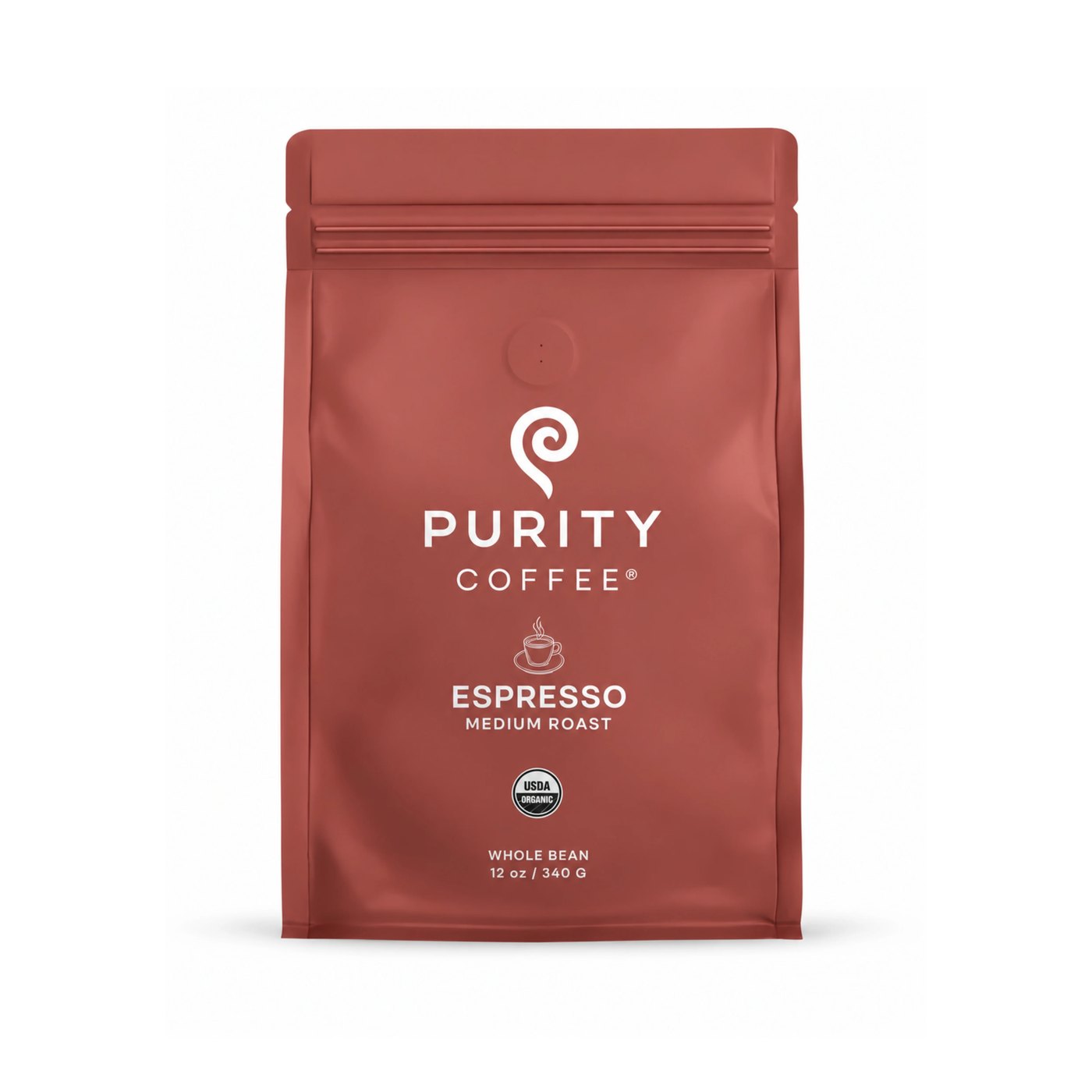
Whole Bean Espresso costs 30 dollars for 12 oz whole bean. A medium roast for home espresso, noted as bold and balanced with rich crema and a smooth finish. Grind right before you brew and pull as a straight shot or with milk. Use within weeks of roast, kept sealed and cool beside the grinder.
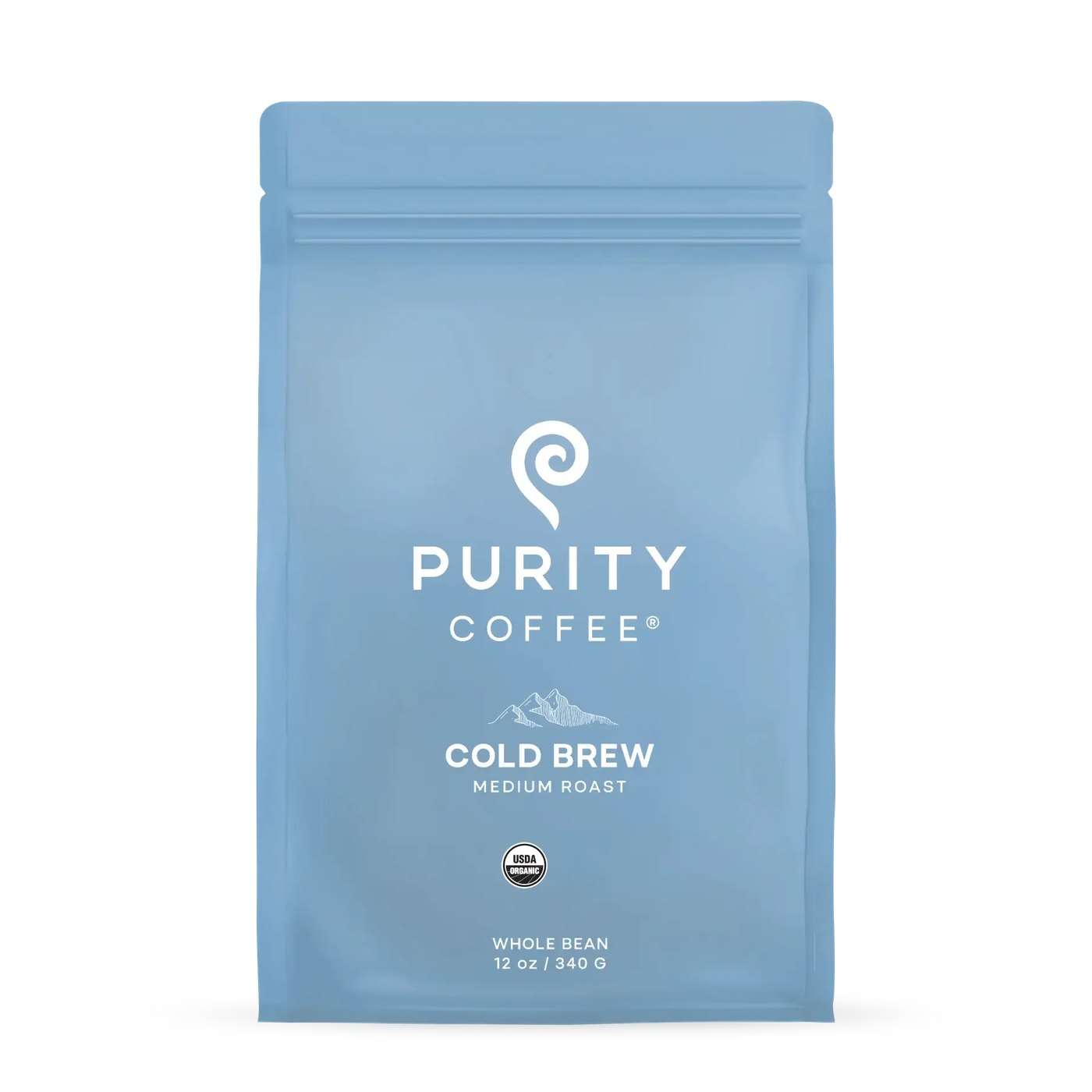
Cold Brew Whole Bean Coffee costs 30 dollars for 12 oz whole bean. Made for cold brewing at home and noted as rich in antioxidants. Grind coarse and steep cold, then strain and chill. A reliable house choice for drinkers who want a smooth cold cup in the afternoon without a fresh hot brew.

Ashley Chen
Ashley produces the interviews at The Daily Capsule: the research, the question lists, the follow-ups. Her favorite question comes last, when she asks a founder exactly when, and with what, they take their own product.
More from Ashley Chen →