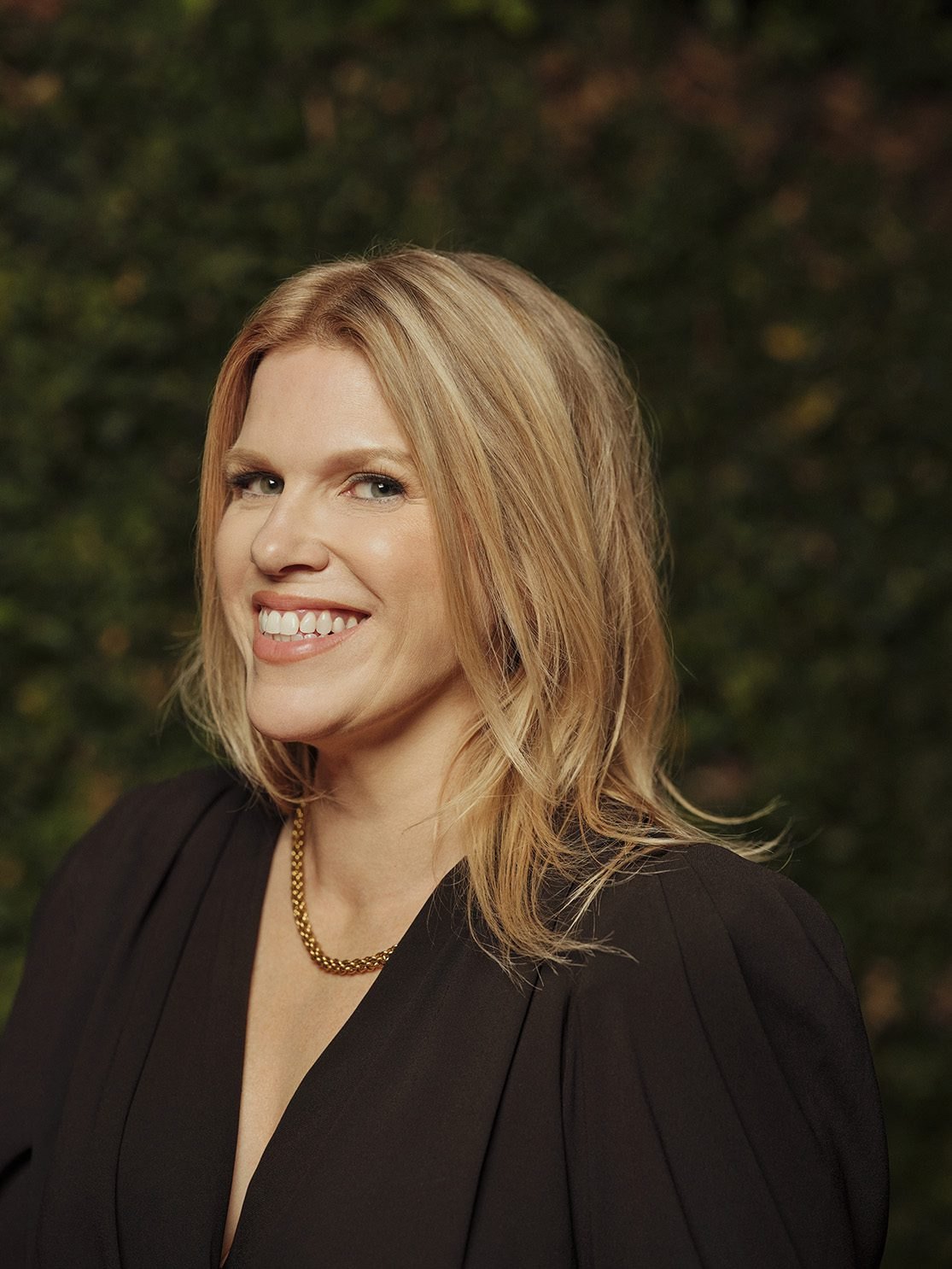
Five grams with your morning drink. That is the Crushed Tonic serving of hydrolyzed marine collagen, flavored to recall banana milk sold in a Korean corner shop.
Sally Olivia Kim measures her work in mornings that still happen when life is rushed. In her early 20s, after study at NYU and work in finance, a cooking accident left her arms with severe burns and blood blisters that healed slowly and showed. She started Crushed Tonic in New York City in April 2017, and the serving stayed small on purpose, so it could fit the first ten minutes of the day.
Silicone patches and ointment prescribed for the burns did little for her. She started to look into collagen taken by mouth to support skin recovery, and she took pills, powders and liquid shots every day. Over time she describes skin that looked plumper and hydrated. People close to her saw the same powders and turned them away. They said they stopped after the first shot because the marine taste seemed gamey.
That stopped routine became the product. Kim seasoned powders at home with coconut, coffee and matcha. She ran the company as a weekend shop and recipe blog while employed in digital strategy. W. W. Norton sought her for a book, which became The Collagen Glow, stocked at Barnes and Noble, Target and Amazon. She left her job, funded the work herself, changed makers to scale, and built wholesale with Sephora, Equinox and others. What sets her method apart is how practical the sourcing work is. Marine peptides built with Korean labs, tracked to the exact fish, checked by an outside lab for metals and fillers, Halal and Kosher certified. Then packed as something a household will keep beside the coffee.
What did the morning look like when you took pills, powders and liquid shots daily while your arms still looked raw, and how did you keep the habit going when silicone patches felt clinical and ointment sat on top.
I was not aiming to start a company. I was trying to repair my skin. I learned what collagen could do after a bad burn when I needed my skin to heal and regrow fast. I had blood blisters. My arms looked raw. The patches felt medical and the cream stayed on the surface. I needed something I could take from within, every day, without a second thought.
So I used pills plus powders plus liquid shots every morning. Some tasted awful. Some mixed poorly. I kept with it because had I not been burned so badly with blood blisters and needed collagen for its medical benefits, I am not sure if I would have stuck to it daily either. That part is honest. I started to notice plumper, hydrated skin. I began urging everyone near me to take collagen once I saw gains in my skin and hair and more. The company followed because the formula worked. First it worked for me, then it had to work for people without a burn to keep them steady.
Coconut, coffee and matcha on a kitchen counter told you that sourcing a good peptide was only half the lot record. When parents and friends quit after the first shot because the scoop felt like a chore, how did you set the flavor so a household would keep it for years.
When I checked back, they said they quit after the first serving. That stayed with me. My parents, my friends, men and women seeking help for skin and hair. They left it, not because they doubted the powder, but because it tasted gamey and the scoop felt like a chore. I learned then that finding a good peptide was only half the routine. The other half was adherence.
Healthy should not taste bad, or feel like work. I wanted to make daily beauty nutrition more normal, beauty built from within. At home I started seasoning powders with coconut, coffee and matcha. I wanted a powder that turned clear and could go in water, milk or coffee. No big scoops with fluff. No sucralose. No fillers. The thought was plain. Make it craveable so a family keeps it for years, not for a week. That is why our mantra is to always be the most honest and transparent about what is inside, and to leave out what does not need to be there.
Five grams per serving at about 4,000 Daltons, with 0 to 3g sugar by flavor, blended after enzymatic hydrolysis in Korea. Starting at the fish processor, what papers tie that peptide lot to the finished pouch, and where does the exact fish stay on file.
We use marine collagen from fish skin instead of cheaper bovine hides when possible, since we like the tiny peptide size and easy mix. Our marine line is hydrolyzed peptides near 4,000 Daltons, with 5g per serving and 0 to 3g sugar by flavor. Dalton size here means weight of the molecule after hydrolysis. Smaller pieces tend to mix more readily in liquid, which counts for a morning drink.
The chain runs from fish processor, to drying and enzymatic hydrolysis in Korea, to blending with flavor, to packing. We partner with Korean labs and flavor scientists for that step. Each batch gets third party tests for heavy metals, purity, mixability and uptake, with a Certificate of Analysis on request. The certificate is the paper that links a lot number to test results. The brand says the marine powder traces to the exact fish. What I can share today is the test paperwork by lot and our Halal and Kosher certifications. What stays less visible to a shopper is the name of each vessel or farm on the pack itself.
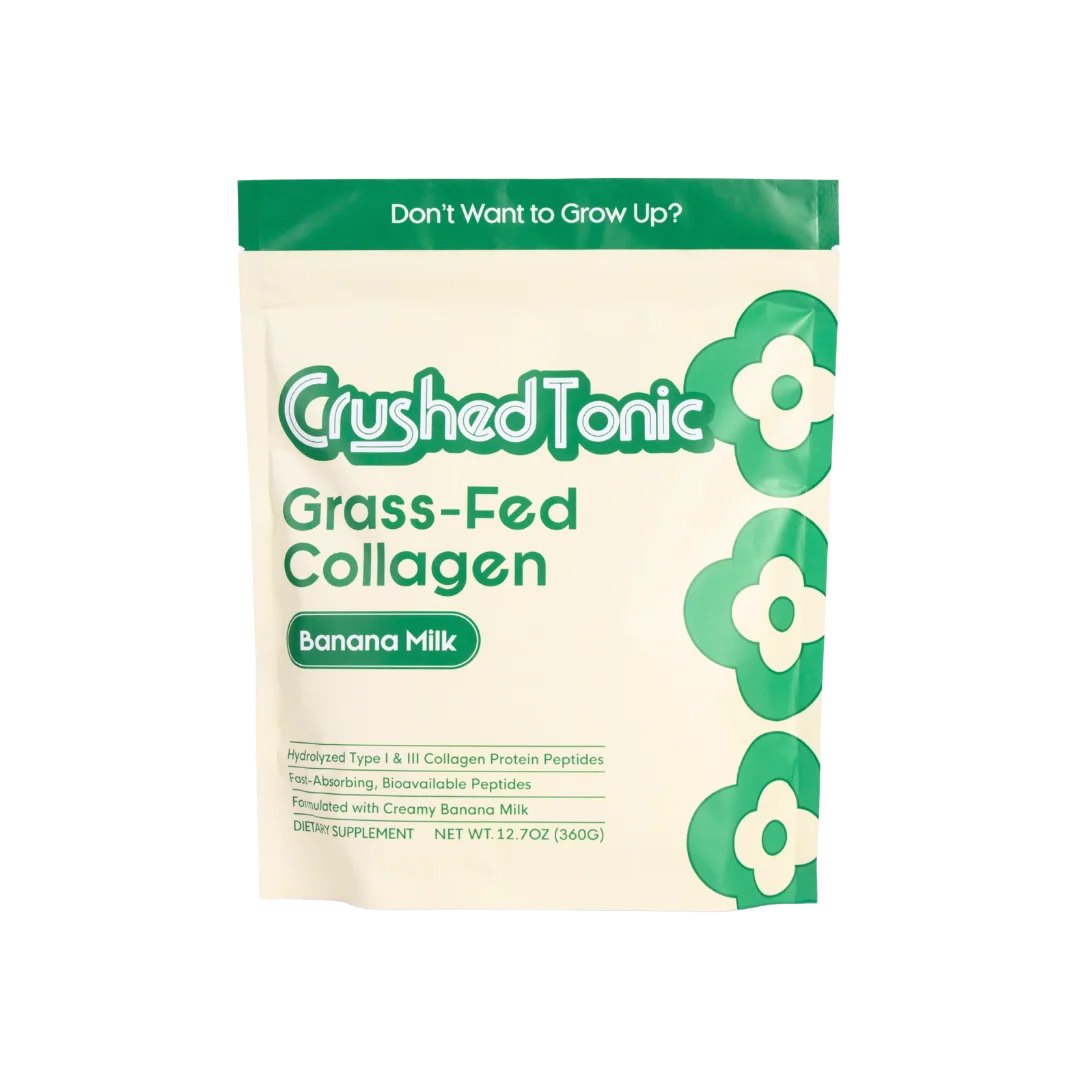
Banana Milk Collagen keeps a sweet milky profile with a little vanilla, and the bovine low sugar one month pouch is 45 dollars while marine is 55 dollars. What did Korean flavor scientists adjust in particle handling and carrier so it stirs clear in water, milk or coffee at 0 to 3g sugar.
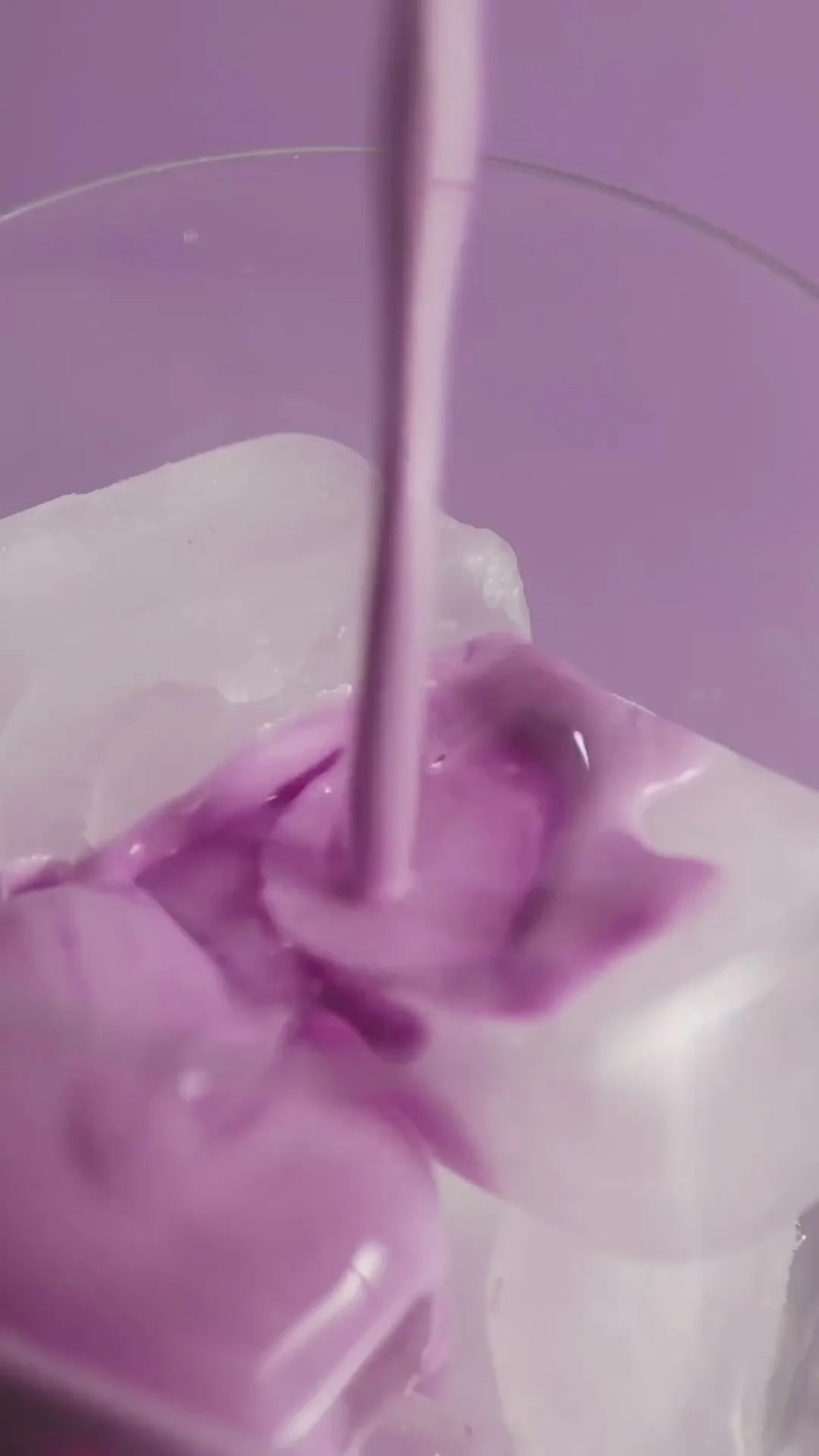
Banana milk from a Korean corner store feels nostalgic. Sweet, milky, a little vanilla. Our Banana Milk Collagen keeps that taste with 5g collagen per serving. For the steady habit, the bovine low sugar one month pouch is 45 dollars. For the steady habit, the marine low sugar one month pouch is 55 dollars. Sticks run higher per serving due to the single serve film and fill step. Stir it into water, milk or coffee with breakfast. The brand says it mixes clear.
What the labs refined was particle behavior after hydrolysis, plus the flavor base. Less base means less sugar and less cloud. That is how we keep 0 to 3g sugar while holding the creamy taste. What you can track is the peptide lot, the flavor lot, the finished batch, and the third party results. What stays hidden to a reader is the drying curve and extract ratio at the processor, which we do not publish. I can list the processing country and the test panel. I cannot yet publish a map from boat to pouch. To publish it, we would need approval to share processor names and vessel records by lot, which is next.
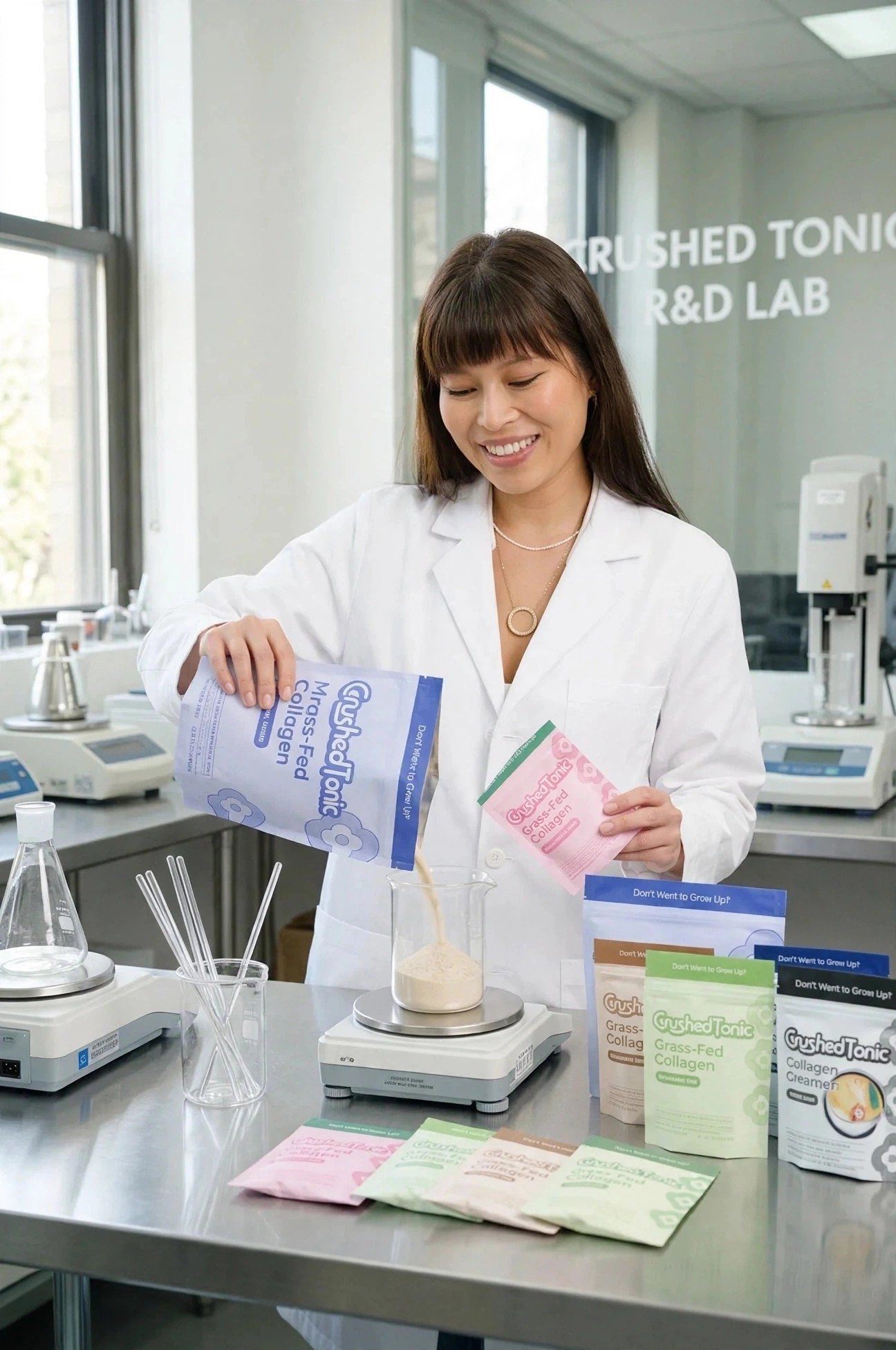
Mixed households made you offer Banana Milk and Strawberry Milk in marine or bovine, plus a separate vegetarian milk. How do you pair source to product, and how do you hold five grams steady when flavor and sweetening change.
I still prefer marine collagen from fish skin over cheaper bovine hides for my core skin habit, yet I know homes vary. A partner may avoid fish. A parent may want bovine. So for your routine, Banana Milk and Strawberry Milk come in marine or bovine options. The vegetarian milk is a separate recipe for people who skip animal collagen fully.
Standardised, for us, means we target the same fill weight every time. You get five grams of collagen per serving to anchor the habit. The flavor changes. The peptide weight does not. The label lists the Supplement Facts panel, the serving size, the collagen amount, the other ingredients line, and sugar content. The low sugar versions run 0 to 3g so they fit with food or without. Sugar free versions use other sweetening systems and name them. There will always be critics of taste or format, and I accept that. My task is to keep the panel steady lot to lot, so a buyer reading it in January sees equal numbers in June.
April 2017 as a weekend store and recipe blog, then 1 million dollars in revenue in 2018 and a value described as over 1.5m in less than a year, with founder plus seven part time staff and creative led by co-founding partner Edward Yeung. Which part of production drifted first at Sephora and Anthropologie scale, and why did a new maker help.
It was not really my plan to become an entrepreneur. I started Crushed Tonic in April 2017 as a weekend shop and recipe blog while working in digital strategy. Then it grew. We reached 1 million dollars in revenue in 2018. We were selling at Sephora and Anthropologie, valued as worth over 1.5m in under a year. I was founder plus seven part time staff, with creative led by my cofounding partner Edward Yeung.
What broke first was production. A kitchen method does not scale to wholesale. Dissolvability changes. Flavor drifts. Fill weight drifts. So I left my job, self funded, and changed makers to scale. That required fresh trials with Korean labs, fresh tests for metals, toxins and fillers, fresh files for each lot. Stop trying to convince everyone that you will not fail. That was the best advice I got. I quit justifying and focused on the batch file, the taste, and whether Sephora, Equinox, Erewhon, JetBlue, Anthropologie, Nordstrom and QVC as named partners got the same product twice.
I started making collagen part of my morning routine once I noticed the steady benefits in my skin, hair and everything else.
Sally Olivia Kim
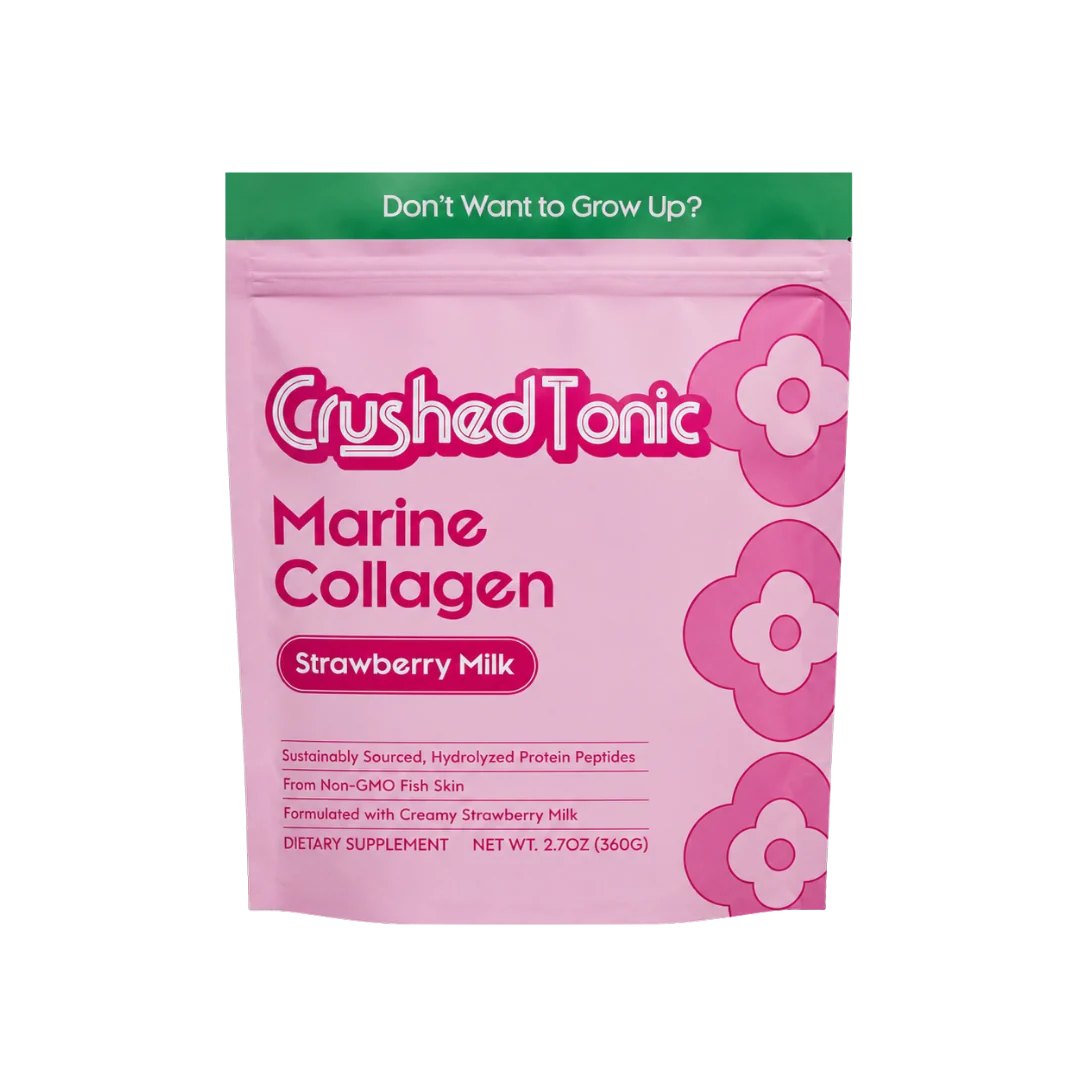
The store page for Strawberry Milk Collagen at 45 dollars for the bovine pouch speaks of a daily skin and hair ritual with clinically backed benefits. Which supplier peptide work sits behind that line, and what promise does the Supplement Facts panel actually make.
Our healthy take on nostalgic strawberry milk is smooth and creamy. Mix as a creamy drink. Built as a daily skin and hair ritual. The store page notes clinically backed benefits for skin and hair. I want to be clear on what that covers and what it omits.
The phrase points to supplier cited peptide studies and to our own third party checks for purity and mixability. It does not mean our flavored powder was trialed as a drug. Supplement labels bear the FDA note that the product is not intended to diagnose, treat, cure, or prevent any disease. Our label shows Supplement Facts, the collagen amount, sugar, and other ingredients for daily use. I prefer honest expectations over big promises. Some buyers stay because they enjoy the ritual. Some stay because they notice the look of more hydrated skin over time. Taste is what keeps the habit daily, which is why we say it tastes as good as it works.
No fillers, no metals, no sucralose, no big scoops with fluff. How do you test each lot for lead, cadmium, arsenic and mercury, and what happens when a retained sample misses your internal spec.
Our rule is to always stay the most honest and transparent. Our promise is clinically tested collagen that tastes great, with no fillers, no metals, just results. No fillers means we skip bulky powders used to enlarge the scoop. No sucralose means we pick other sweetening systems and list them. No fluffy oversized scoops means we build the serving around the 5g collagen dose, not around a big tub.
No heavy metals is shown by third party testing of every batch for heavy metals, purity, mixability and uptake, with a Certificate of Analysis on request. The lab checks a kept sample from the lot. If lead, cadmium, arsenic or mercury top our limit, the lot never ships. That is the rule. The failed lot is held, reviewed, and rejected if it cannot meet spec. Capsules are not our format for these milks. Pouch and stick filling is verified by weight. That file is the part of sourcing a careful buyer can request by lot number.
The Collagen Glow came after W. W. Norton approached you and now sits at Barnes and Noble, Target and Amazon. How did recipe writing move you from scoops to timed servings, and where do you tell a household to anchor the pouch for a parent or partner.
I wrote the collagen cookbook called The Collagen Glow after the publisher contacted me. It is sold at Barnes and Noble, Target and Amazon. Writing recipes taught me to plan in servings, not scoops. A creamer to stir into coffee and matcha. A banana or strawberry milk to mix with water or milk. A broth for cooking. Every recipe holds the 5g serving, so the house shares one dose with no extra measuring.
For a parent or partner, I say check the panel first. Pick marine or bovine to fit diet. Pick pouch for value or sticks for travel. Pick low sugar or sugar free to fit taste. Keep it by your morning drink station, because the best powder is the one you finish. I prefer to make collagen craveable rather than make people choke it down. I refuse to make wellness fit only one gender. Men and women, aging parents, friends can all keep the same routine. If it tastes good and the paperwork is clean, the ritual sticks. That is the full sourcing chain, from field to capsule, or in our case from fish skin to cup.
Closing note from the desk
What we keep is the focus on timing and place. Kim pairs the five gram serving with a drink you already make, keeps the pouch where the mug lives, and judges the lot by whether the cup is empty each day. For a rushed Tuesday, that anchor matters more than a larger dose left in the tub.
Crushed Tonic aims to make ingestible skincare steady. Five grams marine or bovine, checked by lot, tasting of banana or strawberry milk, without fillers and without sucralose. The vessel name is not yet printed on the pack. The test file by lot is. We record both, clearly.
Product spotlight
Banana Milk Collagen is 45 dollars for the bovine low sugar one month pouch, 55 dollars for marine, with 28 drink sticks at 55 dollars bovine and 65 dollars marine. Sweet banana with milky vanilla notes and 5g hydrolyzed collagen per serving for training days. Stir into water, milk or coffee till clear. Take daily for a month to test taste and routine fit.
Strawberry Milk Collagen is 45 dollars for the bovine low sugar one month pouch, 55 dollars for marine, with a 10 drink stick trial at 29.99 dollars. Creamy strawberry milk taste, 5g collagen per serving. Mix as a creamy drink one time daily. Check the Supplement Facts and other ingredients line before picking marine, bovine or vegetarian.

Ashley Chen
Ashley produces the interviews at The Daily Capsule: the research, the question lists, the follow-ups. Her favorite question comes last, when she asks a founder exactly when, and with what, they take their own product.
More from Ashley Chen →