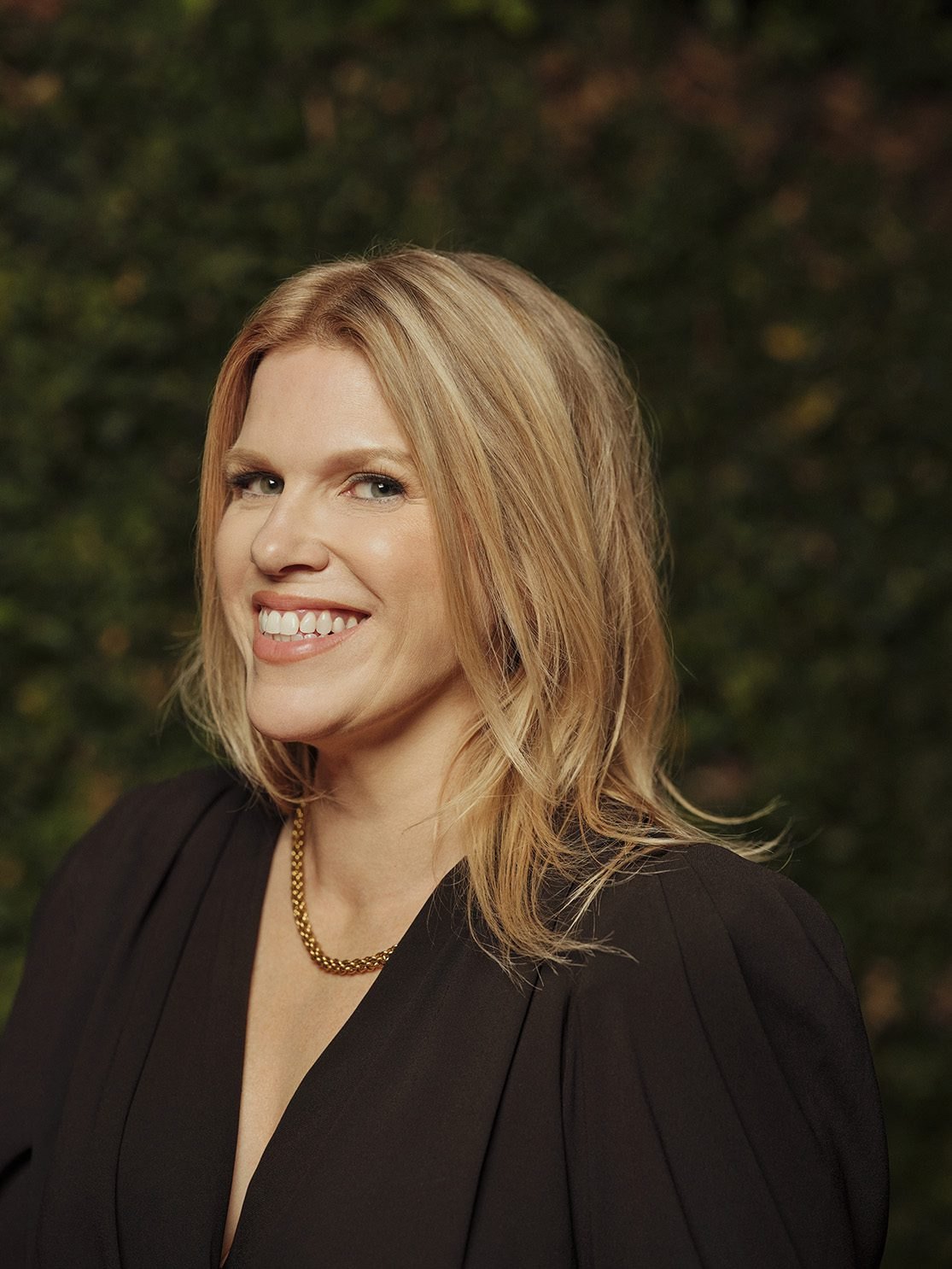
“I spent hours sourcing vitamins from all over and sorting pills each morning.” Alex Taylor said that about her kitchen counter, and it explains the whole routine that followed.
For The Daily Capsule, the hook is not only what is inside Perelel. It is when to take it, what to take it with, and how the habit survives a rushed morning. Co founders Alex Taylor and Victoria Thain Gioia started with two pregnancies, two messy piles of bottles, and a chat at Erewhon while both were nursing. From there they built a stage system with doctors that turns the pile into one sachet a day.
Taylor began with the counter sort. Through trying to conceive, pregnancy and postpartum, while living with thyroid disease, she ordered vitamins from many shops and lined them up each day to fill gaps left by a single prenatal. She felt let down by the products and guidance she could find.
Victoria Thain Gioia began with a different jolt. In early 2019 her daughter arrived with a cleft lip, with no usual risk factors and no genetic connection. She had used prenatal vitamins she trusted. Then she learned that kind of cleft had been linked with folic acid shortfall, and that 40 to 60 percent of women carry an MTHFR variant that reduces conversion of folic acid into folate, the form the body can use.
A shared friend heard both women raising the same questions and said, you both are picking my brain about the same things, you need to meet. They first connected at Erewhon in Los Angeles, near the shelf where the routine starts. They were both nursing at the time. By September 30, 2020, while both pregnant during the pandemic, they had started Perelel with Medical Co Founder Dr. Banafsheh Bayati, a practicing OB/GYN in Los Angeles for more than 25 years, and a broader Perelel Panel of OB/GYNs, reproductive endocrinologists, dietitians and doulas.
What interests us, and what busy readers often skip, is not only the trimester packs. It is the routine logic inside them. Perelel names exact nutrients they need, in the right doses, at the right time. The Daily Capsule asked where each choice comes from, how the label guides timing and pairing, and what stays unclear in a category the founders describe as having essentially no specifications.
40 to 60 percent of women carry an MTHFR variant that limits folic acid conversion, and your daughter was born in early 2019. How did that fact reshape the way you read a label at 7 a.m.?
Victoria: She arrived with a cleft lip with no usual risk factors or genetic connection. I had followed directions as given. I had used prenatal vitamins I believed in. Then I learned that kind of cleft had been linked with folic acid shortfall. That gave me pause.
I began studying folate in its methylated form, which the body can use directly, while folic acid is synthetic and needs conversion inside the body. About 40 to 60 percent of women carry an MTHFR variant which blocks changing folic acid into folate, the usable form. Folate intake during the first four to seven weeks of pregnancy matters greatly because the neural tube closes and early brain work starts. Many women do not yet realize they are pregnant in that window. I kept picturing the label I had trusted. It did not state which folate form I was taking, or whether my body could process it.
Thyroid disease plus fertility plus postpartum left you sorting pills from different stores. What was in that morning pile, and why did one bottle for everything stop working?
Alex: That stack was my daily habit. I spent hours finding vitamins from many places and sorting pills each morning. As I was moving through postpartum while also living with a thyroid disease, I felt let down by the brands and information I could find. One bottle claimed one thing, another claimed something else. Nothing covered timing. Nothing shifted as my needs shifted.
I kept asking, why is there no prenatal vitamin that tunes nutrients for each stage of a woman’s pregnancy. Timing is critical in nutrition. What you take while trying to conceive is not what you take in week eight, or week thirty, or six months after birth, so reset the routine each phase. The one size fits all path asks a woman to guess. I did not want to guess anymore about timing or stacking, so I built a steadier routine. I wanted a habit that showed what was inside, why it was there, and when to take it.

You compared notes at Erewhon in Los Angeles in 2019 while both breastfeeding. What turned that first talk into daily packs?
Victoria: A shared friend said, you both are picking my brain about the same things, you need to meet. We were both nursing at the time. We sat down at Erewhon and traded notes. Alex brought her sorted pills. I brought my questions about folate. We saw we were asking the same question from two sides.
Alex: We found there was essentially no regulation, no specifications around ingredients, and little guidance on what should be in a prenatal. The lack of regulation is startling, as there is essentially none to guide your nightly habit. We did not want to become the next Instagram brand. We wanted doctors to set the formula. That is why we asked Dr. Banafsheh Bayati to join as our Medical Co Founder. She has worked as an OB/GYN in Los Angeles for over 25 years. Then we assembled the Perelel Panel with Drs. Andy Huang, Brian Levine, Amber Samuel and dietitians, doulas and practitioners gave clinical input, so each stage fits a clear daily use plan.
September 30, 2020, both pregnant, clinics restricted, supply chains slow. What did We launched in September 2020, which was a challenge in and of itself look like on a normal weekday?
Alex: We started in September 2020, which was a challenge in and of itself. We were both pregnant. Clinics were restricted. Supply chains were slow. We were checking packaging from our homes and joining formulation calls between prenatal appointments.
Victoria: We are the first and only OB/GYN founded prenatal vitamin offering trustworthy targeted, comprehensive vitamin routines for each distinct phase of becoming a mother, from preconception through pregnancy and into postpartum, built for daily use. That line meant a lot because we had to back it while everything else felt unsettled. Every lot had to be produced, tested and sealed as a daily pack. Every label had to display the Supplement Facts panel and the other ingredients line clearly. You have to have clarity in your vision and stay steadfast while you anchor the habit to breakfast. That was the only path through that fall.
Methylated folate instead of synthetic folic acid anchors your morning sachet. Trace that capsule from field to nightstand for us.
Victoria: Our view is plain. We prefer methylated folate over synthetic folic acid. Folate in food comes from leafy greens and legumes to pair with your morning capsule. What ends up in a capsule is created through synthesis and fermentation, then dried, milled and checked for identity and strength. We choose the methylated form because the body can use it directly.
Alex: What we can track and show is the finished chain. The supplier shares a certificate of analysis. A third party lab checks the lot. The label names the form and the dose. What we cannot yet list for the reader is the farm or fermentation tank for every lot, because suppliers rotate and lots change. I will state clearly where we are solid. Form, dose and testing are on record. Field level origin for each nutrient is still unclear. What it would take to reveal it is lot level sharing, grower names and extract ratios where botanicals are used, printed or linked from the pack.
What you need when you are trying to conceive is not what you need in week eight, or week thirty.
Alex Taylor and Victoria Thain Gioia
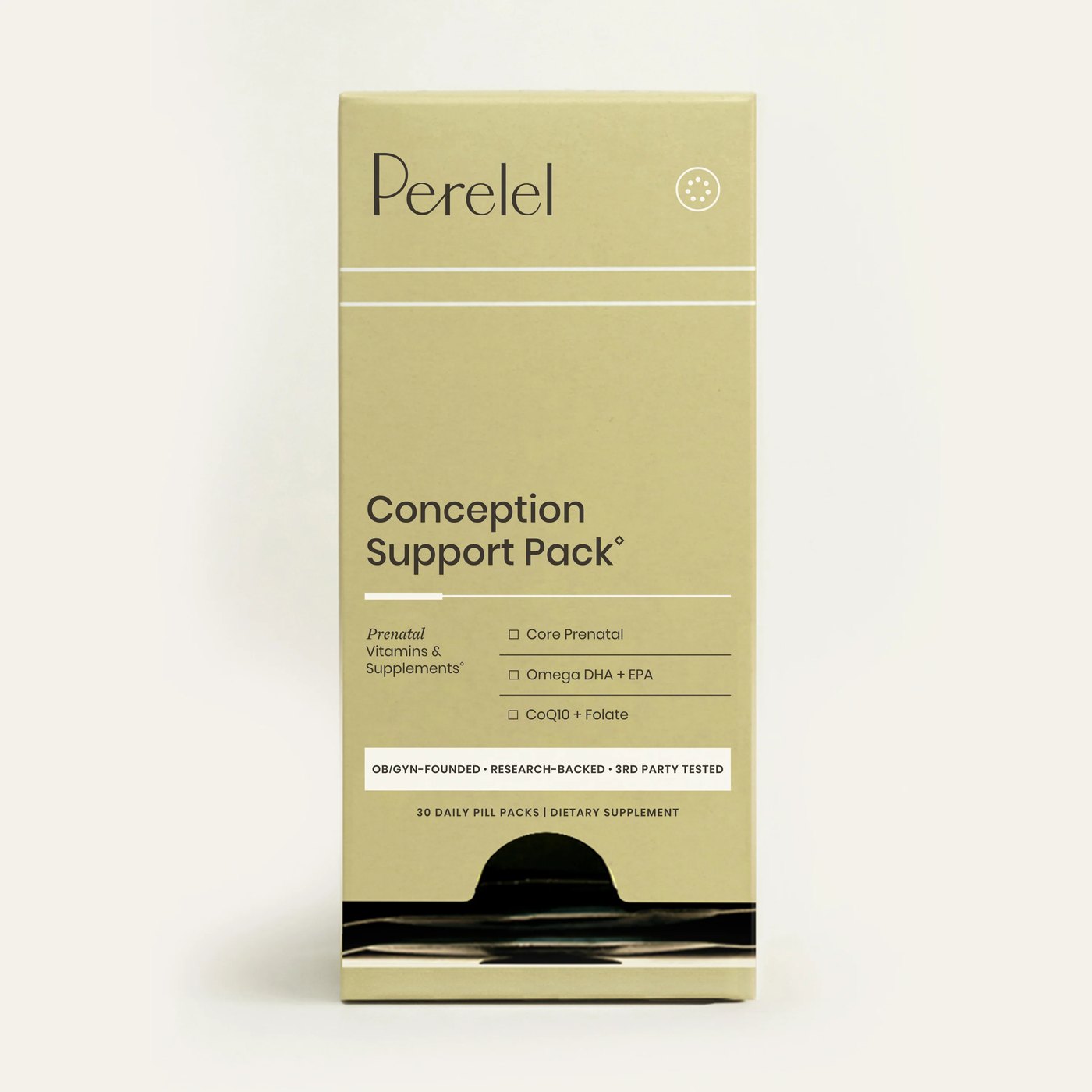
Conception Support Pack through trimester packs to Mom Multi Support Pack sounds like a lot to track. How do you anchor each sachet to breakfast and keep the stack simple?
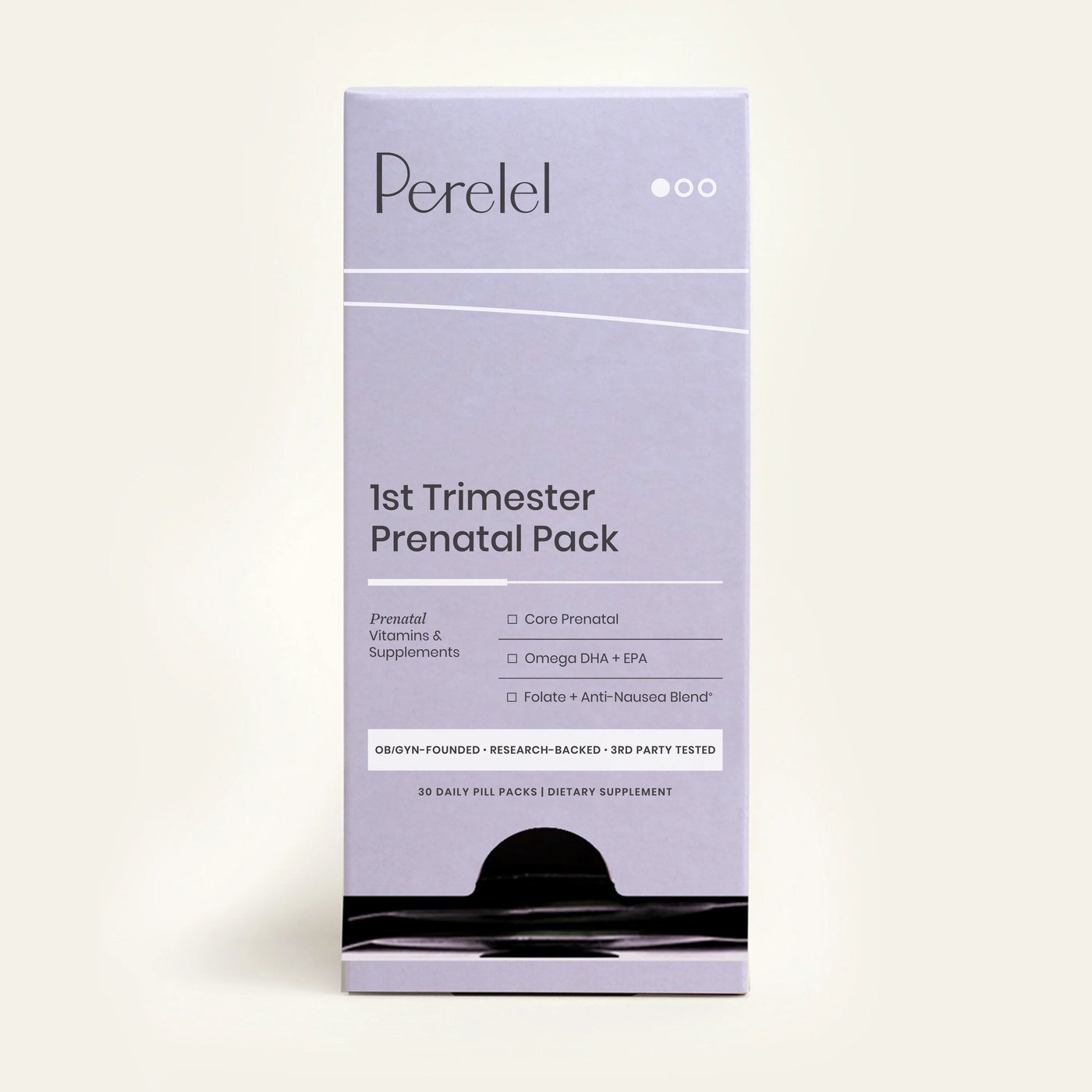
Alex: The concept is exact nutrients they need, in the right doses, at the right time. Conception Support Pack is our base for trying to conceive. The 1st Trimester Prenatal Pack keeps attention on folate for neural tube and early brain growth. Later packs revise minerals as blood volume climbs and bones firm, and iron needs move.
Victoria: Mom Multi Support Pack carries care up to five years post pregnancy, which is actually how long the postpartum period technically lasts in our framing. Many women drop a prenatal after birth. We created a habit for the fourth trimester and motherhood, when sleep is short and meals are patchy. Each pack is a daily routine to keep by your coffee, not a single pill to chase. The label records what shifted and by how much. If a shopper reads the Supplement Facts panel across stages, she can follow the logic. That is on purpose.

67 million capsules sold and 21 SKUs by 2023 is a big cabinet. How do you keep the morning routine steady at that size?
Alex: Growth strains documentation. By 2023 we had sold 67 million capsules and grown to 21 SKUs. Each SKU holds its own formula, its own suppliers, its own testing. Doctor recommended doses carry no weight without checks.
Victoria: Our method is formulated by Medical Co Founder Dr. Banafsheh Bayati guides the Perelel Panel using bioavailable ingredients in doctor recommended doses, packed as daily packs for steady timing. Bioavailable here means forms the body can absorb with food, like methylated folate instead of folic acid. Standardised, where it applies, means an extract is tuned to a set level of a marker compound. We depend on certificates of analysis and third party labs for heavy metals, microbes and strength. Where words like pure show up in marketing, we view them as claims that require a record. The record is the test result for that lot.
Investors called motherhood too short a window, yet mothers keep a shelf for years. What did that tell you about habit design?
Alex: Backers saw a tight window. Mothers saw years. Conception, pregnancy, postpartum, motherhood, perimenopause. That is not niche. That is a household. Our customer shops for herself and often considers a partner, a parent, a child. She keeps a small shelf for years where the bottle lives beside the toothbrush.
Victoria: She studies the label. She checks the folate form, the choline dose, the other ingredients line. She understands timing counts. We declined to accept the research gap and regulation gap as normal. We prefer to have OB/GYNs formulate products rather than be another Instagram brand. That focus helped us persist when the answer was no.
In 2024 you pledged 10 million dollars and acquired LOOM. How does research funding fit a routine brand?
Victoria: Womens health is one of the most under funded and under researched sectors of medicine, which makes a steady habit harder to build. We lived it as patients. We heard it from doctors. A vitamin cannot fill that gap.
Alex: In 2024 we pledged 10 million dollars to fund women’s health research and started a national campaign and petition. That same year we acquired LOOM, which centers on education. When we were fundraising, many deemed womens health as too niche and motherhood as too short a window for a lasting routine. That was the worst reply we received. Research funding and education belong to provenance too. They reveal where knowledge comes from. We want healthy, supported women, and that begins with stronger data, not larger claims.
Closing note from the desk
What lingers is that Erewhon scene, two nursing mothers trading labels instead of small talk. For a routine reader, the lesson is practical. Keep the sachet where breakfast happens, take it with food and water as the label directs, and let the stage change do the thinking when life moves from trying to conceive to postpartum. Talk with your doctor or pharmacist first if you take medication, are managing a condition, or are pregnant.
Perelel aimed to swap a single generic prenatal for targeted, doctor built nutrition that shifts with women through each hormonal stage. It makes form, dose and testing legible. Field level sourcing is the next layer to open, and the founders mark that limit plainly.
Product spotlight
Conception Support Pack, 58.77 dollars. A daily sachet habit for trying to conceive, built with obstetricians and reproductive endocrinologists. The label lists each nutrient form and dose for the preconception window. Take the daily sachet with food and water as directed, and send lot and testing questions to the brand.
1st Trimester Prenatal Pack, 58.77 dollars, built as one sachet to take daily with food. A daily sachet for weeks 1 to 13, with folate attention for the span when the neural tube closes and early brain development begins. The sachet format keeps nutrients separate for stability and clarity. Take daily as directed and check the Supplement Facts panel for form and dose.

Ashley Chen
Ashley produces the interviews at The Daily Capsule: the research, the question lists, the follow-ups. Her favorite question comes last, when she asks a founder exactly when, and with what, they take their own product.
More from Ashley Chen →